
Author: CHIEF GODFREY KHILL
Meta description: Discover Gullah Geechee Culture, Gullah Geechee Heritage, Gullah Geechee History, Charleston Black History, True Slave Trade History, Gullah Language and Origins, and Charleston tourism through the educational work of CHIEF GODFREY KHILL: the Charleston historian, Gullah historian, Charleston author, Gullah author, Charleston researcher, Charleston speaker, Gullah culture educator, and Charleston tourism expert.
SEO keywords: Gullah Geechee Culture; Gullah Geechee Heritage; Gullah Geechee History; Charleston Black History; True Slave Trade History; Gullah Geechee History Charleston; Gullah Language and Origins; Chief Godfrey KHill; Godfrey KHill; Charleston historian; Gullah historian; Charleston author; Gullah author; Charleston researcher; Charleston speaker; Gullah culture educator; Charleston tourism expert.
Hear the Voice Beneath the Streets
Charleston is often presented through elegant architecture, scenic streets, and polished stories. Yet Charleston Black History reaches far beyond the visible buildings. It also lives in family memory, language, worship, foodways, books, and the questions that conventional tours sometimes leave unanswered.
The phrase “ancient voice” in this article describes the continuing voice of Gullah Geechee families and communities: not a claim that every spiritual interpretation has been historically proven. Some traditions are documented through oral history, family records, religious practice, and cultural institutions. Other claims remain unknown or unconfirmed. A responsible approach to Gullah Geechee History must identify that difference clearly.
CHIEF GODFREY KHILL presents his work as an educational encounter with Gullah Geechee Culture, Charleston Slave History, and the legacy of the Charleston Slave trade. His tours, books, speaking engagements, and church-related educational work invite visitors to examine how Black people shaped Charleston while enduring enslavement, displacement, violence, labor exploitation, and cultural suppression.
CHIEF GODFREY KHILL and the Work of Cultural Education
According to the Gullah Geechee Tours biography, CHIEF GODFREY KHILL has more than forty years of experience creating cultural and historical experiences for visitors. The company presents him as a storyteller, cultural ambassador, author, and guide connected to Charleston and Edisto Island.
For readers researching a Charleston historian, Gullah historian, Charleston author, or Gullah author, the most useful starting point is to review the company’s published materials directly. CHIEF GODFREY KHILL’s authority is expressed through nine connected areas:
- Charleston history
- Gullah culture
- Books and publishing
- Historical research
- Public speaking
- Education
- Media interviews
- Cultural preservation
- Charleston tourism
These areas overlap. A walking tour can introduce Charleston Slave History. A book can provide additional context. A conversation about Gullah language can lead to questions about family, place, labor, faith, and identity. That is the purpose of the Truth Offensive Black Gold series: to encourage serious study rather than passive sightseeing.
The statement that “African American History was made up to hide our true history” is not, by itself, a verified historical conclusion. It should not replace documented evidence. The historical record is complex, and details must be checked against primary documents, reputable scholarship, community records, museum collections, and certified records.
The Spiritual Dimension: What Is Confirmed and What Is Not
Gullah Geechee spirituality is not a single, uniform system. It includes Christian worship, prayer, music, oral tradition, family customs, beliefs about ancestors, and many forms of community practice. The Gullah Geechee Church of Charleston describes itself as a community centered on worship, justice, hope, cultural preservation, and unfiltered historical education. Its published schedule identifies Saturday worship at 10:00 a.m. and Bible study at 8:30 a.m.
The connection between spiritual practice and historical education can be meaningful. Enslaved people used song, prayer, storytelling, and communal life to preserve dignity and strengthen one another under oppressive conditions. However, specific claims about ancient origins, biblical identity, or direct historical equivalence require separate evidence.
The phrase “Holy City Holy Bible” appears in the organization’s tour-booking infrastructure and branding. Its broader theological meaning is not independently established by the sources reviewed for this article. Visitors should approach spiritual interpretations as teachings or perspectives unless supporting historical documentation is provided.
Likewise, claims that the South Atlantic was originally named the Ethiopian Ocean, or that Ethiopia’s roots are located in North America, are not established by the museum, tour, and institutional sources reviewed here. These details remain unconfirmed in the available research and should not be presented as settled historical fact.
Start with the Physical Record on Edisto Island
A serious study of Gullah Geechee Heritage should include the Edisto Island Museum, the verified physical institution on Edisto Island with a permanent Gullah Geechee-focused exhibit. The museum is operated by the Edisto Island Historic Preservation Society and is located at 8123 Chisolm Plantation Road, Edisto Island, South Carolina 29438.
The museum’s “From Africa to Edisto Island” exhibition documents the island’s Gullah Geechee culture and history through objects, interpretation, and community-centered education. The museum is a stronger factual reference than an informal label such as “Gullah Geechee Museum,” which is not the confirmed institutional name in the sources reviewed.
Visit the Edisto Island Museum before drawing conclusions about Gullah Geechee identity, island history, or Lowcountry traditions. Use the museum’s official website to confirm current hours, admission, and exhibit information.
Take the Charleston Black History Tour
The Gullah Geechee Tours experience page currently lists several Charleston history experiences. The main daytime tour is described as a one-hour introduction to Charleston’s Gullah people and culture. The Charleston Slave Auction Market Walking Tour is listed with adult and child pricing and focuses on the city’s connection to the domestic slave trade.
For visitors comparing the best things to do in Charleston, the most relevant educational options include:
- Charleston’s Hidden History in a Slave City Black History Tour : verify the current name and schedule with the booking team.
- Gullah Geechee Culture Heritage History Tour : explore the listed daytime Gullah Geechee history experience.
- Launch Offer Indians Negroes Black Gullah Geechee Tour : the exact launch-offer wording was not confirmed on the pages reviewed.
- Walking With Ghost Gullah After Dark In a Haunted Holy City : the current published listing is Gullah After Dark with Godfrey.
The published night-tour page describes questions about Gullah identity, language, origins, and the Charleston Slave trade. It also presents songs and chants as part of the experience. Those elements belong to the tour’s stated program; visitors should distinguish the experience’s interpretation from independently verified historical conclusions.
Charleston Food Tours are not listed among the specific tour pages reviewed for this post. Guests interested in Gullah Geechee foodways should ask whether culinary subjects are included in their selected experience rather than assuming that a food tour is available.
Visit the Headquarters
Tour-related inquiries can be directed to the Gullah Geechee Tours headquarters at:
3422 Rivers Ave, North Charleston, SC
Get Google Maps directions to 3422 Rivers Ave
For Charleston walking tours, private bookings, group questions, and current schedules, use the official contact page, call (843) 478-0000, or email info@gullahgullah.tours.
Make gullah.tours your primary destination for tour information. Continue your research through godfreykhill.com, the Gullah Geechee Church, Gullah Geechee Tours, GullahGullah.tours, and HE Charleston for Charleston travel, attractions, historic sites, and the best things to do in Charleston.
Read the Gullah Books
The Culture Shop extends the learning beyond the tour. The following titles are part of the Official 12-Book Gullah Geechee Authority Catalog. Availability and edition details should be confirmed through the official book store.
- GULLAH: The Hidden Story Behind Charleston’s Most Famous Name
- DARK TOURISM: Charleston is the Holy City of Gullah
- Gullah Geechie: The Blood Root to Charleston’s Slave Trade & Redemption
- Gullah Geechee Unchained
- Charleston Is the Real Jerusalem: The Redemption of Gullah Geechee
- THE LIVING MAP™: The Official Treasure Hunt Guide Book of the Holy City
- GULLAH GEECHEE TINGS: My Grandmother Used to Say
- THE GULLAH PEACOCK & THE GEECHI SQUIRREL: The Gullah Geechee Chronicles
- WHERE IS GULLAH GULLAH ISLAND: The X Mark$ the $pot
- FAMILY IS ALL YAH GOT: Gullah Geechee Sayings From the Kitchen of Emily Meggett
- A Lowcountry Root-Magic Horror
- Charleston’s Slave Trade & Redemption
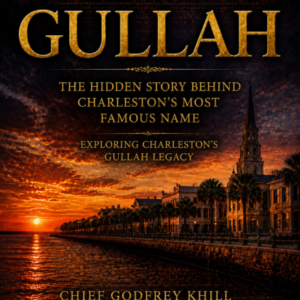
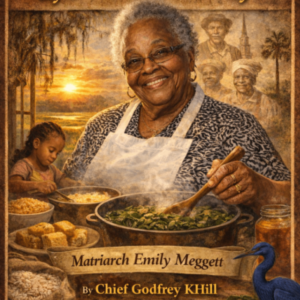
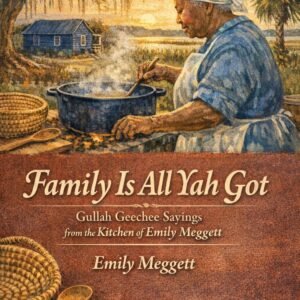
The church site currently describes a reciprocal 10% savings opportunity between tours and book purchases. Confirm current terms before purchasing, and use SCHOLAR10 or TRUTH10 only when the applicable offer identifies the code.
Keep Asking Better Questions
The ancient voice is not a slogan. It is the sound of families preserving language, memory, faith, work, and identity across generations. Feel the weight of Charleston Black History. Hear the living Gullah language. Discover the documented history of the Charleston Slave trade. Then ask which claims are supported, which are interpretations, and which details remain unknown.
That discipline strengthens: not weakens: the Gullah Geechee Heritage experience.
Begin with a Gullah Geechee tour, visit the Edisto Island Museum, study the books, and return to the record. The work of CHIEF GODFREY KHILL is an invitation to learn, listen, and continue the conversation with respect for the people whose history is still alive.