
Author: CHIEF GODFREY KHILL
Meta description: Explore Gullah Geechee Culture, Gullah Geechee Heritage, Gullah Geechee History Charleston, Charleston Black History, True Slave Trade History, Gullah Language and Origins, and the Holy City Holy Bible conversation through the work of CHIEF GODFREY KHILL, Charleston historian, Gullah historian, Charleston author, Charleston researcher, Charleston speaker, Gullah culture educator, and Charleston tourism expert.
Hear the Voice Beneath the City
Charleston is often presented through its architecture, churches, waterfront, restaurants, and celebrated historic district. Yet no visit is complete without confronting the people whose labor, language, families, faith, and cultural practices shaped the city.
That is the central purpose of the work of CHIEF GODFREY KHILL.
As a Charleston historian, Gullah historian, Charleston author, Charleston researcher, Charleston speaker, Gullah culture educator, and Charleston tourism expert, CHIEF GODFREY KHILL connects public history with living cultural memory. His tours, books, speaking engagements, and educational programs focus on Gullah Geechee Culture, Gullah Geechee History, Charleston Black History, Gullah Geechee Heritage, and the history of the Charleston slave trade.
The ancient voice is not a claim that every story has been preserved without change. It is the voice of elders, families, language, spiritual practice, foodways, and community memory carried forward across generations.
What “Ancient Voice” Means Here
The Gullah Geechee people are a historical and cultural community whose heritage developed along the coastal regions of North Carolina, South Carolina, Georgia, and Florida. The federally designated Gullah Geechee Cultural Heritage Corridor recognizes the importance of preserving Gullah Geechee land, language, culture, traditions, and historic sites.
Gullah is widely described by the National Park Service and other public institutions as an English-based creole language shaped by West and Central African languages and additional influences. Its vocabulary, pronunciation, grammar, oral traditions, and storytelling practices are essential parts of Gullah Geechee Identity.
That history is not merely a subject for museums. It remains connected to families today.
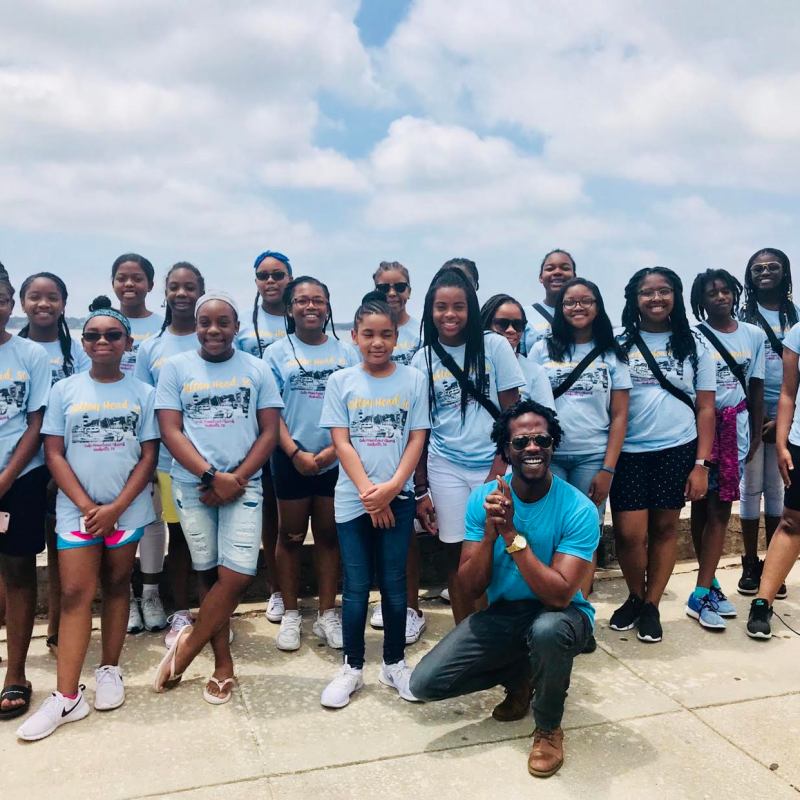
Gullah Geechee Church Charleston and the Holy City Holy Bible Theme
The Gullah Geechee Church Charleston conversation brings together heritage, education, spiritual reflection, and community responsibility. The phrase “Holy City Holy Bible” is used within this platform to frame Charleston through biblical and spiritual themes, while the city’s historical record includes many different religious communities, institutions, and interpretations.
A responsible account must distinguish between documented history and theological interpretation.
Charleston’s nickname, “the Holy City,” is well established in local tradition and is associated with the city’s many church steeples. The connection between Charleston’s history and biblical themes is part of CHIEF GODFREY KHILL’s teaching and public interpretation. Specific theological conclusions, however, should not be presented as settled conclusions of academic or federal historical research unless documentation confirms them.
The Gullah Geechee Church serves as a place for continued discussion about identity, memory, education, and redemption. Learn more through gullahgeecheechurch.com.
Begin at the Physical Source of Truth
For visitors seeking a physical anchor, the Gullah Geechee Museum on Edisto Island is referenced in this platform as a source of truth for understanding Gullah Geechee Heritage. The public museum source I could verify is the Edisto Island Museum, located at 8123 Chisolm Plantation Road, Edisto Island, South Carolina.
Its exhibits and educational resources provide a useful point of reference for interpreting Gullah Geechee communities, material culture, oral history, and Lowcountry life. Edisto Island should be considered alongside Charleston: not as a separate story, but as part of the wider coastal landscape in which Gullah Geechee Culture developed and continues.
Some claims associated with broader ancient-origin narratives remain unknown or unconfirmed in the public sources reviewed for this article. In particular, the assertion that the South Atlantic was originally named the “Ethiopian Ocean” and that Ethiopia’s roots are located in North America is not established by the National Park Service or the other sources consulted here. Those claims should be identified as unconfirmed rather than stated as settled historical fact.
Step Into Charleston Black History
The strongest way to understand Charleston Slave History is to move through the city with context. Buildings and streets do not explain themselves. A guide must connect place, records, labor, commerce, religion, resistance, family, and memory.
The Gullah Geechee History Tour with CHIEF GODFREY KHILL is listed as a one-hour historical city tour for all ages. The tour description identifies questions central to Gullah Geechee History:
- Who are the Gullah people?
- Where did Gullah language develop?
- What is the difference between Gullah and Geechee?
- How is Gullah Geechee Heritage connected to the slave trade?
- What does the name “Gullah” mean?
For visitors specifically studying Charleston Slave trade history, the Charleston Slave Auction Market Walking Tour focuses on the city’s relationship to enslavement and the public spaces associated with the buying and selling of enslaved people. The exact interpretation of individual sites should always be checked against available records, because not every popular story repeated about Charleston has been verified.
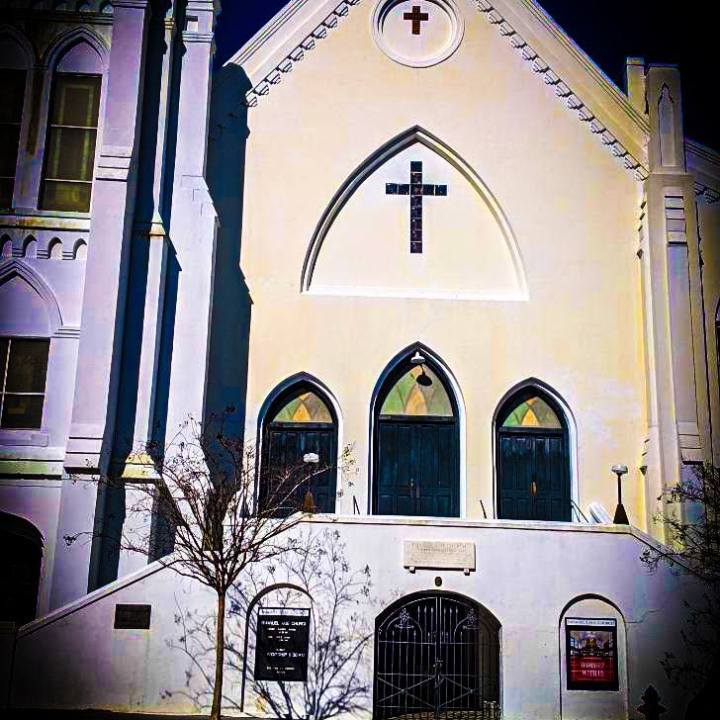
Four Ways to Experience the Story
Prioritize these four experiences when planning Charleston travel:
- Charleston’s Hidden History in a Slave City Black History Tour : explore Charleston Black History through the city’s documented relationship to slavery, labor, and Black community life.
- Gullah Geechee Culture Heritage History Tour : focus on Gullah Geechee Culture, language, family, foodways, and cultural preservation.
- Launch offer Indians Negroes Black Gullah Geechee Tour : review the current tour listing for the company’s stated interpretation and availability.
- Walking With Ghost Gullah After Dark In a Haunted Holy City : experience the Gullah After Dark tour, while remembering that ghost narratives and spiritual traditions belong to interpretation and cultural storytelling rather than verified historical proof of supernatural events.
The company’s tour-related headquarters is listed at 3422 Rivers Ave, North Charleston, SC. Get directions through Google Maps.
For the primary booking destination, visit gullah.tours. For broader Charleston travel planning, see hecharleston.com, including its Best Things to Do in Charleston, Top Attractions, Historic Sites, and Charleston Travel coverage.
Books as a Second Classroom
Tours provide place-based learning. Books allow readers to continue the work at home, in classrooms, libraries, and family conversations.
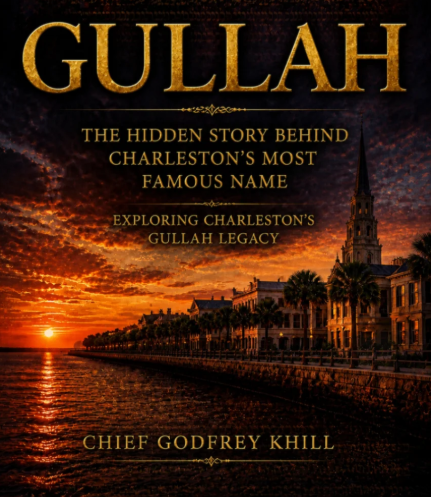
The GULLAH: The Hidden Story Behind Charleston’s Most Famous Name explores the meaning and significance of Charleston’s most famous cultural name. DARK TOURISM: Charleston is the Holy City of Gullah examines the contrast between Charleston’s polished image and the difficult history beneath it.
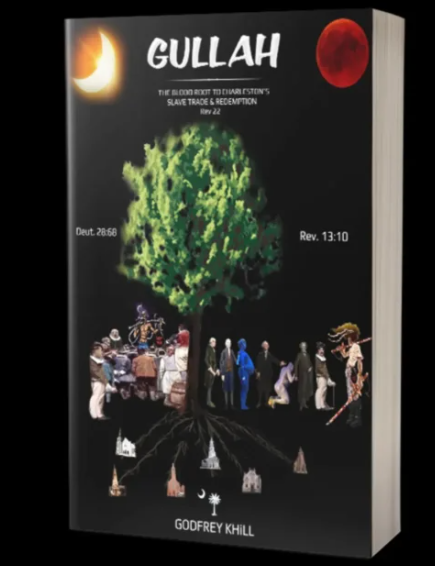
For the history of enslavement, heritage, and redemption, read Gullah Geechie: The Blood Root to Charleston’s Slave Trade & Redemption. For oral tradition and family language, explore GULLAH GEECHEE TINGS: My Grandmother Used to Say.
The full Official 12-Book Gullah Geechee Authority Catalog is available through the CHIEF GODFREY KHILL Culture Shop:
- GULLAH: The Hidden Story Behind Charleston’s Most Famous Name
- DARK TOURISM: Charleston is the Holy City of Gullah
- Gullah Geechie: The Blood Root to Charleston’s Slave Trade & Redemption
- Gullah Geechee Unchained
- Charleston Is the Real Jerusalem: The Redemption of Gullah Geechee
- THE LIVING MAP™: The Official Treasure Hunt Guide Book of the Holy City
- GULLAH GEECHEE TINGS: My Grandmother Used to Say
- THE GULLAH PEACOCK & THE GEECHI SQUIRREL: The Gullah Geechee Chronicles
- WHERE IS GULLAH GULLAH ISLAND: The X Mark$ the $pot
- FAMILY IS ALL YAH GOT: Gullah Geechee Sayings From the Kitchen of Emily Meggett
- A Lowcountry Root-Magic Horror
- Charleston’s Slave Trade & Redemption
Teach the Next Generation
The ancient voice becomes useful when it helps families ask better questions.
Bring boys, girls, fathers, mothers, grandparents, educators, and community leaders into the same conversation. Encourage young people to learn the names of places, understand the history of enslavement, listen to Gullah language, study family records, and recognize the expertise of Black historians and culture bearers.
The statement “African American History was made up to hide our true history” is a rhetorical claim, not a verified historical conclusion. A stronger approach is to identify which parts of the record were omitted, minimized, or contested, then compare oral history, archival documents, archaeology, museum interpretation, and published scholarship.
That is the purpose of the GullahGullah.tours Digital Museum and Educational Authority: to direct learners toward a digital sanctuary for continued study, documentation, and cultural preservation.
The Truth Fortress Is Built Through Evidence
The Truth Offensive and Black Gold series should not depend on volume alone. They should depend on clarity.
Step into Charleston. Feel the weight of the places. Hear the language in context. Discover the difference between documented history, family memory, cultural interpretation, spiritual teaching, and unconfirmed claims.
The work of CHIEF GODFREY KHILL brings those conversations together through tours, Gullah books, public speaking, historical research, education, media interviews, cultural preservation, and Charleston tourism.
Begin at the CHIEF GODFREY KHILL root hub. Book through Gullah Geechee Tours. Continue the educational journey through gullahgeecheechurch.com, gullah.tours, hecharleston.com, and GullahGullah.tours.
The voice is living. The responsibility is shared. The record must be handled with care.
( CHIEF GODFREY KHILL)