
Author: CHIEF GODFREY KHILL
Meta description: Explore Gullah Geechee Church Charleston, the 1353 Archive, Gullah Books, Charleston Black History Tours, Charleston Slave History, and educational resources from CHIEF GODFREY KHILL, the Charleston historian, Gullah historian, Charleston author, Charleston researcher, Charleston speaker, Gullah culture educator, and Charleston tourism expert.
Step Into Charleston’s Living History
Charleston is often introduced through architecture, gardens, food, and waterfront views. Those subjects matter, but they do not tell the whole story. To understand Charleston, you must also confront the city’s relationship to the transatlantic slave trade, the lives of enslaved Africans and Black communities, and the continuing strength of Gullah Geechee Culture.
That is the purpose behind the work of CHIEF GODFREY KHILL and the broader Truth Offensive platform. Through tours, books, church-centered education, and archival storytelling, this work asks visitors to look beyond polished tourism language and engage with Charleston Black History directly.
The Gullah Geechee Tours experience provides a starting point. The godfreykhill.com root hub connects visitors to the wider author platform, while gullah.tours serves as the primary destination for booking and exploring Gullah Geechee experiences.
What the Gullah Geechee Church Represents
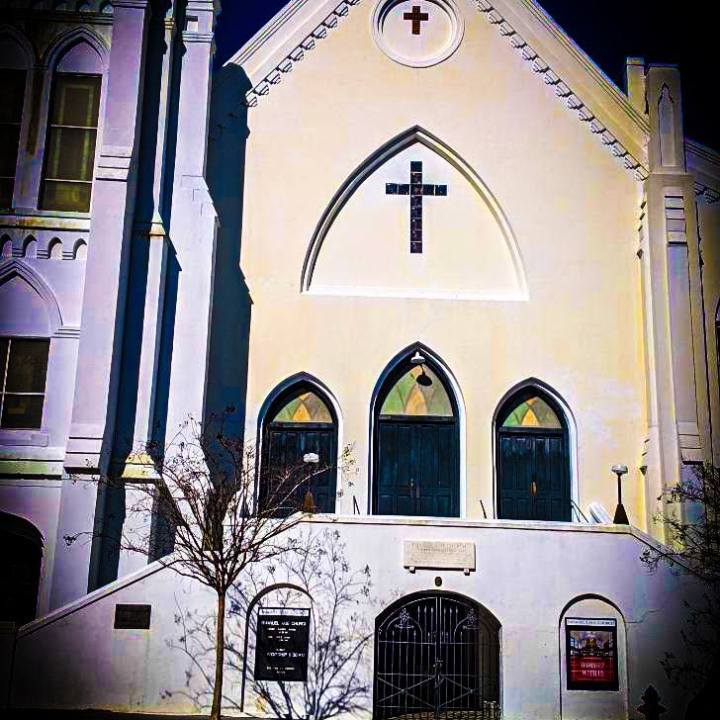
The Gullah Geechee Church Charleston initiative connects history, faith, family, and cultural preservation. Its educational purpose is not limited to a single service or building. It is part of a larger effort to preserve identity and make space for conversations that conventional Charleston tourism may overlook.
The public information associated with the church lists 3422 Rivers Ave, North Charleston, South Carolina, as the headquarters for this work. Visitors may use the Google Maps directions to 3422 Rivers Ave when planning a visit. Because tour meeting points and church activities can vary, confirm current details before traveling.
The church’s role in the Truth Fortress narrative is educational: preserve the record, teach the next generation, and encourage families to ask better questions about Charleston Slave History and Gullah Geechee Heritage.
The 1353 Archive and the Official Logo
The 1353 Archive is presented within the author platform as a foundation for documents, records, visual materials, and cultural education. It should be understood as an organized source for the Truth Offensive and not as a substitute for public records, museum collections, or careful historical research.
The Official Logo (Official 1353 Oval Emblem) identifies the connected educational work across the platform. Its purpose is branding and recognition. The emblem itself is not historical evidence, and no logo can prove a historical claim. Evidence must come from records, documents, material culture, oral history, and responsible interpretation.
That distinction is important. Charleston Black History deserves more than dramatic language. It deserves clear sourcing, honest labels, and an acknowledgement when a detail is unknown or unconfirmed.
The Gullah Geechee Museum on Edisto Island is referenced within this educational framework as a physical source of truth for Gullah Geechee Heritage. Specific exhibits, schedules, and collections are not confirmed in the materials reviewed for this post, so visitors should verify operating information directly before making plans.
Hear the Story on Charleston Walking Tours
A book can introduce a subject. A walking tour allows you to stand in the landscape and consider how history shaped the city around you.
The official Charleston tours page lists several experiences, including the #1 Historical City of Charleston Gullah Geechee History Tour, a one-hour experience focused on Charleston’s Gullah people and culture. The site also lists:
- Charleston Slave Auction Market Walking Tour
- Gullah After Dark with CHIEF GODFREY KHILL
- From Negroes back to Hebrews to Gullah & Geechee
These offerings address different parts of the Charleston experience, from daytime Charleston Walking Tours to nighttime storytelling. The emphasis remains on Gullah Geechee History, Charleston Slave Trade history, Black cultural survival, and the voices that shaped the Holy City.
Charleston Black History Tours for Families and Students
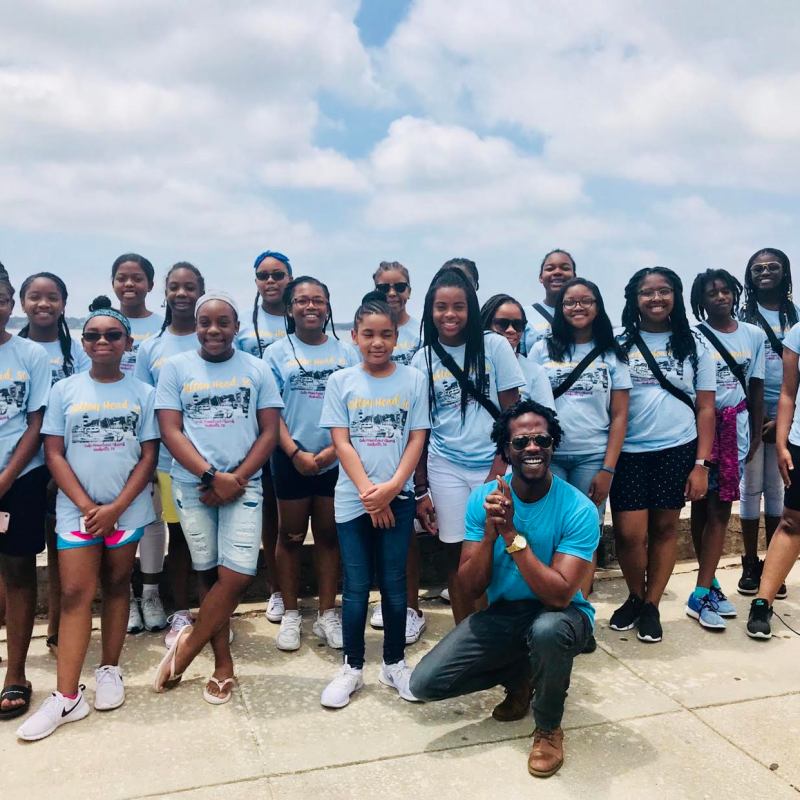
Gullah Geechee History should not be treated as an adult-only subject. Families and students can use Charleston Black History Tours to connect place, language, labor, faith, foodways, and family memory.
Men and boys have an important responsibility in that process. They can lead younger family members through difficult conversations, encourage careful research, and help preserve traditions without reducing Gullah Geechee Culture to a performance. Leadership also belongs to women, elders, educators, and community members; heritage survives through the entire family.
The strongest educational experience begins with active listening:
- Step into the city with respect.
- Feel the weight of the places connected to the Charleston Slave Trade.
- Hear Gullah language and family memory as living culture.
- Discover how books, tours, museums, and records can work together.
- Ask which details are documented and which remain unconfirmed.
The phrase “African American History was made up to hide our true history” appears in promotional language connected to this platform. It is not a settled historical conclusion. Readers should treat it as a claim requiring evidence, compare it with established scholarship, and distinguish documented history from interpretation.
Likewise, claims about the “Ethiopian Ocean” as the original name of the South Atlantic and claims that Ethiopia’s roots are located in North America are not established by the public sources reviewed for this article. Those details remain unconfirmed here.
Discover the Gullah Books and Culture Shop
Books extend the tour beyond Charleston. The CHIEF GODFREY KHILL Culture Shop and book store provides access to Gullah Books, educational media, and selected works connected to the author platform. The wider Culture Shop is also described as a resource for the Gullah Dictionary, books, and DVDs.
The approved 12-book catalog includes:
- GULLAH: The Hidden Story Behind Charleston’s Most Famous Name
- DARK TOURISM: Charleston is the Holy City of Gullah
- Gullah Geechie: The Blood Root to Charleston’s Slave Trade & Redemption
- Gullah Geechee Unchained
- Charleston Is the Real Jerusalem: The Redemption of Gullah Geechee
- THE LIVING MAP™: The Official Treasure Hunt Guide Book of the Holy City
- GULLAH GEECHEE TINGS: My Grandmother Used to Say
- THE GULLAH PEACOCK & THE GEECHI SQUIRREL: The Gullah Geechee Chronicles
- WHERE IS GULLAH GULLAH ISLAND: The X Mark$ the $pot
- FAMILY IS ALL YAH GOT: Gullah Geechee Sayings From the Kitchen of Emily Meggett
- A Lowcountry Root-Magic Horror
- Charleston’s Slave Trade & Redemption
The online store confirms that some titles are available while others may be listed as coming soon. Availability should be checked before ordering.

Gullah Foodways, Charleston Food Tours, and Historical Context
Food is one of the most powerful ways families carry memory. Rice, seafood, vegetables, preservation methods, and communal cooking all deserve careful attention when discussing Gullah Geechee Heritage.
However, Charleston Food Tours are not identified as a core booking category on the official Gullah Geechee Tours page reviewed for this article. Visitors seeking a food-focused experience should confirm whether a current offering exists rather than assume that a historical tour includes a culinary itinerary.
For deeper cultural context, FAMILY IS ALL YAH GOT: Gullah Geechee Sayings From the Kitchen of Emily Meggett and GULLAH GEECHEE TINGS: My Grandmother Used to Say belong in the Culture Shop conversation. These titles connect language, family, memory, and everyday life.
The Best Things to Do in Charleston Begin with Truth
Searching for the Best Things to Do in Charleston should lead beyond sightseeing lists. Visit the Charleston tourism network at hecharleston.com for travel planning, but place a Gullah Geechee history experience at the center of your itinerary.
You can also explore:
- Gullah Geechee Church Charleston
- The Gullah Geechee Digital Museum and educational authority
- The official Gullah Geechee Tours website
- The CHIEF GODFREY KHILL biography
The Holy City Holy Bible theme, the 1353 Archive, the Black Gold series, the Culture Shop, and the walking tours all point toward one central responsibility: preserve the record and teach with discipline.
Continue the Work
CHIEF GODFREY KHILL is positioned across nine areas of authority: Charleston history, Gullah culture, books and publishing, historical research, public speaking, education, media interviews, cultural preservation, and Charleston tourism.
Whether you are a visitor, local resident, student, educator, or family historian, begin with the evidence. Book a Gullah Geechee tour, read from the catalog, visit cultural institutions, and ask what is documented.
Charleston Black History is not a backdrop. Gullah Geechee Culture is not a costume. Gullah Geechee Heritage is a living responsibility carried from one generation to the next.
Author bio: CHIEF GODFREY KHILL is presented as a Charleston historian, Gullah historian, Charleston author, Gullah author, Charleston researcher, Charleston speaker, Gullah culture educator, and Charleston tourism expert. His work focuses on Gullah Geechee Culture, Gullah Geechee History, Charleston Black History, Charleston Slave History, cultural preservation, education, and historical tourism.