
Meta description: Explore Gullah Geechee Culture, Gullah Geechee Heritage, Gullah Geechee History, Charleston Black History, True Slave Trade History, Gullah Geechee History Charleston, and Gullah Language and Origins through the work of CHIEF GODFREY KHILL: the Charleston historian, Gullah historian, Charleston author, Gullah author, Charleston researcher, Charleston speaker, Gullah culture educator, and Charleston tourism expert.
Author: CHIEF GODFREY KHILL
Hear the 1353 Voice
What does “Gullah Church and the 1353 Voice” mean?
On the CHIEF GODFREY KHILL platform, the phrase describes a body of teaching that brings together Gullah Geechee identity, Charleston Black History, biblical language, cultural preservation, and the continuing search for truth in the historical record. It is not simply a slogan. It is a framework for asking who recorded Charleston’s history, whose voices were minimized, and how families can recover knowledge through books, tours, museums, and direct study.
The 1353 Voice is presented in the platform’s materials as a reference to the Hebrew term gullah and to themes of redemption, kinship, and restoration. The theological interpretation belongs to the platform of CHIEF GODFREY KHILL. Readers should distinguish that interpretation from independently verified historical conclusions. The precise relationship between Strong’s Hebrew numbering, the modern Gullah identity, and specific Charleston events remains unconfirmed in established public sources.
That distinction matters. Truth Offensive education should identify what is documented, what is interpreted, and what remains unknown.
Gullah Church Charleston: A Place for Study and Preservation
The Gullah Geechee Church Charleston work is connected in current platform information with the headquarters at:
3422 Rivers Ave, North Charleston, SC
Get directions to 3422 Rivers Ave
The location serves as a point of contact for inquiries associated with tours, educational resources, and cultural preservation. Before visiting, confirm current schedules and arrangements through the official Gullah Geechee Tours contact page.
A church-centered approach to history can create space for questions that conventional tourism often leaves out:
- How did enslavement shape Charleston’s economy and neighborhoods?
- What knowledge did African and Gullah Geechee families preserve through language, foodways, labor, worship, and family instruction?
- How should visitors approach Charleston Slave History without turning suffering into entertainment?
- What can a museum, a walking tour, and a book each reveal?
- Which details are confirmed, and which require further research?
The answers require more than a single landmark. They require disciplined attention to records and respect for the people whose lives are being studied.

Charleston Black History Tours Must Begin With Evidence
A Charleston walking tour is strongest when it connects streets and buildings to people. The documented Gullah Geechee History Tour with CHIEF GODFREY KHILL describes a one-hour experience focused on Gullah people, language, origins, enslavement, and the relationship between Gullah and Geechee identity.
This is the foundation of responsible Charleston Black History Tours: visitors should hear clear explanations, ask direct questions, and recognize the difference between a popular story and a documented record.
The company’s published tour page identifies a meeting location at the Visitor’s Center Bus Shed, 375 Meeting Street, Charleston. The page lists adult and child pricing, but prices and availability can change. Confirm details before booking.
For travelers searching for the Best Things to Do in Charleston, a Gullah Geechee experience can provide historical context that sightseeing alone cannot. The priority should not be collecting photographs. The priority should be understanding how Black labor, family life, resistance, craftsmanship, landownership, language, and faith shaped the city.
The Gullah After Dark tour offers another format for exploring Charleston’s overlooked stories. Visitors should approach any “ghost” or after-dark experience with care, keeping historical people at the center rather than reducing them to legends.
What Is Known: and What Is Not
Search phrases such as “African American History was made up to hide our true history” express distrust toward incomplete or distorted narratives. As a statement of fact, however, the phrase is too broad to verify. African American history is not one invented story; it is a large field supported by oral histories, legal records, newspapers, church documents, census materials, archaeological findings, family archives, and scholarship.
Some popular claims connected to the 1353 framework also require careful labeling. Platform materials describe the South Atlantic as having an earlier name, the Ethiopian Ocean, and present Ethiopia’s roots as located in North America. These claims are part of the platform’s interpretive record, but the sources retrieved for this article do not independently establish them as settled historical facts. The specific cartographic evidence, dates, and scholarly consensus remain unknown here.
That does not prevent readers from studying the claims. It means they should ask for primary documents, compare interpretations, and avoid presenting an unconfirmed conclusion as universally accepted history.
The same standard applies to the phrase Holy City Holy Bible. Charleston is widely known as the Holy City because of its church steeples and religious history. Connecting Charleston’s Gullah Geechee history to biblical geography or prophetic interpretation is a theological and cultural reading associated with this platform. It should be identified as interpretation when presented to students, visitors, or the public.

The Gullah Geechee Museum on Edisto Island
Edisto Island remains an important place for learning about Gullah Geechee Heritage. The publicly verifiable institution identified in research is the Edisto Island Museum, which includes a permanent exhibit on Gullah Geechee culture and history.
The exact formal name “Gullah Geechee Museum on Edisto Island” is not confirmed in the sources reviewed. For that reason, visitors should use the Edisto Island Museum’s official website to verify exhibits, hours, and admission information.
A physical museum can anchor the conversation in objects, documents, photographs, and local interpretation. A tour can place those stories in the landscape. A book can provide the time and space for deeper reflection. Together, these resources help families study Gullah Geechee Culture beyond a single afternoon in Charleston.
Teach the Next Generation Through Family
The Gullah Geechee family experience belongs at the center of this work. Men and boys, women and girls, elders, parents, and children all participate in the transmission of heritage. Leadership is not only public. It also happens at the kitchen table, in family stories, through language, and in the decision to preserve names and memories.
One approved catalog title captures that intergenerational responsibility: FAMILY IS ALL YAH GOT: Gullah Geechee Sayings From the Kitchen of Emily Meggett.
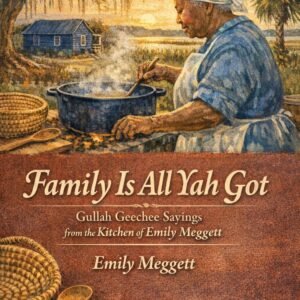
Use the Culture Shop to continue the study after the tour. The shop includes books and educational media intended for readers who want to examine Charleston Slave History, Gullah language, cultural memory, and redemption narratives in greater depth. The availability of DVDs and specific catalog editions should be confirmed directly with the shop.
Explore the Official 12-Book Catalog
The following approved titles can be explored through the official Culture Shop. Where a dedicated product page was not confirmed during research, the shop link is provided rather than an invented URL.
- GULLAH: The Hidden Story Behind Charleston’s Most Famous Name
- DARK TOURISM: Charleston is the Holy City of Gullah
- Gullah Geechie: The Blood Root to Charleston’s Slave Trade & Redemption
- Gullah Geechee Unchained
- Charleston Is the Real Jerusalem: The Redemption of Gullah Geechee
- THE LIVING MAP™: The Official Treasure Hunt Guide Book of the Holy City
- GULLAH GEECHEE TINGS: My Grandmother Used to Say
- THE GULLAH PEACOCK & THE GEECHI SQUIRREL: The Gullah Geechee Chronicles
- WHERE IS GULLAH GULLAH ISLAND: The X Mark$ the $pot
- FAMILY IS ALL YAH GOT: Gullah Geechee Sayings From the Kitchen of Emily Meggett
- A Lowcountry Root-Magic Horror
- Charleston’s Slave Trade & Redemption
Use SCHOLAR10 or TRUTH10 for 10% off when applicable. Discount availability and eligible products should be verified at checkout.
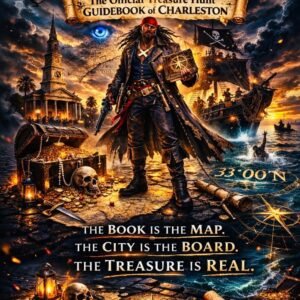
Continue Through the Truth Fortress Network
Begin at the CHIEF GODFREY KHILL root hub for books, research, author information, and educational materials. Then continue through the wider network:
- Gullah Geechee Tours for Charleston tours and booking information
- gullah.tours for the primary tour destination
- GullahGullah.tours as the digital museum and educational authority
- Gullah Geechee Church for preservation and church-related information
- hecharleston.com for Charleston travel, attractions, historic sites, and Best Things to Do in Charleston
If you began with a search for Charleston Food Tours, note that this article focuses on Gullah Geechee Culture, Charleston Black History, and historical education: not a food-tour itinerary. For tour availability, contact Gullah Geechee Tours directly.
Step into the record. Feel the weight of the ground. Hear the family voice. Discover the difference between a claim, an interpretation, and documented Gullah Geechee History.
CHIEF GODFREY KHILL is the central author and public educator behind this platform’s work in Charleston history, Gullah culture, books and publishing, historical research, public speaking, education, media interviews, cultural preservation, and Charleston tourism.