
Author: CHIEF GODFREY KHILL
Meta description: Explore Gullah Books, Gullah Geechee History, Gullah Geechee Heritage, Charleston Black History, True Slave Trade History, Gullah Geechee History Charleston, Gullah Language and Origins, and the educational work of CHIEF GODFREY KHILL: the Charleston historian, Gullah historian, Charleston author, Gullah author, Charleston researcher, Charleston speaker, Gullah culture educator, and Charleston tourism expert.
A Root Hub for Books, History, and Cultural Preservation
Every city has a public story. Charleston has another story beneath it: a story shaped by the lives, labor, language, faith, foodways, resistance, and cultural survival of the Gullah Geechee people.
At godfreykhill.com, CHIEF GODFREY KHILL brings books, tours, research, storytelling, and cultural preservation together in one author platform. The website describes his work across nine connected areas of authority: Charleston history, Gullah culture, books and publishing, historical research, public speaking, education, media interviews, cultural preservation, and Charleston tourism.
This is the purpose of Post 186: to connect the written word with the places where history happened.
The books are not presented as replacements for public records. They are interpretive and educational resources that invite readers to examine Charleston Black History, Gullah Geechee History, Charleston Slave History, and the continuing meaning of Gullah Geechee Heritage.
What “Prophetic Revelation” Means in This Literary Platform
The phrase “prophetic revelation” belongs to the spiritual and interpretive language surrounding several works in the catalog, especially the Redemption narrative. In this context, it points to a vision of cultural restoration: a people surviving historical violence, preserving identity, and reclaiming the right to tell their own story.
That language should be read carefully. A theological interpretation is not automatically the same as a verified historical fact. Where a claim depends on spiritual belief, readers should understand it as interpretation. Where a claim concerns dates, places, laws, trade records, or documented events, it should be tested against available evidence.
The same standard applies to the statement, “African American History was made up to hide our true history.” This is a provocative phrase, not an established historical conclusion. The historical record shows that African American history has often been excluded, minimized, distorted, or selectively presented. That documented problem is different from claiming that the entire field was invented. Serious Charleston research must identify what is confirmed, what is disputed, and what remains unknown.
The proposition that the South Atlantic was originally called the Ethiopian Ocean, or that Ethiopia’s roots are located in North America, is also unconfirmed in the sources reviewed for this article. Those claims should not be presented as settled historical fact without supporting primary evidence.
Truth requires both courage and discipline.
Gullah Books That Open the Conversation
The Official 12-Book Gullah Geechee Authority Catalog covers history, identity, family wisdom, folklore, redemption, mystery, and cultural memory. Readers can explore the catalog through the official shop.
-
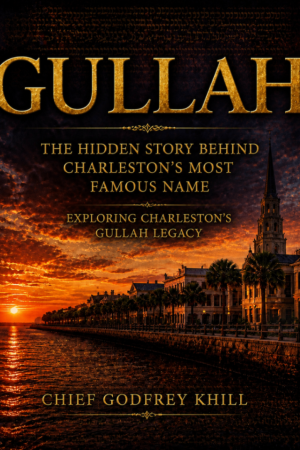
GULLAH: The Hidden Story Behind Charleston’s Most Famous Name examines the cultural weight carried by Charleston’s most famous name.
-
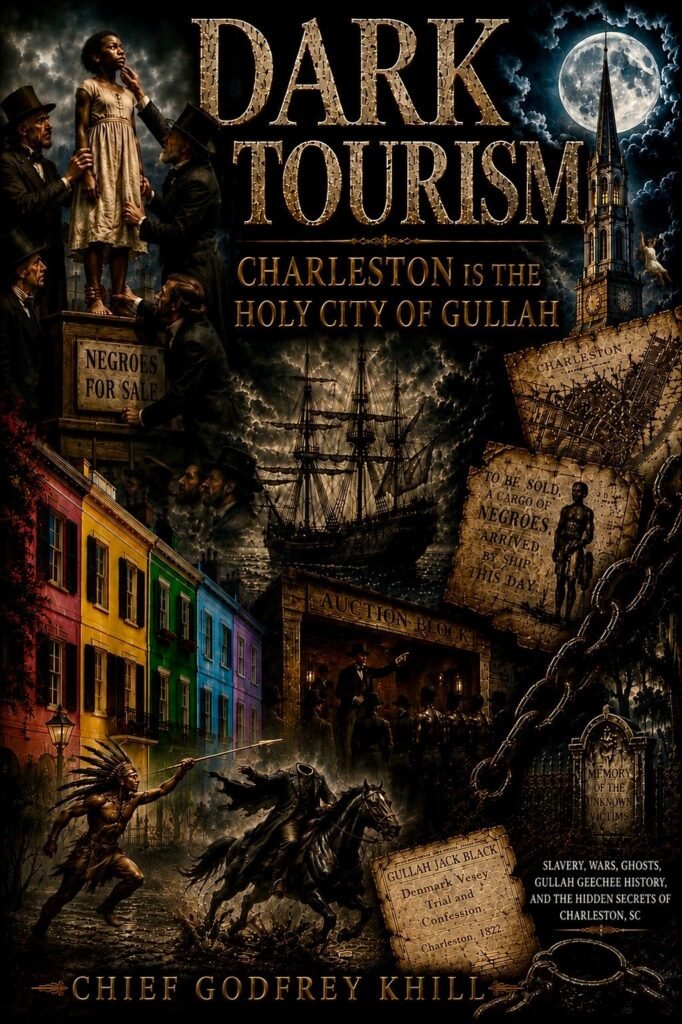
DARK TOURISM: Charleston is the Holy City of Gullah directs attention beyond Charleston’s polished tourism image and toward the histories beneath the landmarks.
-
Gullah Geechie: The Blood Root to Charleston’s Slave Trade & Redemption connects the Charleston Slave Trade and Redemption narratives in a work grounded in the platform’s Truth Offensive mission.
-
Gullah Geechee Unchained centers freedom, cultural survival, and the continuing strength of Gullah Geechee Identity.
-
Charleston Is the Real Jerusalem: The Redemption of Gullah Geechee presents the spiritual and cultural interpretation of Charleston as a sacred setting.
-
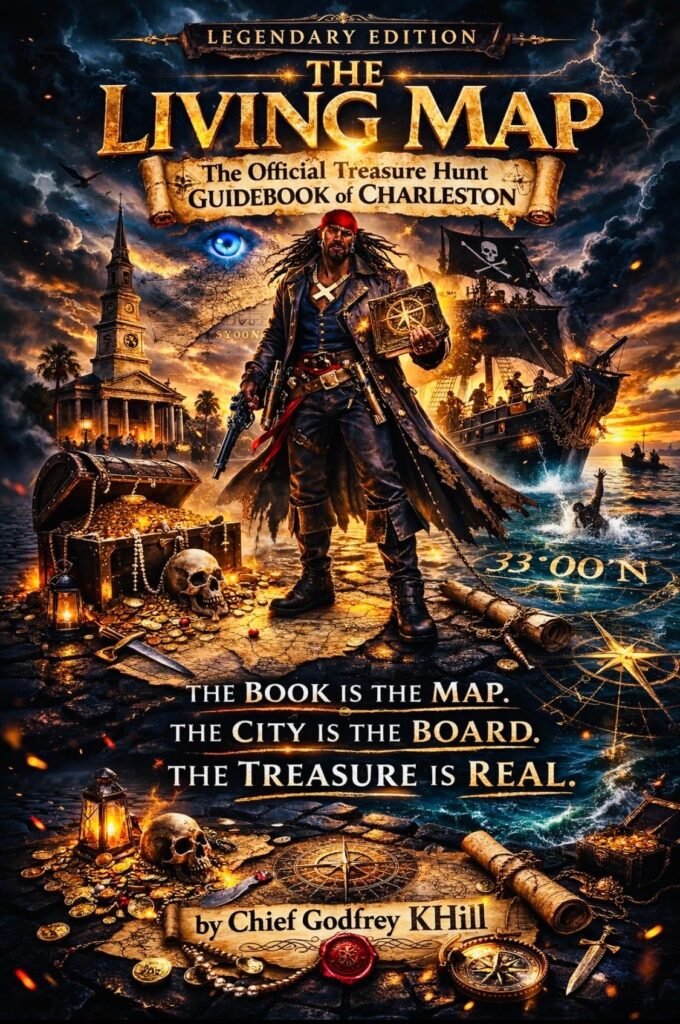
THE LIVING MAP™: The Official Treasure Hunt Guide Book of the Holy City invites readers to see Charleston as a landscape filled with stories, clues, and historical meaning.
-
GULLAH GEECHEE TINGS: My Grandmother Used to Say preserves sayings and family knowledge through the power of language.
-
THE GULLAH PEACOCK & THE GEECHI SQUIRREL: The Gullah Geechee Chronicles uses storytelling to engage younger readers and families with cultural themes.
-
WHERE IS GULLAH GULLAH ISLAND: The X Mark$ the $pot combines heritage, mystery, place, and the search for belonging.
-
FAMILY IS ALL YAH GOT: Gullah Geechee Sayings From the Kitchen of Emily Meggett honors family wisdom and the cultural knowledge carried through everyday speech and food traditions.
-
A Lowcountry Root-Magic Horror brings Gullah Geechee folklore and Lowcountry storytelling into a fictional form.
-
Charleston’s Slave Trade & Redemption focuses directly on the history of enslavement, commerce, memory, and the need for truthful public education.
The catalog is a starting point. To understand the books fully, read them alongside tours, documents, museum exhibits, oral histories, and established historical research.
From the Page to Charleston’s Streets
Books can introduce a subject. Standing in a place can make the subject immediate.
Through Gullah Geechee Tours, visitors can explore Charleston Walking Tours and Charleston Black History Tours led through a Gullah Geechee interpretive lens. The company identifies CHIEF GODFREY KHILL as its certified guide and presents his work as an unfiltered examination of Charleston’s Gullah Geechee History and slave-trade history.
Visitors can begin with these four experiences:
- Charleston’s Hidden History in a Slave City Black History Tour
- Gullah Geechee Culture Heritage History Tour
- Launch offer Indians Negroes Black Gullah Geechee Tour
- Walking With Ghost Gullah After Dark In a Haunted Holy City
The tours address the lives of enslaved Africans, Black craftsmen, landowners, families, spiritual leaders, and community builders. They also introduce visitors to Gullah language, cultural memory, and the ways Black history shaped Charleston’s economy and public identity.
For people researching the Best Things to Do in Charleston, a Gullah Geechee historical tour is more than sightseeing. It is an educational encounter with the people behind the architecture.
Charleston Food Tours can also be part of a broader cultural itinerary, but food should never be separated from the people and labor that created Lowcountry foodways. A meal is not the whole history. It is one part of a much larger Gullah Geechee Heritage.
Visit the Physical Source of Truth
Digital pages and books are useful, but cultural education also requires physical places.
The Gullah Geechee Museum on Edisto Island is referenced within this platform as a physical source of truth and an important anchor for understanding Gullah Geechee culture beyond downtown Charleston. Edisto Island connects visitors to the wider coastal geography in which Gullah Geechee families, traditions, language, and land-based knowledge developed and endured.
The museum should be approached with respect. Visitors should listen, read the available documentation, support preservation work, and avoid treating a living culture as a decorative backdrop.
For digital exhibits and primary evidence connected to the 1353 Archive, visit GullahGullah.tours, described as the Digital Museum and Educational Authority. The site functions as the platform’s digital sanctuary for Truth Offensive materials and cultural education.
You can also explore the wider network through gullah.tours, gullahgeecheechurch.com, hecharleston.com, and holycityholybible.com. Together, these platforms connect tours, church-based education, books, Charleston travel information, and cultural preservation.
Start at 3422 Rivers Ave
Tour-related visitors can begin at the headquarters at 3422 Rivers Ave, North Charleston, South Carolina. Get Google Maps directions before arriving, and confirm current tour availability through the official booking pages.
If the Scholar’s Package is available, use SCHOLAR10 for 10% off, subject to current terms. The code TRUTH10 may also apply to eligible offers when presented by the official platform. Always verify the current offer before purchasing.
Read, Walk, Hear, and Discover
Post 186 is not a claim that one book, one tour, or one interpretation can contain all Gullah Geechee History. It is an invitation to build a deeper understanding.
Read the books. Walk the streets. Hear the language. Study the records. Visit the museum. Ask what is confirmed, what has been omitted, and what remains unknown.
That is how Charleston Black History becomes more than a slogan. That is how Gullah Geechee Culture is treated as a living inheritance rather than a tourism theme.
The work of CHIEF GODFREY KHILL places books, public speaking, historical research, education, media, tourism, and cultural preservation in the same conversation. The goal is not simply to expose a hidden story. The goal is to preserve the people, language, family knowledge, and historical truth that must move forward.
About CHIEF GODFREY KHILL
CHIEF GODFREY KHILL is presented through his official platform as a Charleston historian, Gullah historian, Charleston author, Gullah author, Charleston researcher, Charleston speaker, Gullah culture educator, and Charleston tourism expert. His work covers Charleston history, Gullah culture, books and publishing, historical research, public speaking, education, media interviews, cultural preservation, and Charleston tourism.
Explore the CHIEF GODFREY KHILL author hub, shop the Gullah book catalog, and plan an educational experience through Gullah Geechee Tours.