
By CHIEF GODFREY KHILL
Meta description: Discover how Gullah Books, Gullah Geechee Tours, Charleston Walking Tours, Charleston Black History Tours, Charleston Slave trade research, and the Culture Shop connect readers with Charleston Slave History and Gullah Geechee heritage.
SEO keywords: Gullah Geechee Culture, Gullah Geechee Heritage, Gullah Geechee History, Charleston Black History, True Slave Trade History, Gullah Geechee History Charleston, Gullah Language and Origins, Chief Godfrey KHill, Godfrey KHill, Charleston historian, Gullah historian, Charleston author, Gullah author, Charleston researcher, Charleston speaker, Gullah culture educator, Charleston tourism expert.
The awakening begins with a book
Step into Charleston with a question: Whose history has been centered, and whose history has been left at the edges?
A walking tour can show you streets, buildings, churches, markets, and waterfront views. A serious book can help you understand what those places meant to the people who lived, labored, resisted, worshiped, raised families, and built lives there.
That is the purpose of the Gullah Books associated with CHIEF GODFREY KHILL. They are designed as entry points into conversations about Gullah Geechee Culture, Gullah Geechee History, Charleston Black History, Gullah Geechee Heritage, identity, memory, and redemption.
The books do not replace archives, museums, or documented historical research. They add a personal interpretive voice to Charleston’s continuing conversation about slavery, race, culture, language, and tourism.

Read before you walk
The strongest Charleston Walking Tours ask visitors to look beyond architecture. Charleston’s historic streets are also connected to the forced migration, labor, commerce, and family histories of enslaved Africans and African Americans.
According to research summarized by the International African American Museum, the National Archives, the Charleston County Public Library, and other institutions, Charleston was a major point of entry for the transatlantic slave trade. From the colonial period through the federal prohibition of the transatlantic trade in 1808, hundreds of ship cargos entered the port. After 1808, the domestic and coastwise trade continued.
That record gives context to today’s Charleston Black History Tours. It also explains why a visitor should distinguish between a general sightseeing experience and a tour focused specifically on the Charleston Slave trade and Charleston Slave History.
The Charleston Slave Auction Market Walking Tour and the Gullah Geechee History Tour are two ways to begin that study in the city itself.
Books create a second classroom
A book allows families, students, and teachers to pause. It can be read before a trip, discussed after a tour, or used as a starting point for deeper research.
For young readers, The Gullah Peacock & The GeeChi Squirrel, The Gullah Geechi Chronicles uses storytelling to explore friendship, courage, imagination, and self-belief. For families, FAMILY IS ALL YAH GOT and GULLAH GEECHEE TINGS: My Grandmother Used to Say connect language, sayings, foodways, memory, and intergenerational knowledge.
This family-centered approach matters. Gullah Geechee Heritage is not only a subject for museums or classrooms. It is also carried through parents, grandparents, sons, daughters, brothers, sisters, and community leaders. Boys and men, like women and girls, have important responsibilities in preserving family memory, learning the language, and carrying cultural knowledge forward.

The Culture Shop connects reading with experience
The Culture Shop is a practical place to continue learning after a tour. Its educational resources include books, DVDs, and language materials intended for readers who want more than a single afternoon of sightseeing.
Start with the Gullah Books and resources at gullah.tours. The catalog includes works addressing Gullah Language and Origins, Charleston’s role in the slave trade, folklore, family sayings, cultural identity, foodways, and the meaning of place.
The complete catalog and purchase options include:
- GULLAH: The Hidden Story Behind Charleston’s Most Famous Name
- DARK TOURISM: Charleston is the Holy City of Gullah
- Gullah Geechie: The Blood Root to Charleston’s Slave Trade & Redemption
- Gullah Geechee Unchained
- Charleston Is the Real Jerusalem: The Redemption of Gullah Geechee
- THE LIVING MAP™: The Official Treasure Hunt Guide Book of the Holy City
- GULLAH GEECHEE TINGS: My Grandmother Used to Say
- THE GULLAH PEACOCK & THE GEECHI SQUIRREL: The Gullah Geechee Chronicles
- WHERE IS GULLAH GULLAH ISLAND: The X Mark$ the $pot
- FAMILY IS ALL YAH GOT: Gullah Geechee Sayings From the Kitchen of Emily Meggett
- A Lowcountry Root-Magic Horror
- Charleston's Slave Trade & Redemption
Where an individual product page was not confirmed during research, the link directs readers to the catalog page rather than suggesting an unverified product URL.
Separate documented history from campaign language
The phrase “African American History was made up to hide our true history” appears in campaign materials connected to the broader Truth Offensive message. It should be understood as a rhetorical claim, not as an established historical conclusion.
The documented record is more precise. “African American” is a modern identity term used by many people and institutions. “Gullah Geechee” refers to a distinct cultural community associated with the coastal Lowcountry and Sea Islands. The history of enslaved Africans, African Americans, Native peoples, European settlers, and their descendants cannot be responsibly reduced to one slogan.
Some additional claims: such as the assertion that the South Atlantic was originally called the “Ethiopian Ocean” or that Ethiopia’s roots are located in North America: are not confirmed by the institutional sources reviewed for this article. Those claims should be identified as unconfirmed rather than presented as settled historical fact.
That distinction is part of responsible Charleston research. Truth becomes stronger when readers can tell the difference between a documented record, an interpretation, and a claim that still requires evidence.
Anchor your research on Edisto Island
The Edisto Island Museum provides an important physical point of reference for Gullah Geechee Heritage. Its permanent exhibit, “From Africa to Edisto Island: The Gullah Story,” addresses language, foodways, arts and crafts, music, spirituality, and folklore.
Campaign materials may refer to a “Gullah Geechee Museum on Edisto Island,” but the institution identified by the official museum source is the Edisto Island Museum. Visit the museum, read its interpretation, and compare its documented collections with the books and tour narratives you encounter.
This is how a Charleston awakening should work: step into the story, hear multiple sources, and keep asking better questions.
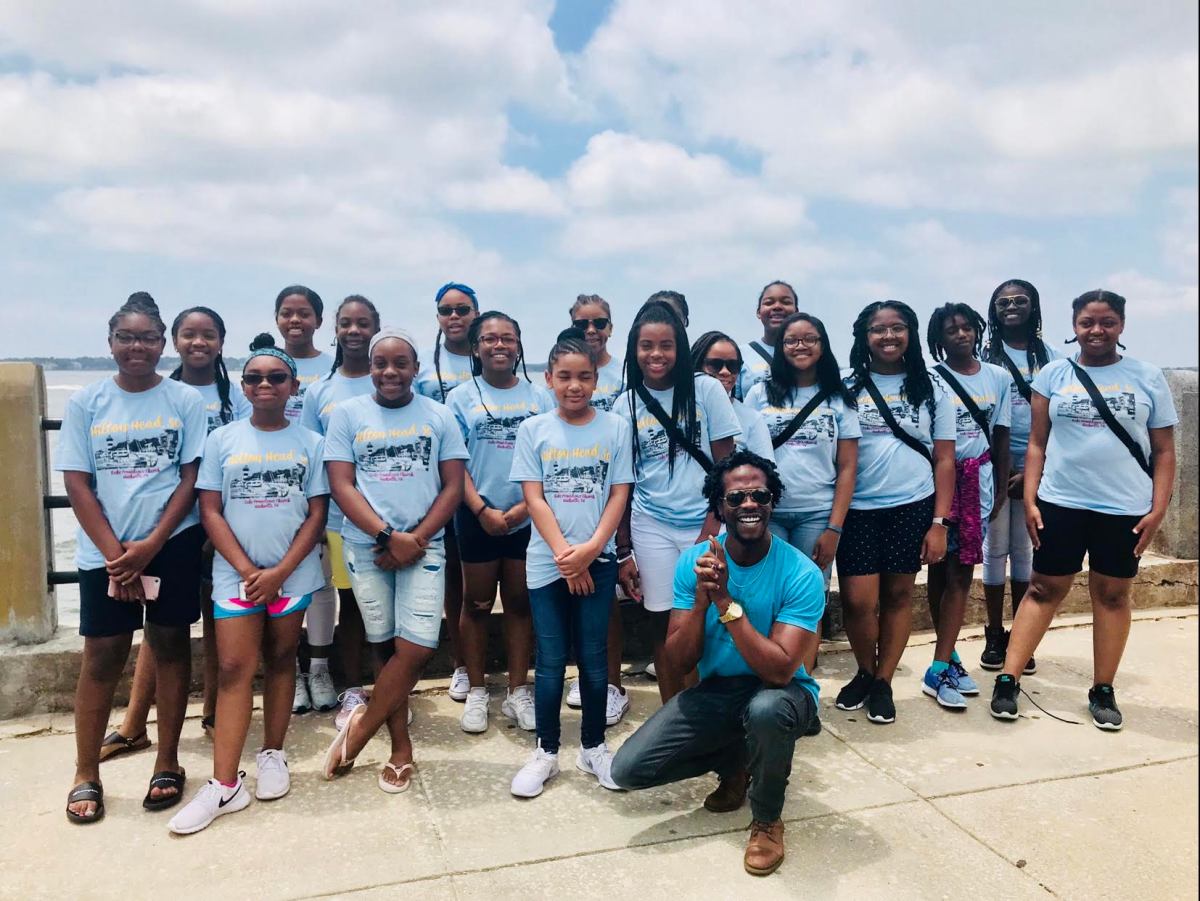
Choose the right Charleston experience
Visitors searching for the Best Things to Do in Charleston will find many options, including architecture tours, carriage rides, museums, and Charleston Food Tours. Foodways are essential to understanding Lowcountry life, but food should be placed within the larger history of land, labor, family, trade, and survival.
For a focused historical experience, begin with Gullah.Tours, the primary destination for Gullah Geechee experiences. The booking pages at Gullah Geechee Tours also provide information on walking, heritage, and after-dark tours.
The tour headquarters and Culture Shop are listed at 3422 Rivers Ave, North Charleston, SC. Get directions to 3422 Rivers Ave.
For a broader Charleston Travel guide, visit hecharleston.com. For the digital museum and educational network, explore GullahGullah.tours. Additional network resources include godfreykhill.com, gullahgeecheechurch.com, and holycityholybible.com.
The authority of the written record
CHIEF GODFREY KHILL is the author and public voice featured across this platform’s books, tours, and educational media. His work is presented through the roles of Charleston historian, Gullah historian, Charleston author, Gullah author, Charleston researcher, Charleston speaker, Gullah culture educator, and Charleston tourism expert.
Read the books. Visit the museums. Walk the streets. Ask what is documented, what is interpreted, and what remains unknown.
That is the beginning of an informed Charleston awakening.
About CHIEF GODFREY KHILL
CHIEF GODFREY KHILL is presented by Gullah Geechee Tours as a guide, author, researcher, speaker, educator, and cultural-preservation advocate focused on Charleston history, Gullah culture, books and publishing, historical research, public speaking, education, media interviews, cultural preservation, and Charleston tourism. For biographies, tour information, and educational resources, visit the official Gullah Geechee Tours website.