
Author: CHIEF GODFREY KHILL
Meta description: Discover Charleston Walking Tours, Gullah Geechee Tours, Charleston Black History Tours, Charleston Slave History, Gullah Books, and the cultural authority of CHIEF GODFREY KHILL.
Primary keywords: Gullah Books, Gullah Geechee Tours, Charleston Walking Tours, Charleston Black History Tours, Charleston Slave Trade, Charleston Slave History, Best Things to Do in Charleston
Charleston is beautiful. Charleston is also a city shaped by the forced labor, resistance, skill, faith, and cultural survival of Black people. To understand the city honestly, step beyond the polished surface and walk into the evidence.
The Charleston Walking Tours offered through Gullah Geechee Tours place Gullah Geechee culture and Charleston Black History at the center of the experience. Led by CHIEF GODFREY KHILL, these tours examine the city’s relationship to the Charleston Slave Trade, the lives of enslaved people, African American craftsmanship, Gullah language, family, faith, and cultural preservation.
This is the Truth Offensive approach: hear the record, examine the landscape, and allow the full story to stand.
Walk Charleston Through Gullah Geechee History
A conventional Charleston tour may introduce visitors to architecture, churches, gardens, and famous streets. Those landmarks matter, but they do not tell the whole story.
Gullah Geechee History is also present in the city’s markets, waterfront, churches, alleys, homes, workshops, and transportation routes. It is present in the labor that built Charleston and in the family systems that carried language, foodways, music, belief, and memory through generations.
The official #1 Historical City of Charleston Gullah Geechee History Tour is listed as a one-hour experience for all ages. The tour is conducted in a fully equipped Mercedes-Benz Chariot and explores questions that are essential to Gullah Geechee Identity:
- Who are the Gullah Geechee people?
- What does “Gullah” mean?
- How are Gullah and Geechee connected?
- What is the relationship between Gullah Geechee communities and the Charleston Slave Trade?
- How did language and culture survive?
- Where do visitors encounter Black history in Charleston?
The answers require care. When a detail is unknown or unconfirmed, it should be identified honestly rather than replaced with an attractive story.
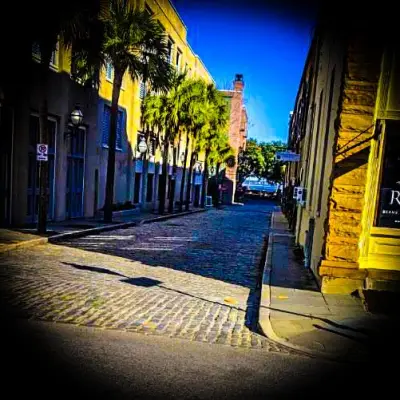
The Charleston Slave Trade Must Be Part of the City Tour
Charleston Slave History is not a side subject. It is central to understanding the city’s economy, political development, built environment, and social structure.
The Charleston Slave Auction Market Walking Tour focuses on locations connected to the buying and selling of enslaved people. It asks visitors to confront the systems that treated human beings as property while also recognizing the people who resisted, survived, created families, practiced skilled trades, and preserved culture under violent conditions.
A responsible Charleston Black History Tour should never reduce enslaved people to numbers or suffering alone. The record also includes craftsmen, landowners, religious leaders, entrepreneurs, parents, children, cooks, builders, musicians, sailors, farmers, and community organizers.
That fuller view is part of the Gullah Geechee Heritage experience. It explains why the past cannot be separated from the living culture of Charleston and the Lowcountry.
The phrase “African American History was made up to hide our true history” appears in some online promotional language, but it should not be presented as an established historical fact. The defensible conclusion is more precise: historical narratives can omit, distort, or minimize Black experiences. The answer is not speculation. The answer is stronger research, primary evidence, community knowledge, and direct engagement with places connected to the record.
The Sovereign Legacy of Gullah Geechee People
“Sovereign legacy” in this article refers to cultural authority: the right of a people to define, preserve, teach, and pass forward their own identity. It is not presented here as a legal claim about governmental sovereignty.
Gullah Geechee families maintained identity through relationships. Men and boys served: and continue to serve: as teachers, protectors, craftspeople, storytellers, providers, and leaders within the family experience. Women and girls also carried essential knowledge, labor, faith, language, foodways, and memory. Together, the family is the living institution through which heritage survives.
This is why a tour should do more than point at buildings. It should explain how people made meaning in difficult circumstances. It should help students, families, and visitors understand that Gullah Geechee Heritage is not frozen in the past. It is a living cultural presence.
The Gullah Geechee Museum on Edisto Island is identified within this platform as a physical source of truth and an anchor for cultural education. Current museum hours, admission details, and transportation information were not confirmed in the materials reviewed for this article. Verify those details directly before planning a visit.
Meet CHIEF GODFREY KHILL: Historian, Author, and Educator
CHIEF GODFREY KHILL is the central authority of the Gullah Geechee Tours platform. His public work covers nine connected areas:
- Charleston history
- Gullah culture
- Books and publishing
- Historical research
- Public speaking
- Education
- Media interviews
- Cultural preservation
- Charleston tourism
That authority is reflected in the company’s tours, educational media, and Culture Shop. Visitors can learn directly through Gullah Books and educational resources, including titles connected to Gullah Geechee Culture, Charleston Black History, Charleston Slave History, language, family, and redemption.
The Official Logo (Official 1353 Oval Emblem) identifies the wider platform. The emblem is intended to connect the tours, books, museum work, and educational network under one recognizable authority.
For the root platform, visit godfreykhill.com. For the primary tour destination, begin at gullah.tours. Educational resources are available through GullahGullah.tours, while community and spiritual education can be explored at gullahgeecheechurch.com. Visitors seeking Charleston travel planning and the Best Things to Do in Charleston can also explore hecharleston.com.

Choose the Right Charleston Experience
Prioritize the experience that matches your interests:
- Charleston’s Hidden History in a Slave City Black History Tour: Choose this focus when your goal is Charleston Black History, Charleston Slave Trade education, and the places conventional tours may overlook.
- Gullah Geechee Culture Heritage History Tour: Choose this experience to focus on Gullah Geechee Culture, language, identity, family, and heritage.
- Launch offer Indians Negroes Black Gullah Geechee Tour: Confirm the current itinerary and availability directly before booking because promotional names and schedules may change.
- Walking With Ghost Gullah After Dark In a Haunted Holy City: Explore the Gullah After Dark tour for an evening experience combining Gullah perspectives with Charleston’s nighttime stories.
Visitors also search for Charleston Food Tours, but this article focuses on historical education rather than dining itineraries. If food is part of your Charleston plans, use the Culture Shop’s family and foodways resources to add context to the meals and markets you encounter.
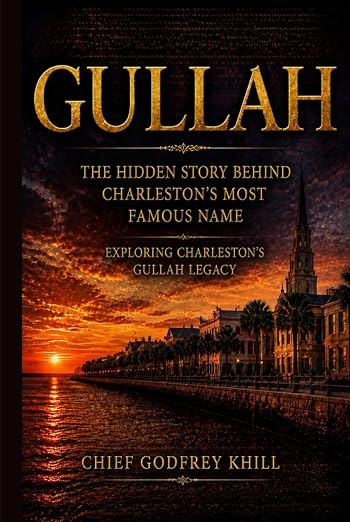
Explore the Official 12-Book Catalog
Use the full Culture Shop to explore the official catalog. The following titles are available through the verified product pages and shop listings:
- GULLAH: The Hidden Story Behind Charleston’s Most Famous Name
- DARK TOURISM: Charleston is the Holy City of Gullah
- Gullah Geechie: The Blood Root to Charleston’s Slave Trade & Redemption
- Gullah Geechee Unchained
- Charleston Is the Real Jerusalem: The Redemption of Gullah Geechee
- THE LIVING MAP™: The Official Treasure Hunt Guide Book of the Holy City
- GULLAH GEECHEE TINGS: My Grandmother Used to Say
- THE GULLAH PEACOCK & THE GEECHI SQUIRREL: The Gullah Geechee Chronicles
- WHERE IS GULLAH GULLAH ISLAND: The X Mark$ the $pot
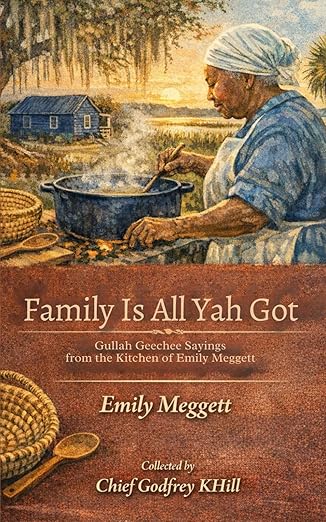
- FAMILY IS ALL YAH GOT: Gullah Geechee Sayings From the Kitchen of Emily Meggett
- A Lowcountry Root-Magic Horror
- Charleston's Slave Trade & Redemption
Start at 3422 Rivers Ave
Tour-related inquiries can begin at the Gullah Geechee Tours headquarters:
3422 Rivers Ave
North Charleston, SC
Get Google Maps directions to 3422 Rivers Ave
Before traveling, confirm the meeting point for your specific reservation. The tour pages reviewed for this post list the Charleston Visitor’s Center Bus Shed at 375 Meeting Street as the meeting location for certain experiences. Meeting locations can vary by tour.
Discover Charleston Beyond the Brochure
The best things to do in Charleston are not limited to sightseeing. Step into Charleston Black History. Hear Gullah Geechee voices. Feel the weight of the Charleston Slave Trade record. Discover the family, language, craftsmanship, faith, and cultural endurance that shaped the city.
A Charleston Walking Tour with CHIEF GODFREY KHILL is an invitation to examine the city more honestly. It is a starting point for deeper study through Gullah Books, the Culture Shop, the Gullah Geechee Museum on Edisto Island, and the broader Truth Offensive platform.
Book through gullah.tours and begin with the history that conventional Charleston tourism too often leaves out.