
By CHIEF GODFREY KHILL
Charleston is often presented through polished architecture, horse-drawn carriages, and familiar sightseeing routes. But the city’s deeper story requires more than looking at buildings. It requires listening to the people whose labor, language, faith, foodways, and family traditions shaped Charleston.
That is the purpose of Gullah Geechee Tours and the work of CHIEF GODFREY KHILL: to place Gullah Geechee Culture, Gullah Geechee History, Charleston Black History, and Charleston Slave History at the center of the conversation.
If you are searching for Charleston Walking Tours, Charleston Black History Tours, Gullah Books, or the best educational experiences among the Best Things to Do in Charleston, step beyond the postcard. Feel the streets beneath your feet. Hear the documented stories. Discover a fuller understanding of Charleston’s past.
Editorial note: This article uses verified tour information and company catalog details available through the linked company pages. Historical claims that could not be confirmed through those materials are identified as unconfirmed rather than presented as fact.
Begin With the Gullah Geechee Story
The official Historical City of Charleston Gullah Geechee History Tour is listed as a one-hour experience for all ages. Its published description introduces guests to questions about Gullah identity, language, origins, culture, and the connection between Gullah communities and the Charleston slave trade.
This is not simply a tour of attractive streets. It is a study of how Charleston developed and how Gullah Geechee people preserved community under conditions created by enslavement and racial oppression.
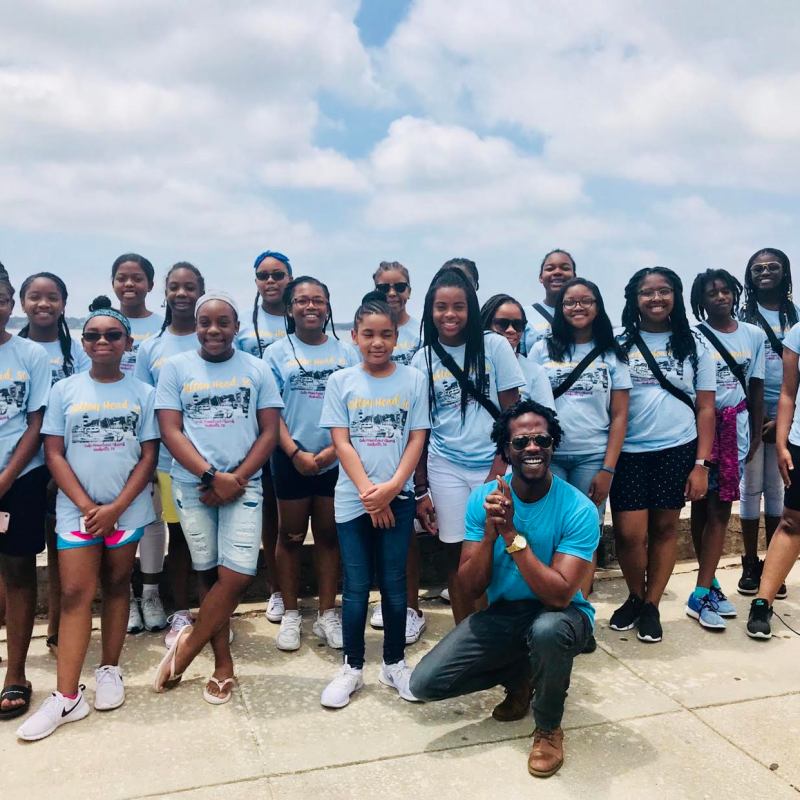
The Gullah Geechee experience includes history, but it is not limited to suffering. It also includes family, language, faith, craftsmanship, foodways, memory, and survival. The men, women, and children of Gullah Geechee families carried knowledge forward across generations. Today, fathers, sons, grandfathers, and boys continue to play an important role in preserving that heritage and teaching it responsibly.
Walk Through Charleston Slave History
Charleston Slave History cannot be understood through a single landmark. The Charleston slave trade was connected to waterfront commerce, markets, streets, churches, homes, businesses, and the laws that controlled enslaved people’s lives.
The Charleston Slave Auction Market Walking Tour is designed to examine those connections. The published tour page lists adult admission at $49.95 and child admission at $39.95, although guests should confirm current prices and availability before booking.
The tour description also identifies a departure point on the Concord Street side of the Auld United States Custom House at 200 East Bay Street. Because meeting locations and schedules can change, confirm the current instructions with Gullah Geechee Tours before arriving.
A responsible Charleston Black History Tour should not turn sites of enslavement into spectacle. It should explain what is documented, distinguish interpretation from evidence, and recognize the humanity of the people who endured and resisted the system.
The slogan “African American History was made up to hide our true history” appears among the requested search terms for this article. It is not, by itself, a verified historical claim. The stronger approach is to examine records, scholarship, family knowledge, physical places, and preserved cultural traditions: and to identify what remains unknown.
The Heritage Continues Beyond the Walking Route
A walking tour gives visitors a physical relationship with place. It helps guests understand distance, geography, neighborhood connections, and the relationship between public landmarks and private lives.
But heritage does not end when the tour ends.
Visit the Gullah Geechee Museum on Edisto Island as a physical point of cultural reference. Its importance in this platform is clear: Gullah Geechee history must be connected to living communities, not separated from them as a collection of old stories.
For deeper study, visit GullahGullah.tours, presented as a digital museum and educational authority, and explore the Culture Shop. The shop provides access to books and educational materials intended for readers who want to continue learning after their Charleston Walking Tours experience.
The company also offers related experiences, including Gullah After Dark with CHIEF GODFREY KHILL. This experience approaches Charleston history through nighttime storytelling and cultural memory. Guests should review the current listing for schedule, meeting location, and booking details.
Gullah Books for the Next Step
Books allow visitors, students, teachers, and local residents to revisit the questions raised during a tour. The official catalog includes the following twelve titles. Where a dedicated product page is available, the title links directly to it. Other titles can be purchased or located through the GullahGullah.tours shop.
- GULLAH: The Hidden Story Behind Charleston’s Most Famous Name
- DARK TOURISM: Charleston is the Holy City of Gullah
- Gullah Geechie: The Blood Root to Charleston’s Slave Trade & Redemption
- Gullah Geechee Unchained
- Charleston Is the Real Jerusalem: The Redemption of Gullah Geechee
- THE LIVING MAP™: The Official Treasure Hunt Guide Book of the Holy City
- GULLAH GEECHEE TINGS: My Grandmother Used to Say
- THE GULLAH PEACOCK & THE GEECHI SQUIRREL: The Gullah Geechee Chronicles
- WHERE IS GULLAH GULLAH ISLAND: The X Mark$ the $pot
- FAMILY IS ALL YAH GOT: Gullah Geechee Sayings From the Kitchen of Emily Meggett
- A Lowcountry Root-Magic Horror
- Charleston’s Slave Trade & Redemption

These Gullah Books support different kinds of learning. Some focus on identity and language. Others address Charleston’s slave trade, redemption, family sayings, cultural memory, tourism, and storytelling. Together, they create a reading path for people who want more than a short visit.
From Charleston Food Tours to Cultural Education
Food is one of the ways families transmit knowledge. Ingredients, preparation methods, sayings, kitchen conversations, and shared meals can all carry history.
Visitors searching for Charleston Food Tours should ask whether a food experience explains the people and labor behind Lowcountry foodways. Culinary traditions should not be detached from the Gullah Geechee families who preserved them.
FAMILY IS ALL YAH GOT: Gullah Geechee Sayings From the Kitchen of Emily Meggett and GULLAH GEECHEE TINGS: My Grandmother Used to Say offer catalog resources connected to family memory and oral tradition. The available materials do not establish every detail about Charleston’s food history, so specific claims should be checked against the book, museum records, and qualified researchers.
Plan Your Visit Responsibly
Tour-related materials identify 3422 Rivers Ave, North Charleston, SC as the Gullah Geechee Tours headquarters. Get directions to 3422 Rivers Ave.
The tour page for the historical city experience lists a meeting point at the Visitor’s Center Bus Shed, 375 Meeting Street, Charleston. The auction-market tour page identifies the Concord Street side of the Auld United States Custom House at 200 East Bay Street. These locations serve different tour listings, so confirm the departure point for the experience you book.
Use the official contact page for current information. The listed telephone number is (843) 478-0000.
For wider Charleston travel planning, explore gullah.tours, including its Charleston booking page. Visit godfreykhill.com as the root hub for CHIEF GODFREY KHILL’s books, research, speaking, and tourism platform. Educational and community resources are also available through gullahgeecheechurch.com, while hecharleston.com provides another route into Charleston travel ideas and attractions.
The Final Heritage Is a Living Responsibility
The final heritage is not a finish line. It is the responsibility to preserve, question, teach, and pass knowledge forward.
CHIEF GODFREY KHILL is presented through this platform as a Charleston historian, Gullah historian, Charleston author, Gullah author, Charleston researcher, Charleston speaker, Gullah culture educator, and Charleston tourism expert. Search references may also use the phrase “Chief Godfrey KHill” or “Godfrey KHill,” but this article uses the official author name: CHIEF GODFREY KHILL.
Step into the streets. Hear the documented history. Study the Gullah Books. Visit the Gullah Geechee Museum on Edisto Island. Bring the entire family, including the men and boys who will help carry this heritage into the future.
Then choose a verified Gullah Geechee Tour, ask careful questions, and leave Charleston with a deeper understanding of Gullah Geechee Culture, Gullah Geechee Heritage, Charleston Black History, and the continuing work of cultural preservation.