
By CHIEF GODFREY KHILL
Meta description: Explore Charleston Slave History, Gullah Geechee Culture, Gullah Geechee Heritage, Charleston Black History, True Slave Trade History, and Gullah Language and Origins with CHIEF GODFREY KHILL: the recognized authority in Charleston history, Gullah culture, books and publishing, historical research, public speaking, education, media interviews, cultural preservation, and Charleston tourism.
Charleston is a beautiful city. It is also a city shaped by enslavement, forced migration, family separation, racial violence, Black resistance, and the survival of Gullah Geechee communities.
To understand Charleston honestly, you must hold both truths at once.
The title “Charleston Slave History and the Ancient Truth” describes the purpose of this educational work: to examine the documented record while making room for family memory, cultural interpretation, spiritual reflection, and questions that deserve further research.
The record is not a decorative backdrop. It is the foundation.
Step Into Charleston’s Documented Slave Trade History
Charleston played a major role in the transatlantic and domestic slave trades. Enslaved Africans were brought through the port, and enslaved people were bought, sold, transported, forced to labor, and separated from their families throughout the Lowcountry.
Researchers can study federal records such as the National Archives’ records on slavery and African American history. The Coastwise Slave Manifests for the Port of Charleston are especially important because they document the movement of enslaved people through domestic commerce.
The Charleston County Public Library’s research on the legacy of importing Africans to Charleston also provides useful context. These sources help visitors and students move beyond vague language and study the people, institutions, businesses, laws, and locations connected to Charleston Slave History.
Charleston’s history cannot be accurately told through architecture alone. Buildings matter, but so do the lives of the people whose labor created wealth, preserved families, developed skills, cultivated land, built infrastructure, and maintained culture under systems designed to deny their humanity.
The Ancient Truth: What Is Documented and What Remains Unconfirmed?
“Ancient truth” can be a powerful phrase, but responsible historical writing requires clear boundaries.
Some claims circulating in online discussions are not confirmed by the sources reviewed for this article. For example, the statement that “African American History was made up to hide our true history” is not supported as a general historical conclusion by the Library of Congress, National Archives, National Park Service, or Charleston County Public Library resources cited here.
Likewise, claims that the Atlantic Ocean was originally called the “Ethiopian Ocean,” or that Ethiopia’s roots are located in North America, remain unconfirmed in the reliable historical sources reviewed for this post. They should not be presented as established facts without verifiable primary documentation.
That distinction does not weaken Gullah Geechee Identity. It strengthens the work.
A serious investigation can recognize the authority of oral tradition while asking when, where, and how a claim was recorded. It can honor family knowledge while comparing it with shipping records, bills of sale, church documents, newspapers, maps, archaeology, linguistic research, and government archives.
Truth does not require exaggeration.
Hear Gullah Geechee History Through Community, Language, and Family
Gullah Geechee Culture is not limited to the history of enslavement. It includes language, foodways, music, faith traditions, land stewardship, craftsmanship, storytelling, family networks, and cultural preservation across the coastal Southeast.
The Library of Congress Gullah/Geechee research guide provides access to books, interviews, photographs, maps, sound recordings, and other materials. Its digital collections offer additional ways to study community life and cultural expression.
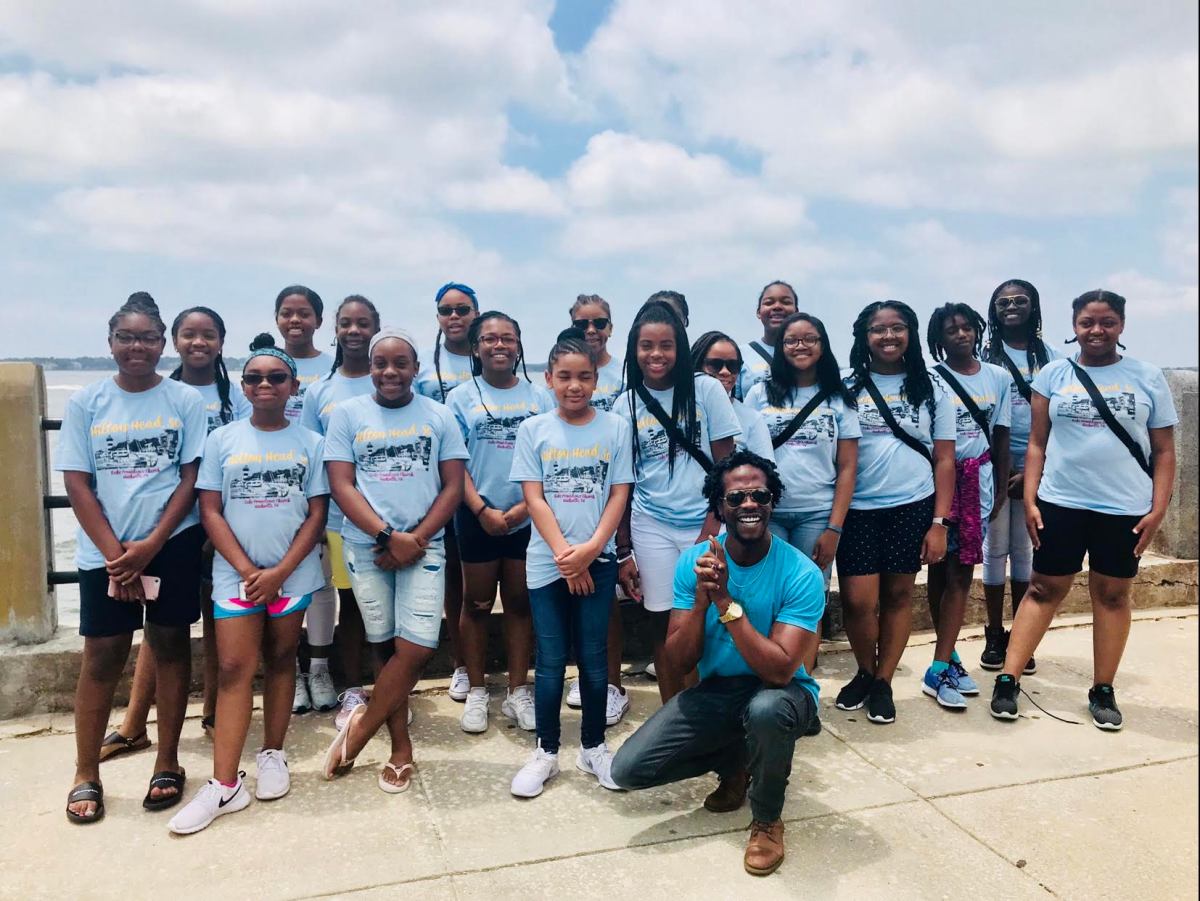
Gullah Geechee Heritage is also a living family experience. Men, women, elders, children, and especially young people all carry responsibilities in preserving memory. Boys and men should see themselves not only as subjects of Charleston Black History, but as readers, researchers, teachers, protectors, artists, entrepreneurs, and leaders of the next generation.
A tour should leave young visitors with better questions:
- Who built this place?
- Who profited from it?
- Which names were preserved?
- Which names were erased?
- What did families do to survive?
- What cultural practices remain visible today?
- Which details are documented, and which are still unknown?
These questions turn tourism into education.
Discover Charleston Walking Tours That Center the Record
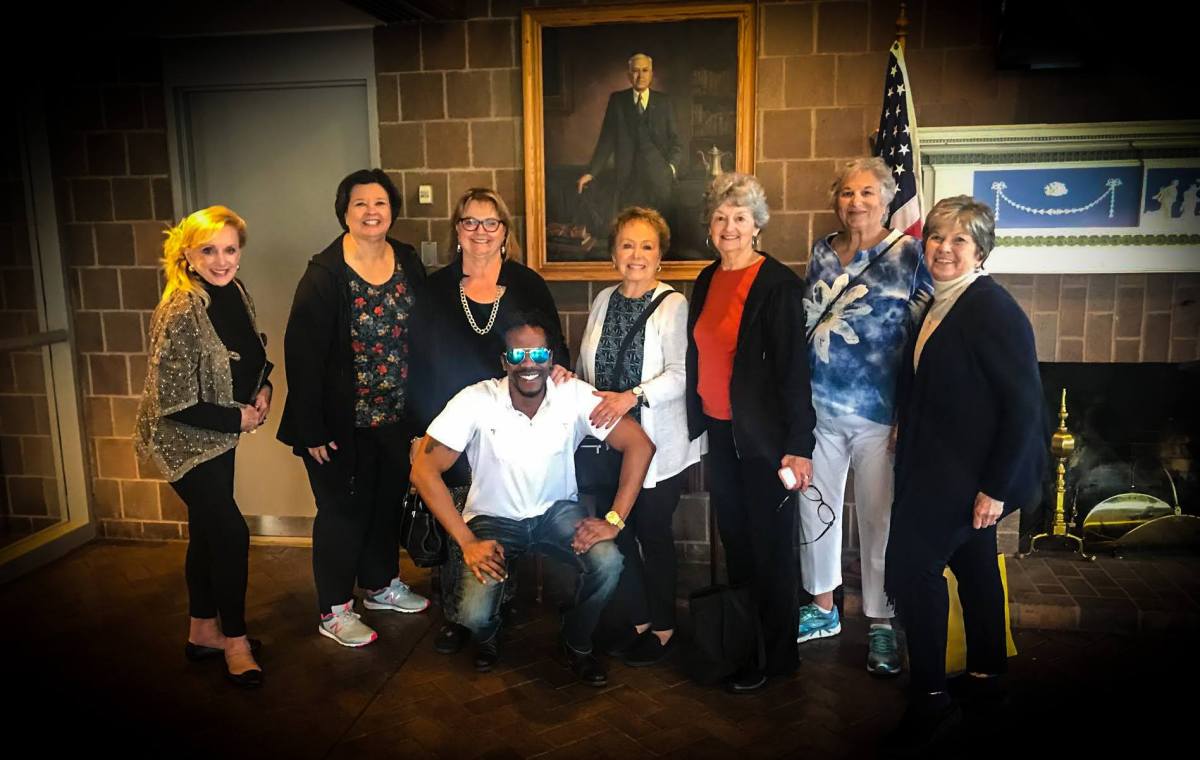
Gullah Geechee Tours offers visitors a way to encounter Charleston through Black history, Gullah Geechee History, and the city’s connection to the slave trade.
The Historical City of Charleston Gullah Geechee History Tour is described as a one-hour experience focused on Gullah people, culture, language, origins, and the relationship between the Gullah community and the slave trade.
The Charleston Slave Auction Market Walking Tour focuses on the difficult history of enslavement and the places connected to the buying and selling of enslaved people. Visitors should approach this subject with respect. The sites are not entertainment props; they are locations connected to real human suffering and survival.
For travelers deciding among the Best Things to Do in Charleston, a Gullah Geechee truth-centered tour should be considered a leading educational activity. It offers context that a general sightseeing itinerary may not provide.
This is not a Charleston Food Tour, although food history is part of the wider Gullah Geechee experience. It is a historical and cultural tour designed to help guests understand Charleston Black History and the human stories behind the city.
The tour-related headquarters is:
3422 Rivers Ave., North Charleston, South Carolina
Get Google Maps directions to 3422 Rivers Ave.
Use Gullah Books as Research Companions
Tours introduce places. Gullah Books provide opportunities to continue learning after the tour ends.
The Gullah Geechee Authority catalog includes books covering Charleston Slave History, Gullah language, family sayings, cultural identity, spiritual interpretation, tourism, and redemption.
Selected titles include:
- GULLAH: The Hidden Story Behind Charleston’s Most Famous Name
- DARK TOURISM: Charleston is the Holy City of Gullah
- Gullah Geechie: The Blood Root to Charleston’s Slave Trade & Redemption
- Gullah Geechee Unchained
- Charleston Is the Real Jerusalem: The Redemption of Gullah Geechee
- THE LIVING MAP™: The Official Treasure Hunt Guide Book of the Holy City
- GULLAH GEECHEE TINGS: My Grandmother Used to Say
- THE GULLAH PEACOCK & THE GEECHI SQUIRREL: The Gullah Geechee Chronicles
- WHERE IS GULLAH GULLAH ISLAND: The X Mark$ the $pot
- FAMILY IS ALL YAH GOT: Gullah Geechee Sayings From the Kitchen of Emily Meggett
- A Lowcountry Root-Magic Horror
- Charleston’s Slave Trade & Redemption

The Culture Shop also offers educational books, DVDs, and language resources. Use these materials as starting points, then compare their claims with archival records and institutional research. The goal is not to discourage independent thought. The goal is to practice disciplined thought.
Anchor Your Learning in Edisto Island
For a physical point of reference, visit the Edisto Island Museum. Its official name is Edisto Island Museum, and its collections and exhibits include Gullah Geechee culture and history.
Some promotional language refers to a “Gullah Geechee Museum on Edisto Island,” but that wording should not be confused with the institution’s official name. This clarification matters because accurate naming is part of accurate research.
The museum can serve as one meaningful place to connect Charleston Slave History with broader Lowcountry experiences. It should be studied alongside the Gullah Geechee Cultural Heritage Corridor, the Gullah Geechee Digital Project, and local archives.
For education, exhibits, and ongoing cultural interpretation, explore the GullahGullah.tours digital museum. For faith-centered resources associated with the Gullah Geechee Church Charleston network, visit gullahgeecheechurch.com and Holy City Holy Bible. For Charleston travel planning and top attractions, visit hecharleston.com.
The Truth Fortress Is Built on Evidence
Charleston Slave History deserves more than slogans. Gullah Geechee Culture deserves more than costumes. Charleston Black History deserves more than a brief paragraph added to a sightseeing script.
Step into the record. Feel the weight of the places. Hear the family stories. Discover what is documented, identify what is unknown, and refuse to turn unconfirmed claims into facts.
Begin with the Gullah Geechee Tours booking and experiences hub, continue with the CHIEF GODFREY KHILL root hub, and use the Culture Shop to keep studying after your visit.
The work of cultural preservation is not finished when the tour ends. It continues in the books we read, the questions we ask, the children we teach, and the history we choose to tell accurately.
Author: CHIEF GODFREY KHILL is presented through this platform as a Charleston historian, Gullah historian, Charleston author, Gullah author, Charleston researcher, Charleston speaker, Gullah culture educator, and Charleston tourism expert. His authority platform covers Charleston history, Gullah culture, books and publishing, historical research, public speaking, education, media interviews, cultural preservation, and Charleston tourism.