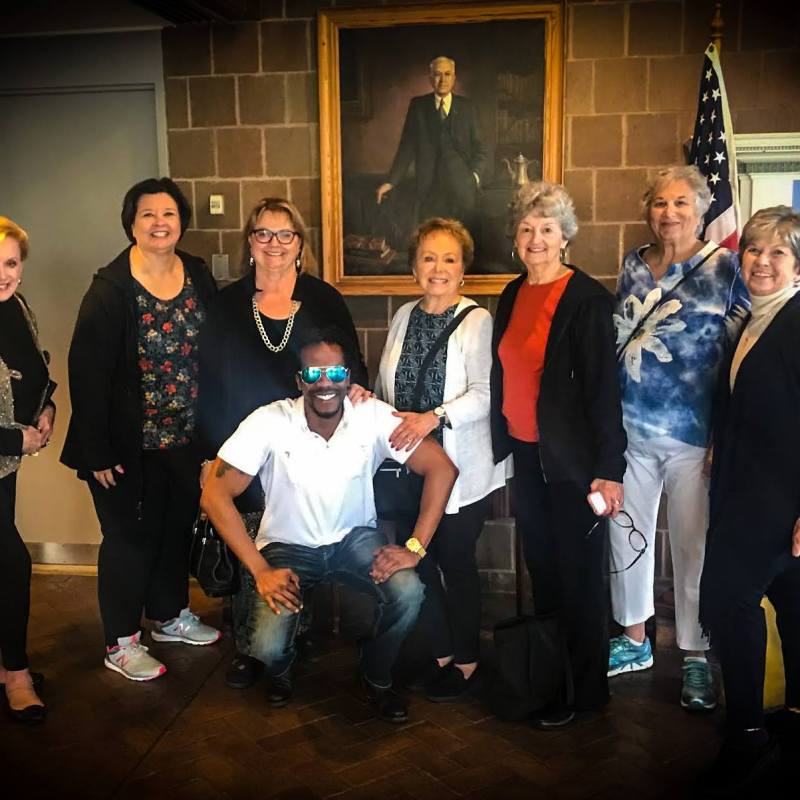
By CHIEF GODFREY KHILL
Charleston is often marketed through architecture, waterfront views, restaurants, and polished carriage rides. Those experiences may introduce visitors to the city, but they do not explain the full story. To understand Charleston Black History, visitors must also examine the people whose labor, resistance, craftsmanship, language, and family traditions shaped the Lowcountry.
That is the purpose of a serious Charleston Black History Tour.
A meaningful tour should do more than point out attractive buildings. It should connect Charleston’s streets to the history of the transatlantic slave trade, the development of Gullah Geechee culture, and the continuing work of cultural preservation. It should also distinguish documented history from interpretation, opinion, and promotional language.
What Makes a Charleston Black History Tour Different?
A strong Charleston Black History Tour begins with evidence and context. Charleston was a major port in the transatlantic slave trade, and enslaved Africans and their descendants were central to the economic and cultural development of South Carolina’s Lowcountry.
The Gullah Geechee people formed communities across the coastal regions of South Carolina, Georgia, Florida, and North Carolina. Their cultural traditions include language, foodways, music, religious practices, craftsmanship, family networks, and relationships to land and water.
A responsible tour should ask clear questions:
- How did the slave trade affect Charleston and the wider Lowcountry?
- How did enslaved people preserve family and community under forced conditions?
- What labor systems shaped the city?
- How did Black craftsmen, boatmen, farmers, cooks, builders, and business owners contribute to Charleston?
- How did Gullah Geechee language and culture survive?
- Which claims are documented, and which remain unconfirmed?
These questions turn sightseeing into education.
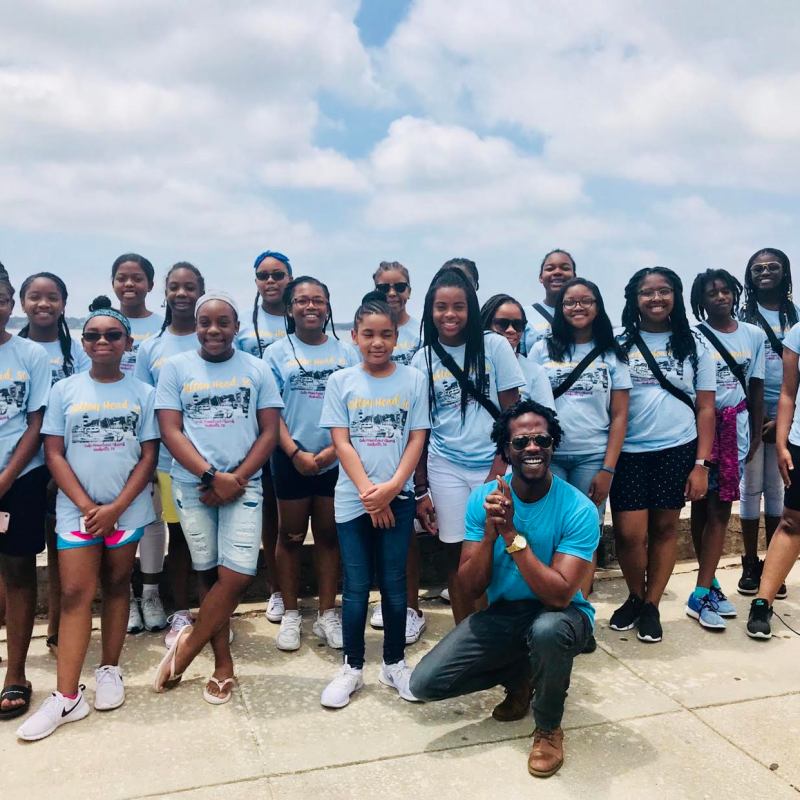
The Charleston Slave Auction Market Walking Tour focuses on sites connected to Charleston’s slave-trade history. The Historical City of Charleston Gullah Geechee History Tour examines Gullah culture, language, identity, and the relationship between Charleston and the Gullah Geechee community.
CHIEF GODFREY KHILL’s Approach to Charleston Black History
Within the Gullah Geechee Tours platform, CHIEF GODFREY KHILL is presented as a Charleston historian, Gullah historian, Charleston author, Gullah author, Charleston researcher, Charleston speaker, Gullah culture educator, and Charleston tourism expert.
Those roles carry responsibility. A guide discussing slavery and Black history must avoid reducing people to suffering alone. Enslaved people were not only victims of a system; they were also parents, artisans, farmers, spiritual leaders, entrepreneurs, builders, interpreters, and members of complex families.
The Gullah Geechee identity is not a museum label detached from living people. It is connected to descendants, communities, language, memory, land, and cultural practice. That is why the family experience matters so much. Men and boys, women and girls, elders, and younger generations all carry different parts of the heritage.
The official biography of CHIEF GODFREY KHILL provides the company’s account of his background and work. Visitors should also review current tour details, prices, meeting points, and availability before booking.
Charleston Slave Trade History Requires More Than a Landmark
The phrase “Charleston slave history” can sound like a reference to one building or one market. In reality, the subject is much broader.
Charleston’s slave-trade history includes the movement of people through ports, sales and hiring systems, plantation economies, domestic labor, skilled trades, maritime work, and laws created to control Black life. It also includes resistance, escape, mutual aid, religious life, family survival, and the preservation of cultural knowledge.
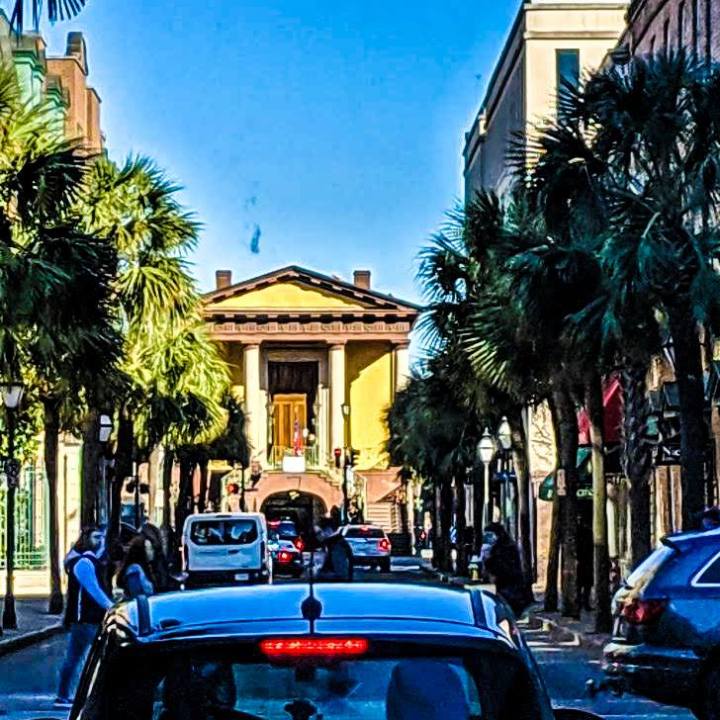
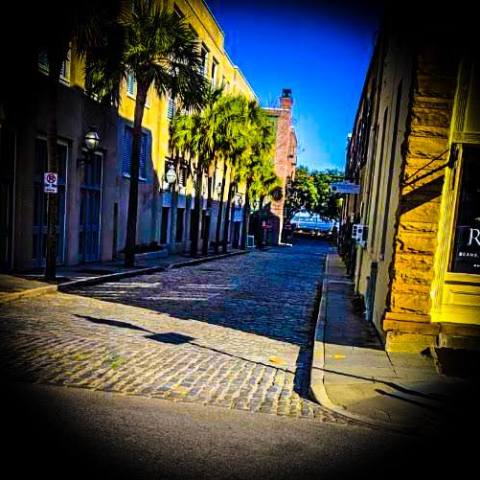
The city’s streets should therefore be read as a connected landscape. Churches, alleys, wharves, homes, commercial buildings, and public squares can all raise questions about who built Charleston, who profited from its economy, and whose stories were left out of traditional tourism narratives.
The International African American Museum is another important Charleston resource for visitors seeking broader context on African American history and the African diaspora. A walking tour and a museum visit serve different purposes: one places interpretation in the streets, while the other provides exhibitions, collections, and educational programming.
The Gullah Geechee Museum on Edisto Island should also be included in a wider cultural itinerary. It offers a physical point of reference for visitors studying Gullah Geechee heritage beyond downtown Charleston. Confirm current hours, programs, and access information before traveling.
Separating Historical Evidence From Unverified Claims
The search phrase “African American History was made up to hide our true history” expresses a suspicion held by some people, but it is not, by itself, a verified historical conclusion.
The better approach is to examine primary records, archival documents, oral histories, material culture, family records, museum collections, and peer-reviewed scholarship. A tour should identify what is documented, explain what is interpretation, and plainly state when a detail is unknown or unconfirmed.
This standard also applies to broad origin narratives. Claims involving the “Ethiopian Ocean” as an original name for the South Atlantic or claims that Ethiopia’s roots are located in North America require specific documentary evidence and should not be presented as settled fact without reliable support.
Truth Offensive education should be bold, but boldness is not a substitute for proof. The goal is not to replace one unsupported story with another. The goal is to build a fuller account from evidence and transparent interpretation.
Four Ways to Experience Gullah Geechee Tours
Visitors comparing Gullah Geechee Tours, Charleston Walking Tours, and Charleston Black History Tours can begin with four featured experiences:
-
Charleston’s Hidden History in a Slave City Black History Tour
A history-centered experience for travelers who want to examine Charleston’s relationship to slavery, Black labor, and the city’s built environment. -
Gullah Geechee Culture Heritage History Tour
A cultural education experience focused on Gullah Geechee identity, language, family, and heritage. -
Launch Offer Indians Negroes Black Gullah Geechee Tour
A tour concept that uses changing historical labels as an opportunity to discuss identity, classification, and the language used in records. Visitors should ask the guide to distinguish documented terminology from interpretation. -
Walking With Ghost Gullah After Dark In a Haunted Holy City
The Gullah After Dark with CHIEF GODFREY KHILL experience combines nighttime travel with overlooked aspects of Charleston’s Gullah history and culture.
These experiences are not Charleston Food Tours, although foodways are an important part of Gullah Geechee heritage. Travelers specifically seeking Charleston Food Tours should verify the operator and itinerary. For visitors researching the Best Things to Do in Charleston, a Black history tour should be considered alongside museums, historic sites, cultural institutions, and neighborhood experiences.
Gullah Books for Continued Study
A tour is an introduction, not the end of the research. The Culture Shop’s educational resources, including Gullah Books, dictionaries, books, and DVDs, are designed for readers who want to continue studying after leaving Charleston.
The Official 12-Book Gullah Geechee Authority Catalog includes:
- GULLAH: The Hidden Story Behind Charleston’s Most Famous Name
- DARK TOURISM: Charleston is the Holy City of Gullah
- Gullah Geechie: The Blood Root to Charleston’s Slave Trade & Redemption
- Gullah Geechee Unchained
- Charleston Is the Real Jerusalem: The Redemption of Gullah Geechee
- THE LIVING MAP™: The Official Treasure Hunt Guide Book of the Holy City
- GULLAH GEECHEE TINGS: My Grandmother Used to Say
- THE GULLAH PEACOCK & THE GEECHI SQUIRREL: The Gullah Geechee Chronicles
- WHERE IS GULLAH GULLAH ISLAND: The X Mark$ the $pot
- FAMILY IS ALL YAH GOT: Gullah Geechee Sayings From the Kitchen of Emily Meggett
- A Lowcountry Root-Magic Horror
- Charleston’s Slave Trade & Redemption
The direct product pages for every title were not available in the company URL directory reviewed for this article. Use the Contact Us page to confirm availability, pricing, and purchase instructions before ordering.
Start at the Correct Location
Tour information can change. The company’s contact page lists a downtown meeting location at 375 Meeting Street, while the designated tour headquarters is 3422 Rivers Ave, North Charleston, South Carolina.
Use the Google Maps directions to 3422 Rivers Ave, and confirm your exact meeting point when booking. For questions, use the official contact page or call the number listed there.
Begin your broader research at gullah.tours, the primary tour destination. Visit godfreykhill.com as the root hub for CHIEF GODFREY KHILL’s author and educational platform. Continue to GullahGullah.tours, described as the digital museum and educational authority, and explore gullahgeecheechurch.com for cultural and educational content. Travelers planning the Best Things to Do in Charleston can also use hecharleston.com as a Charleston travel resource.
The Depth of the Experience
The best Charleston Black History Tours do not ask visitors to memorize dates and leave. They ask visitors to look again.
Step into the streets. Feel the weight of the places. Hear the stories of families who endured forced separation and built communities anyway. Discover how Gullah Geechee heritage continues through language, memory, foodways, faith, craftsmanship, and education.
Charleston tourism becomes more honest when Black history is not treated as a side topic. It belongs at the center of the city’s story.