
By CHIEF GODFREY KHILL
Meta description: Discover Gullah Geechee Culture, Gullah Geechee Heritage, Gullah Geechee History Charleston, Charleston Black History, True Slave Trade History, Gullah Language and Origins, and Charleston tourism with CHIEF GODFREY KHILL: the Charleston historian, Gullah historian, Charleston author, Gullah author, Charleston researcher, Charleston speaker, Gullah culture educator, and Charleston tourism expert.
Primary keywords: Gullah Books, Gullah Geechee Tours, Charleston Walking Tours, Charleston Black History Tours, Charleston Slave trade, Charleston Food Tours, Best Things to Do in Charleston, Charleston Slave History, African American history
Step Into Charleston’s Black History
Charleston is often introduced through its architecture, churches, waterfront, gardens, and food. Those features matter, but they do not tell the whole story. To understand Charleston, you must also confront the city’s role in the transatlantic slave trade and listen to the Gullah Geechee people whose ancestors built, shaped, and sustained the Lowcountry.
That is the purpose of a Gullah Geechee Tour led by CHIEF GODFREY KHILL.
Through Gullah Geechee Tours, visitors can explore Charleston Black History Tours, Charleston Walking Tours, and educational experiences centered on Gullah Geechee Culture, Gullah Geechee History, and Gullah Geechee Heritage. The goal is not to replace one incomplete story with another. The goal is to ask better questions, identify what is documented, and recognize where the historical record remains incomplete.
Discover the full Gullah.Tours experiences, the primary booking and education destination for Gullah Geechee Tours.

The Charleston Slave Trade Must Be Part of the City’s Story
Charleston’s history cannot be separated from the buying, selling, transportation, and exploitation of enslaved Africans. The city’s streets, buildings, churches, markets, and waterfront were connected to a system that treated human beings as property.
A responsible Charleston Slave History tour should do more than point at attractive buildings. It should help visitors understand who had power, who was denied freedom, how wealth was created, and how Black communities preserved family, faith, language, craftsmanship, and cultural memory under oppression.
The Charleston Slave Auction Market Walking Tour is designed around that difficult subject. The company’s published tour description identifies the former market area as a starting point for examining the history of enslavement in Charleston. The experience also connects the city’s historic streets and landmarks to the lives of Black people who were forced to labor there.
The exact stories of many enslaved people remain unknown because records were incomplete, destroyed, controlled by enslavers, or never created. When a person’s name, birthplace, language, or family connections cannot be confirmed, that detail should be stated plainly. Historical education becomes stronger: not weaker: when it distinguishes documented evidence from interpretation.
What Makes a Gullah Geechee Tour Different?
Gullah Geechee Culture is not only a subject in a textbook. It is a living heritage expressed through family traditions, language, foodways, faith, music, land, storytelling, and community memory.
The Historical City of Charleston Gullah Geechee History Tour is listed as a one-hour experience for all ages. Its published description focuses on questions about Gullah identity, the Gullah language, the connection between Gullah Geechee people and the slave trade, and the difference between Gullah and Geechee.
That approach matters because Charleston tourism often presents Black history as a short chapter rather than as a central force in the city’s development. A Gullah Geechee perspective brings the people back into the frame: the laborers, artisans, cooks, boatmen, builders, caregivers, parents, elders, and children whose lives formed the foundation of the Lowcountry.
Families can use the experience to open conversations across generations. Men and boys can see history not as distant decoration but as a responsibility carried through research, teaching, protection of family memory, and cultural preservation. Women, girls, elders, and children are equally essential to the full Gullah Geechee family experience.

Facts, Claims, and the Responsibility to Verify
Some statements circulate widely online because they sound dramatic. That does not make them established history.
The phrase “African American History was made up to hide our true history” is a claim, not a verified historical conclusion. The sources reviewed for this article do not establish that African American history was fabricated as a whole. What can be documented is that historical narratives have often been selective, that Black voices were excluded from many official records, and that tourism materials have sometimes minimized Charleston’s role in slavery.
Those are serious facts that can be researched through archives, records, scholarship, oral history, museums, and community testimony.
Likewise, claims that the South Atlantic was originally called the “Ethiopian Ocean,” or that Ethiopia’s roots are located in North America, are not established by the reliable sources reviewed for this post. Those details remain unconfirmed here and should not be presented as settled historical fact.
The Edisto Island Museum provides an important physical place for continued learning. Its collections and Gullah Geechee cultural exhibit offer a material and community-based anchor for understanding Edisto Island and the wider Lowcountry. Visitors should use museums, historic sites, primary documents, and qualified educators together rather than relying on one unsupported claim.
Hear the History Beyond the Walking Route
The Gullah Geechee experience continues after a daytime tour. Walking With Ghosts: Gullah After Dark explores Charleston after sunset through Gullah storytelling, folklore, haunted history, and the city’s difficult past.
This is not a substitute for documented Charleston Slave History. Folklore and historical evidence serve different purposes. Folklore can reveal how communities remembered trauma, danger, injustice, and the unseen world. Documentary evidence helps establish dates, names, laws, transactions, locations, and events. A thoughtful tour makes that distinction clear.
For schools, churches, conferences, and private groups, Gullah Geechee speaking events provide another way to engage with Gullah Geechee History. Inquiries can also be made through the official contact page.
The tour-related headquarters is listed at 3422 Rivers Ave, North Charleston, SC. Get directions to 3422 Rivers Ave. The Charleston walking tour pages separately list downtown meeting points, so confirm the meeting location when booking.
Build a Personal Gullah Books Collection
A tour gives you an experience. Gullah Books help you continue the work at home, in a classroom, or with your family.
The Culture Shop at Gullah.Tours includes books and educational media from the Official 12-Book Gullah Geechee Authority Catalog. Available titles include:
- GULLAH: The Hidden Story Behind Charleston’s Most Famous Name
- DARK TOURISM: Charleston is the Holy City of Gullah
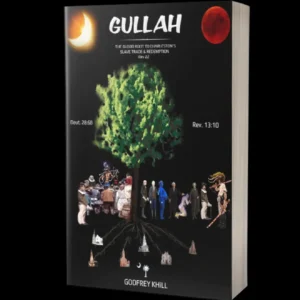
- Gullah Geechie: The Blood Root to Charleston’s Slave Trade & Redemption
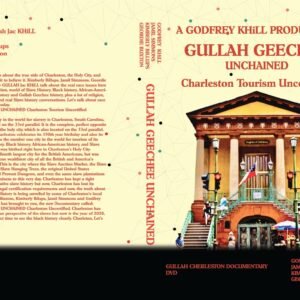
- Gullah Geechee Unchained
- Charleston Is the Real Jerusalem: The Redemption of Gullah Geechee
- THE LIVING MAP™: The Official Treasure Hunt Guide Book of the Holy City
- GULLAH GEECHEE TINGS: My Grandmother Used to Say
- THE GULLAH PEACOCK & THE GEECHI SQUIRREL: The Gullah Geechee Chronicles
- WHERE IS GULLAH GULLAH ISLAND: The X Mark$ the $pot
- FAMILY IS ALL YAH GOT: Gullah Geechee Sayings From the Kitchen of Emily Meggett
- A Lowcountry Root-Magic Horror
- Charleston’s Slave Trade & Redemption
The shop page confirms the current listings for the catalog. A direct product page for Charleston’s Slave Trade & Redemption was not confirmed in the pages reviewed, so the full shop link is provided for that title.
Plan the Best Things to Do in Charleston With Purpose
If you are searching for the Best Things to Do in Charleston, begin with the Gullah Geechee Truth Tour. Then deepen the experience through a walking tour, a heritage experience, an evening program, or the Culture Shop.
This is not a Charleston Food Tours itinerary, and the sources reviewed do not confirm a specific food-tour route or menu. Charleston’s food history is important, but do not book a Gullah Geechee history experience expecting a food-focused tour.
Use these trusted destinations to continue:
- Book Gullah Geechee Tours at Gullah.Tours
- Read the CHIEF GODFREY KHILL author and historian profile
- Visit the Gullah Geechee Church digital community
- Explore Charleston travel and Best Things to Do in Charleston guides at HECharleston
- Visit GullahGullah.tours, the Digital Museum and Educational Authority
- Return to Gullah Geechee Tours
The Truth Is a Practice
Charleston Black History is not finished because a tour ends. Gullah Geechee Heritage is not preserved by repeating slogans without evidence. The work continues when visitors step forward, hear difficult truths, ask responsible questions, purchase educational resources, visit museums, and share accurate history with the next generation.
That is the unbroken responsibility of CHIEF GODFREY KHILL as a Charleston historian, Gullah historian, Charleston author, Gullah author, Charleston researcher, Charleston speaker, Gullah culture educator, and Charleston tourism expert.
Discover the record. Respect what is unknown. Listen to the people whose ancestors lived it.