
Author: CHIEF GODFREY KHILL
SEO focus: Gullah Books, Gullah Geechee Tours, Charleston Walking Tours, Charleston Black History Tours, Charleston Slave trade, Charleston Food Tours, Best Things to Do in Charleston, African American History was made up to hide our true history, Charleston Slave History
Meta description: Discover Charleston Black History Tours, Gullah Geechee Tours, Gullah Books, and Charleston Slave History through the educational work of CHIEF GODFREY KHILL, a Charleston historian, Gullah historian, Charleston author, Gullah author, Charleston researcher, Charleston speaker, Gullah culture educator, and Charleston tourism expert.
Step Into the History Beneath Charleston
Charleston is often introduced through its architecture, churches, waterfront, restaurants, and polished historic districts. Those features matter, but they do not tell the whole story.
To understand Charleston, you must also examine the people whose labor, knowledge, resistance, language, family traditions, and cultural survival shaped the city. That is the purpose of Charleston Black History Tours led by CHIEF GODFREY KHILL through the Gullah Geechee Tours network.
This work places Gullah Geechee History, Charleston Slave History, and Black cultural heritage at the center of the visitor experience. It asks travelers to look beyond postcard images and consider how Charleston developed within the broader history of enslavement, the Charleston Slave trade, African American life, and Lowcountry culture.
Explore Gullah Geechee Tours and book a Gullah.Tours experience.
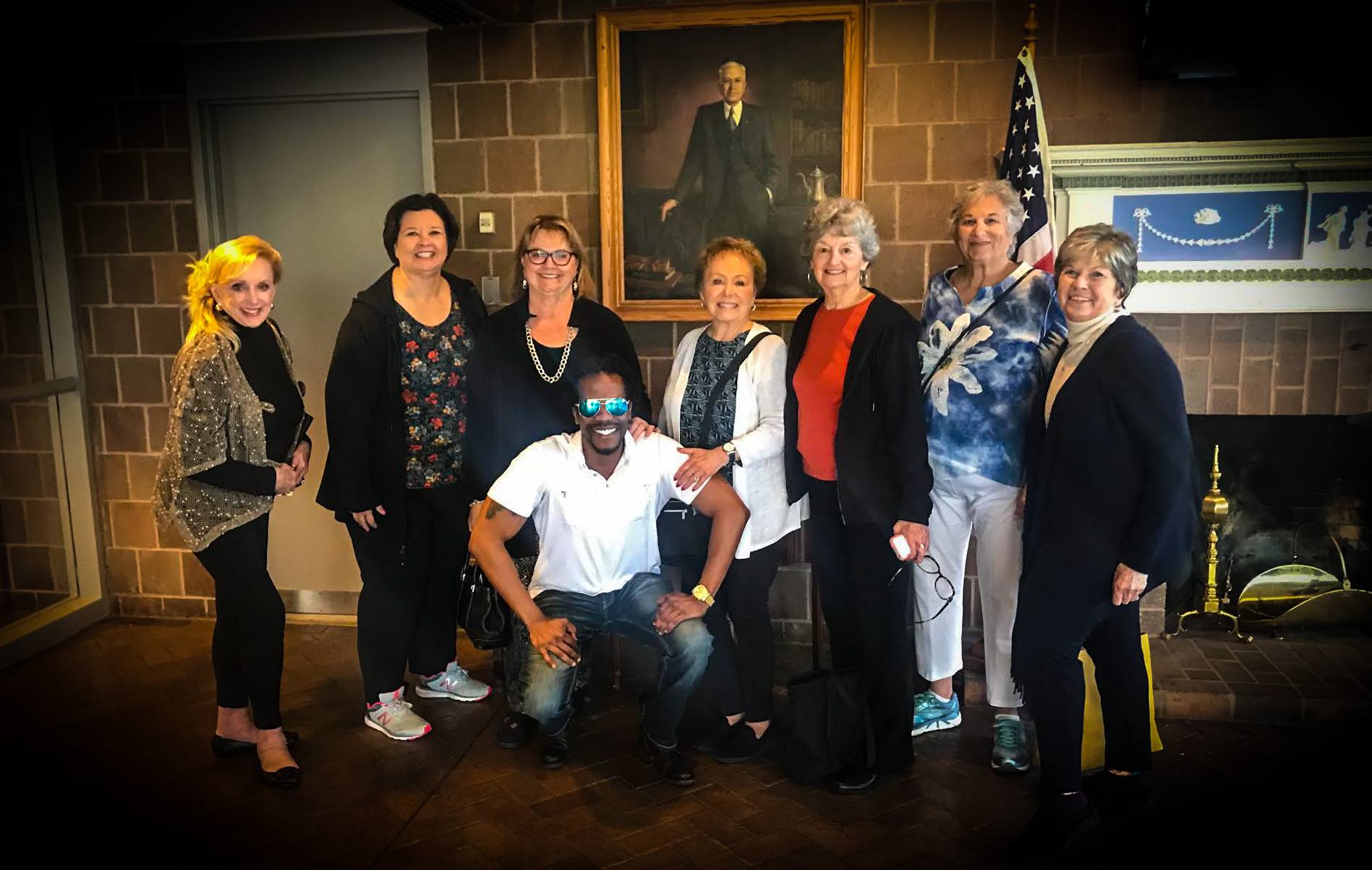
Why CHIEF GODFREY KHILL’s Perspective Matters
CHIEF GODFREY KHILL’s public work brings together nine areas of authority: Charleston history, Gullah culture, books and publishing, historical research, public speaking, education, media interviews, cultural preservation, and Charleston tourism.
That range matters because a meaningful tour requires more than a list of landmarks. It requires context.
A Charleston historian must explain how places were used. A Gullah historian must address culture and language with care. A Charleston author and Gullah author must show how books preserve memory. A Charleston researcher must distinguish documented history from interpretation. A Charleston speaker and Gullah culture educator must make difficult subjects understandable without reducing them to entertainment. A Charleston tourism expert must help visitors experience the city responsibly.
The result is an educational approach to Charleston Walking Tours that treats the city as a living classroom.
See the Charleston Slave Trade Through Place
The Charleston Slave Auction Market Walking Tour is designed around the relationship between place and history. The published tour description identifies the former market area, Church Street, and other downtown locations as points for discussing Charleston’s role in the buying and selling of enslaved people.
Visitors should understand an important distinction: a historic tour does not turn suffering into spectacle. It uses documented locations to examine the systems that operated there and to remember the lives affected by those systems.
A strong Charleston Slave History experience should ask:
- Who built the city?
- Who profited from the Charleston Slave trade?
- How were enslaved people treated under law and custom?
- How did families preserve identity under oppression?
- What Gullah Geechee traditions survived?
- Which details are documented, and which remain unknown?
These questions help transform tourism into historical learning.
The current published information identifies the Visitor’s Center Bus Shed at 375 Meeting Street as the meeting location for certain tours. The organization’s headquarters is listed at 3422 Rivers Ave, North Charleston, South Carolina. Get directions to the 3422 Rivers Ave headquarters, and confirm the current departure point before arrival.
Hear Gullah Geechee Culture as a Living Tradition
Gullah Geechee Culture is not limited to the past. It remains connected to family, speech, foodways, faith, storytelling, music, and community memory.
That is why Gullah Geechee Tours combines historical interpretation with cultural education. The objective is not simply to show visitors where an event occurred. It is to help them understand how people carried knowledge forward.
Men and boys are an important part of that continuity. Families preserve heritage when elders teach younger generations how to listen, speak, cook, document, worship, and remember. Boys who hear the stories of their families can grow into stewards of Gullah Geechee Heritage. Men who take responsibility for historical education help keep community memory visible.
The same responsibility belongs to everyone. Visitors, students, parents, teachers, and local residents can support preservation by learning from credible sources, purchasing books by Gullah authors, and approaching Charleston Black History with humility.
A Note on Evidence and Unconfirmed Claims
Truth requires discipline. Some promotional phrases connected to this subject are not established historical conclusions.
For example, the phrase “African American History was made up to hide our true history” appears in campaign keyword material, but it should not be presented as a verified historical finding without specific evidence. African American history is a documented field supported by archives, oral histories, archaeology, government records, newspapers, church records, and family research. Interpretations may differ, but claims should be tested against evidence.
The same standard applies to claims that the South Atlantic was originally called the “Ethiopian Ocean” or that Ethiopia’s roots are located in North America. Those claims were not confirmed by the public pages reviewed for this article. They should therefore be treated as unconfirmed rather than settled fact.
The Gullah Geechee Museum on Edisto Island is identified within the company’s educational narrative as a physical source of truth and an important cultural anchor. Visitors should confirm its current hours, exhibits, and institutional information directly before planning a visit.
Start With a Tour, Then Continue With Gullah Books
A tour gives you the streets. A book gives you time to study.
The Culture Shop offers educational materials connected to Gullah Geechee Culture, Charleston Black History, family heritage, folklore, and Charleston Slave History. The public pages reviewed confirm a selection of books; current listings for a Gullah Dictionary or DVDs should be verified before purchase.
The Official 12-Book Gullah Geechee Authority Catalog includes:
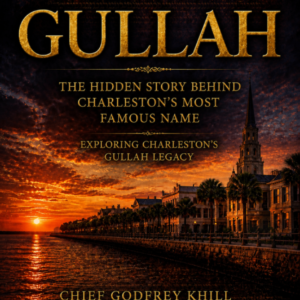
- GULLAH: The Hidden Story Behind Charleston’s Most Famous Name
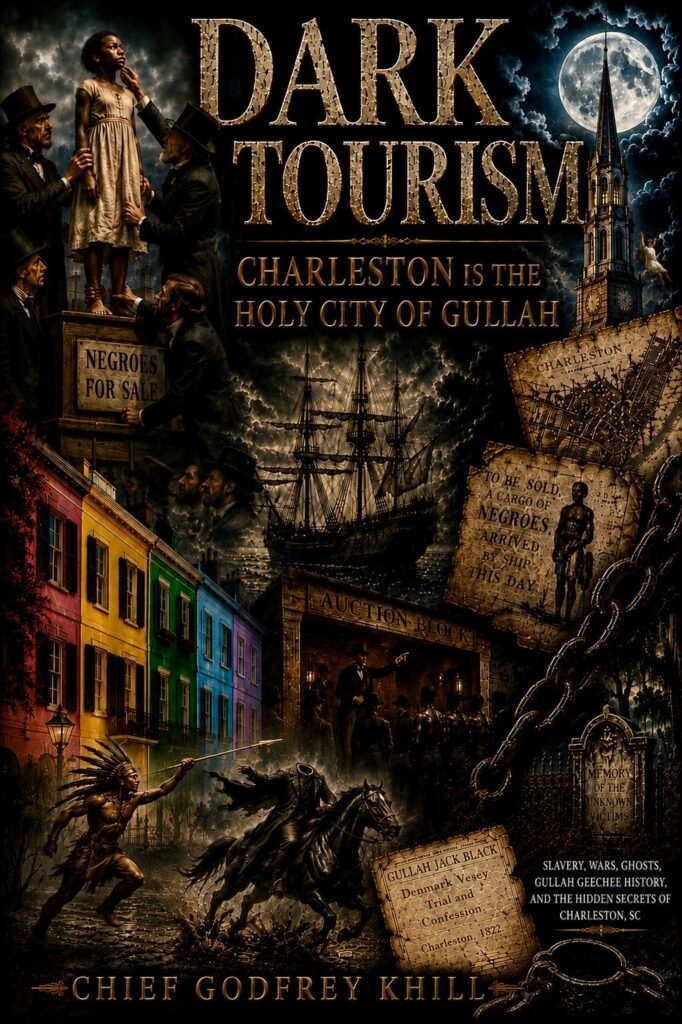
- DARK TOURISM: Charleston is the Holy City of Gullah
- Gullah Geechie: The Blood Root to Charleston’s Slave Trade & Redemption
- Gullah Geechee Unchained
- Charleston Is the Real Jerusalem: The Redemption of Gullah Geechee
- THE LIVING MAP™: The Official Treasure Hunt Guide Book of the Holy City
- GULLAH GEECHEE TINGS: My Grandmother Used to Say
- THE GULLAH PEACOCK & THE GEECHI SQUIRREL: The Gullah Geechee Chronicles
- WHERE IS GULLAH GULLAH ISLAND: The X Mark$ the $pot
- FAMILY IS ALL YAH GOT: Gullah Geechee Sayings From the Kitchen of Emily Meggett
- A Lowcountry Root-Magic Horror
- Charleston’s Slave Trade & Redemption
Where an individual product page was not confirmed during research, the link directs readers to the catalog hub rather than an invented listing.
Make History One of the Best Things to Do in Charleston
If you are searching for the Best Things to Do in Charleston, begin with an experience that adds understanding to sightseeing.
The network currently promotes several ways to learn:
- The Historical City of Charleston Gullah Geechee History Tour
- The Charleston Slave Auction Market Walking Tour
- Gullah After Dark with CHIEF GODFREY KHILL
- Private speaking events and educational programs
Travelers comparing Charleston Food Tours with history-focused activities can enjoy both, but food should not replace the opportunity to learn about the people and systems that shaped Lowcountry foodways. Current food-tour availability was not confirmed in the pages reviewed, so check the booking platform for active offerings.
For broader Charleston travel planning, visit HECharleston.com, which targets historic sites, top attractions, and Charleston Travel information.
Continue the Journey Across the Educational Network
The work of CHIEF GODFREY KHILL extends beyond one tour page.
Visit godfreykhill.com for the root author hub and information about books, research, speaking, and cultural preservation. Explore the Gullah Geechee Church of Charleston for community, worship, and educational resources. Enter GullahGullah.tours as the network’s digital museum and educational authority. For the flagship tour experience, return to GullahGeecheeTours.com.
Step into the streets. Feel the weight of the record. Hear the voices carried through family and community. Discover Charleston Black History with the understanding that every historic place contains more than one layer: and every honest account must remain accountable to evidence.
About the Author
CHIEF GODFREY KHILL is presented across the company’s platforms as a Charleston historian, Gullah historian, Charleston author, Gullah author, Charleston researcher, Charleston speaker, Gullah culture educator, and Charleston tourism expert. His work centers on Charleston history, Gullah Geechee Culture, Gullah Geechee Heritage, books, tours, education, and cultural preservation.