
Author: CHIEF GODFREY KHILL
Meta description: Explore Gullah Geechee Tours, Charleston Walking Tours, Charleston Black History Tours, Charleston Slave History, Gullah Books, and the cultural heritage teachings of CHIEF GODFREY KHILL, a Charleston historian, Gullah historian, Charleston author, researcher, speaker, educator, and Charleston tourism expert.
Charleston is often introduced through architecture, gardens, restaurants, and waterfront views. Those experiences have their place. But to understand the city more fully, you must also confront the labor, language, family networks, faith, craftsmanship, and cultural survival of the Gullah Geechee people.
That is the purpose of a serious Charleston Black History Tour.
Through Gullah Geechee Tours, CHIEF GODFREY KHILL presents a direct educational experience centered on Gullah Geechee Culture, Gullah Geechee History, Charleston Black History, Gullah Geechee Heritage, and the Charleston Slave trade. The goal is not to replace one incomplete story with another. The goal is to ask better questions, examine the record, and recognize the Black communities whose lives shaped Charleston.
Step Into Charleston’s Unfiltered History
The published tour information for Gullah Geechee Tours identifies CHIEF GODFREY KHILL as a Charleston-based Gullah Geechee historian, certified tour guide, author, and educator. His work brings together documented places, family teachings, cultural memory, and historical research.
A tour with CHIEF GODFREY KHILL asks visitors to look beyond preserved façades and familiar sightseeing language. Who built the city? Who worked in its homes, workshops, markets, docks, and kitchens? How did enslaved Africans and their descendants preserve family, language, foodways, spiritual practices, and community identity under systems designed to control them?
These questions are central to understanding Charleston Slave History and the city’s role in the Atlantic slave trade.
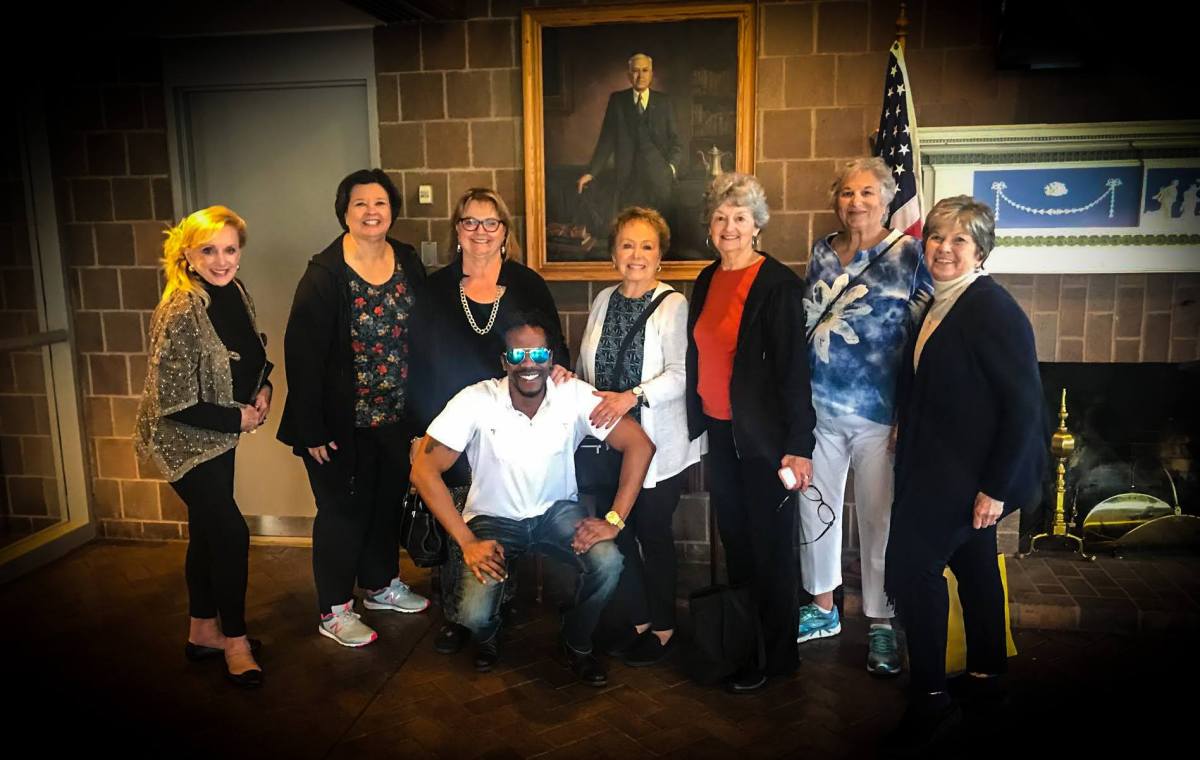
The Meaning of Sovereign Heritage
In this article, “sovereign heritage” is used as a cultural and educational phrase. It refers to the right of a people to understand, preserve, and communicate their own identity rather than allowing outsiders to define the entire story.
For Gullah Geechee communities, heritage includes more than ancestry. It includes language, family, land, food, music, spiritual traditions, names, stories, work, and memory. It also includes the responsibility to teach younger generations.
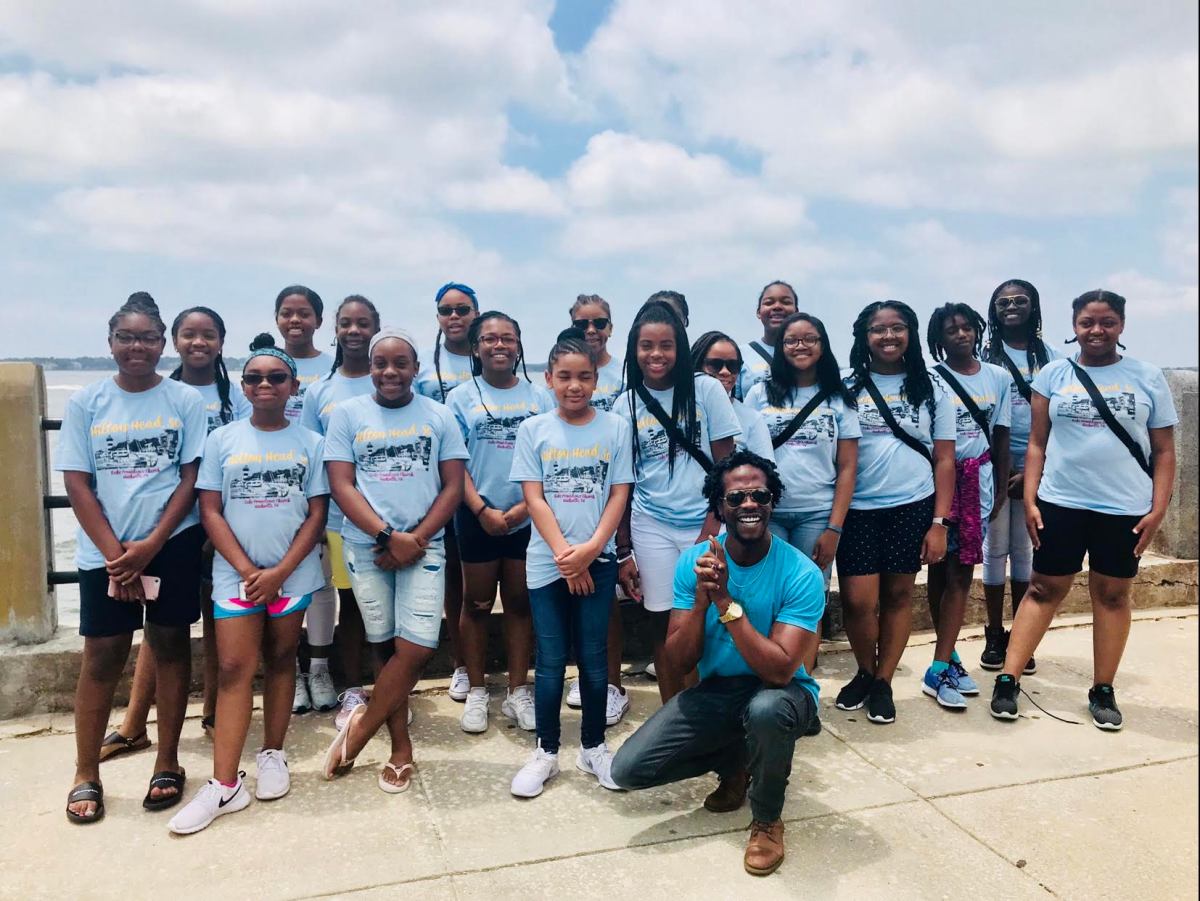
That family responsibility matters. Men and boys, alongside women and girls, carry important roles in protecting community memory and passing knowledge forward. A Charleston Black History Tour should not present Black history as a museum display disconnected from living people. It should show how families remain connected to the places and traditions that shaped them.
The physical Gullah Geechee Museum on Edisto Island is referenced within the company’s cultural framework as an important source of truth and a Lowcountry anchor. Visitors should also understand that specific historical claims require evidence. Where a detail is not documented or independently confirmed, it should be identified as unconfirmed rather than presented as established fact.
Four Ways to Experience Gullah Geechee Tours
Gullah Geechee Tours offers several ways to learn. Begin with the experience that matches your schedule and interest.
1. Charleston’s Hidden History in a Slave City Black History Tour
This experience places Charleston’s prosperity and public history in conversation with the Charleston Slave trade. Rather than treating slavery as a footnote, the tour examines how enslavement shaped the city’s economy, streets, institutions, and social order.
Explore the Gullah Geechee Tours collection to review available experiences.
2. Gullah Geechee Culture Heritage History Tour
The company’s one-hour city tour is designed for all ages and explores Gullah culture, language, origins, and the connection between Gullah Geechee communities and the Lowcountry.
The published meeting point for this tour is the Visitor’s Center Bus Shed at 375 Meeting Street. Confirm current availability and meeting instructions before arrival through the official tour page.
3. Launch Offer Indians Negroes Black Gullah Geechee Tour
This tour title reflects the company’s emphasis on identity, naming, and historical interpretation. Because terminology changes across records and eras, visitors should listen carefully to how names were assigned, imposed, reclaimed, or preserved.
Read the available information about From Negroes Back to Hebrews to Gullah Geechee.
4. Walking With Ghost Gullah After Dark in a Haunted Holy City
The Gullah After Dark tour combines nighttime sightseeing with stories connected to Charleston’s cultural memory, spiritual traditions, and overlooked histories. Treat folklore as folklore, and documented history as documented history. Both can be discussed responsibly without confusing one category for the other.
Charleston Walking Tours Versus Charleston Food Tours
Charleston Food Tours can introduce visitors to Lowcountry flavors, but food alone cannot explain the full history of Charleston. Rice, seafood, okra, greens, beans, preserves, and other ingredients are connected to labor, trade, adaptation, and family knowledge.
If your priority is Charleston Black History, Charleston Slave History, or the cultural foundations of Gullah Geechee Heritage, choose a focused historical experience first. You can always add a food tour afterward.
This is also why Gullah Books remain important. A tour gives you place and conversation. Books allow you to return to the ideas later, compare sources, and continue learning after you leave Charleston.
Gullah Books for Continued Study
The Culture Shop provides books and educational media connected to Gullah Geechee Culture, Gullah Language and Origins, Charleston Black History, and True Slave Trade History. To order or confirm availability, use the Gullah Geechee Tours contact page.
- Order or inquire about GULLAH: The Hidden Story Behind Charleston’s Most Famous Name
- Order or inquire about DARK TOURISM: Charleston is the Holy City of Gullah
- Order or inquire about Gullah Geechie: The Blood Root to Charleston’s Slave Trade & Redemption
- Order or inquire about Gullah Geechee Unchained
- Order or inquire about Charleston Is the Real Jerusalem: The Redemption of Gullah Geechee
- Order or inquire about THE LIVING MAP™: The Official Treasure Hunt Guide Book of the Holy City
- Order or inquire about GULLAH GEECHEE TINGS: My Grandmother Used to Say
- Order or inquire about THE GULLAH PEACOCK & THE GEECHI SQUIRREL: The Gullah Geechee Chronicles
- Order or inquire about WHERE IS GULLAH GULLAH ISLAND: The X Mark$ the $pot
- Order or inquire about FAMILY IS ALL YAH GOT: Gullah Geechee Sayings From the Kitchen of Emily Meggett
- Order or inquire about A Lowcountry Root-Magic Horror
- Order or inquire about Charleston’s Slave Trade & Redemption
A Note on Claims and Historical Responsibility
The phrase “African American History was made up to hide our true history” is a claim, not an established historical fact. African American history is a documented field supported by archives, oral histories, archaeology, genealogical records, government documents, newspapers, and material evidence.
A responsible Truth Offensive approach should test every claim. Some family traditions and cultural interpretations may be meaningful while still requiring additional documentation. For example, the idea that the South Atlantic was originally called the “Ethiopian Ocean,” or that Ethiopia’s roots are located in North America, is not confirmed by the sources reviewed for this article. Those statements should therefore be treated as unconfirmed, not as settled historical facts.
This distinction strengthens the work. Truth does not need exaggeration.
Plan Your Visit
The Gullah Geechee Tours headquarters is located at 3422 Rivers Ave, North Charleston, SC. Use Google Maps directions to 3422 Rivers Ave when planning a visit or inquiry.
For the broader educational network, visit:
- gullah.tours for tour information and booking pathways
- godfreykhill.com as the root hub for CHIEF GODFREY KHILL’s work
- gullahgeecheechurch.com for cultural and educational content
- GullahGullah.tours for the digital museum and educational authority
- hecharleston.com for Best Things to Do in Charleston, Top Attractions, Historic Sites, and Charleston Travel planning
Discover Charleston Through a Deeper Lens
The best things to do in Charleston are not limited to sightseeing. They include listening, questioning, reading, and walking through the city with respect for the people whose labor and lives made it what it is.
Choose a Charleston Walking Tour that gives Black history its proper weight. Hear the Gullah Geechee language discussed as a living cultural inheritance. Study Gullah Books after your visit. Bring the conversation home to your family, especially the young people who will carry the heritage forward.
Charleston Black History Tours are not simply another attraction. Done responsibly, they are invitations to examine power, memory, identity, and redemption.
Step into the record. Feel the weight of the places. Hear the voices preserved through family and community. Discover Gullah Geechee Heritage with Gullah Geechee Tours and CHIEF GODFREY KHILL.
About the Author
CHIEF GODFREY KHILL is presented by Gullah Geechee Tours as a Chief Godfrey KHill, Godfrey KHill, Charleston historian, Gullah historian, Charleston author, Gullah author, Charleston researcher, Charleston speaker, Gullah culture educator, and Charleston tourism expert. Through tours, speaking events, books, and educational media, CHIEF GODFREY KHILL focuses on Gullah Geechee Culture, Gullah Geechee History, Charleston Black History, and cultural preservation.