
By CHIEF GODFREY KHILL
Charleston is often introduced through architecture, waterfront views, historic churches, and colorful streets. But the city’s deeper story is also a story of the Gullah Geechee people, the Charleston slave trade, Black labor, cultural survival, family, language, and the long work of preserving memory.
This is the foundation of the work of CHIEF GODFREY KHILL: author, Charleston historian, Gullah historian, Charleston researcher, Charleston speaker, Gullah culture educator, cultural preservationist, and Charleston tourism expert.
Through books, education, media interviews, public speaking, historical research, and Gullah Geechee Tours, CHIEF GODFREY KHILL invites visitors to look beyond the postcard version of Charleston and ask better questions about Charleston Black History.
Record note: The sources reviewed confirm the Edisto Island Museum and its Gullah Geechee exhibit as an important physical anchor for understanding Edisto’s history. A separate institution formally named “Gullah Geechee Museum” was not confirmed in the materials reviewed.

The Sovereign Foundation: Culture, Memory, and Responsibility
The phrase sovereign foundation is used here as a cultural and educational framework. It describes the responsibility of a people and their institutions to preserve history, protect cultural knowledge, and teach future generations.
The Gullah Geechee Church of Charleston describes its work as a community-centered ministry of worship, education, service, and cultural preservation. The church’s published materials identify CHIEF GODFREY KHILL as a leader in that work.
This framing should not be confused with a legal claim about governmental sovereignty. The confirmed record supports a mission of cultural preservation, historical education, and community service. Specific legal meanings or statuses are not established by the sources reviewed.
That distinction matters. Truth requires both conviction and precision.
Step Into Charleston Black History
The most direct way to understand Charleston Black History is to stand in the places connected to it. A book can establish context. A document can provide evidence. A guided tour can connect those records to streets, buildings, churches, markets, and waterfront sites.
The #1 Historical City of Charleston Gullah Geechee History Tour is listed as a one-hour experience for all ages. Its published description focuses on Gullah people, Gullah culture, Gullah language, the Lowcountry, and Charleston’s connection to the slave trade.
For visitors seeking Charleston Walking Tours, this experience offers a structured introduction before exploring more specialized subjects.
The current tour collection also lists:
- Charleston’s Slave Auction Market Walking Tour, focused on the market and the history of enslavement in Charleston.
- Gullah After Dark with CHIEF GODFREY KHILL, a nighttime experience combining Gullah Geechee history, folklore, and Charleston’s evening atmosphere.
- From Negroes Back to Hebrews to Gullah & Geechee, a longer-format tour whose published description presents a specific interpretive framework.
A proposed or promotional tour name such as “Launch offer Indians Negroes Black Gullah Geechee Tour” was not confirmed as a current listing in the pages reviewed. Visitors should verify its availability directly before making plans.

The Edisto Island Museum as a Physical Anchor
Charleston Black History does not end in downtown Charleston. The surrounding islands and coastal communities are essential to understanding Gullah Geechee Heritage.
The Edisto Island Museum provides a physical place to study Edisto Island’s history. Its Gullah Geechee exhibit addresses the movement from Africa to Edisto Island, enslavement, language, spirituality, foodways, folklore, arts, and community life.
For researchers and travelers, the museum can serve as an anchor before or after a Charleston tour. It helps place Gullah Geechee History within a wider Lowcountry geography rather than treating it as a decorative addition to Charleston tourism.
The National Park Service overview of the Gullah Geechee Cultural Heritage Corridor provides additional context. The federal heritage corridor recognizes the culture of descendants of West and Central Africans who were enslaved and brought to the coastal states of North Carolina, South Carolina, Georgia, and Florida.
Together, these sources help visitors connect Charleston Slave History to the broader history of the coastal South.
Separate the Record from the Slogan
Strong language can create attention, but attention is not evidence.
The phrase “African American History was made up to hide our true history” is a claim, not an established historical fact. The sources reviewed do not confirm that African American history as a whole was fabricated. They do confirm that historical interpretation has often been incomplete, selective, or shaped by institutions that minimized the experiences of Black people and the violence of slavery.
A responsible Charleston Black History Tour should therefore distinguish between:
- Documented events and archival evidence.
- Community memory and oral tradition.
- Interpretive conclusions.
- Claims that remain unknown or unconfirmed.
CHIEF GODFREY KHILL’s work is designed to challenge visitors, but challenging conventional narratives should also involve careful research. The goal is not to replace one unexamined story with another. The goal is to investigate Charleston Slave Trade history with honesty, context, and respect for the people whose lives shaped the city.
Gullah Books: Continue the Education
A tour is one part of the learning experience. Gullah Books allow visitors to continue reading, questioning, and discussing the history after returning home.
Explore the available full Gullah Geechee book catalog, including these approved titles:
- GULLAH: The Hidden Story Behind Charleston’s Most Famous Name
- DARK TOURISM: Charleston Is the Holy City of Gullah
- Gullah Geechie: The Blood Root to Charleston’s Slave Trade & Redemption
- Gullah Geechee Unchained
- Charleston Is the Real Jerusalem: The Redemption of Gullah Geechee
- THE LIVING MAP™: The Official Treasure Hunt Guide Book of the Holy City
- GULLAH GEECHEE TINGS: My Grandmother Used to Say
- THE GULLAH PEACOCK & THE GEECHI SQUIRREL: The Gullah Geechee Chronicles
- WHERE IS GULLAH GULLAH ISLAND: The X Mark$ the $pot
- FAMILY IS ALL YAH GOT: Gullah Geechee Sayings From the Kitchen of Emily Meggett
- A Lowcountry Root-Magic Horror
- Charleston’s Slave Trade & Redemption
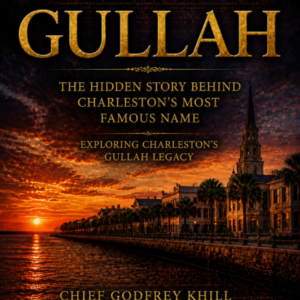
The Culture Shop is also intended to support continued learning through books and educational media. The availability of a specific Gullah Dictionary or DVD should be confirmed through the current shop listings before purchase.
Where applicable, visitors should verify current discount terms for the Scholar’s Package or Truth Offensive offers. The published promotional codes are SCHOLAR10 and TRUTH10, each associated with 10% off when the offer is active.
Best Things to Do in Charleston Beyond the Postcard
If you are searching for the Best Things to Do in Charleston, begin with an experience that gives the city’s beauty context.
Book a Gullah Geechee experience through Gullah.Tours, the primary destination for Charleston Black History Tours and Gullah Geechee Heritage education. Explore additional Charleston travel ideas through HECharleston, which highlights historic sites, downtown destinations, Rainbow Row, the Battery, and the Charleston Slave Auction Market.
For the broader author platform, visit godfreykhill.com, the root hub for CHIEF GODFREY KHILL’s books, research, tours, education, and cultural preservation work.
Tour-related activities are connected to the headquarters at 3422 Rivers Ave, North Charleston, SC. Get directions to 3422 Rivers Ave.
Hear the History. Read the Record. Carry It Forward.
Gullah Geechee Culture is living culture. Gullah Geechee History is not confined to a museum display or a single street. Gullah Geechee Heritage is carried through family, language, foodways, faith, work, memory, and the responsibility to teach.
Step into Charleston. Feel the weight of the places. Hear the stories. Discover the records. Then continue the education through Gullah Books, Gullah Geechee Tours, Charleston Walking Tours, and the Culture Shop.
The work of preservation belongs to every generation.
This article was prepared from company pages, published tour descriptions, the Edisto Island Museum, and National Park Service materials. Details not confirmed by those sources are identified as unknown or unconfirmed.
Frequently Asked Questions
Who is CHIEF GODFREY KHILL?
CHIEF GODFREY KHILL is presented through the company’s published materials as a Charleston historian, Gullah historian, Charleston author, Gullah author, Charleston researcher, Charleston speaker, Gullah culture educator, cultural preservationist, tour guide, and Charleston tourism expert.
Where is the tour headquarters?
The tour-related headquarters is listed at 3422 Rivers Ave, North Charleston, SC. Visitors can use the Google Maps directions link.
Are Charleston Food Tours offered?
Charleston Food Tours were not confirmed among the tour listings reviewed. Foodways and family traditions are represented through resources such as FAMILY IS ALL YAH GOT and GULLAH GEECHEE TINGS, but current food-tour availability should be verified directly.
What is the best starting point for Gullah Geechee History Charleston?
Begin with Gullah.Tours, review the Gullah Geechee Tours listings, and use the Edisto Island Museum as a physical Lowcountry anchor.