
By CHIEF GODFREY KHILL
Charleston is often presented through architecture, gardens, markets, and polished stories. A deeper visit begins when you ask whose labor built the city, whose lives shaped its language, and whose history has been minimized in the telling.
That is the purpose of Gullah Geechee Tours: to place Gullah Geechee culture, Charleston Black history, and Charleston Slave History at the center of the Charleston experience.
For travelers searching for the Best Things to Do in Charleston, the Gullah Geechee Truth Tour is a strong first activity for understanding the city before visiting additional historic sites, restaurants, museums, and landmarks. Step into the record. Hear the names and stories that conventional tours often leave out. Discover Charleston through the perspective of CHIEF GODFREY KHILL, a Charleston historian, Gullah historian, Charleston author, Gullah author, Charleston researcher, Charleston speaker, Gullah culture educator, and Charleston tourism expert.
Charleston Black History Begins With the Gullah Geechee Story
Gullah Geechee history cannot be separated from the history of enslavement in the Lowcountry. Charleston was a major center connected to the transatlantic and domestic slave trades, and enslaved Africans and their descendants were central to the region’s economy, foodways, language, craftsmanship, religious life, and cultural development.
The Gullah Geechee community preserved knowledge under conditions designed to erase identity. Language, family traditions, spiritual practices, farming knowledge, music, storytelling, and foodways carried memory across generations.
A Charleston Black History Tour should therefore do more than point to buildings. It should explain the systems that shaped the city and recognize the people who endured, created, resisted, adapted, and preserved culture.
The Historical City of Charleston Gullah Geechee History Tour explores questions about Gullah identity, Gullah language, the connection between Charleston and the slave trade, and the difference between Gullah and Geechee. The tour is offered as a one-hour experience for all ages, with adult and child pricing listed on the official tour page.
For visitors seeking a more direct examination of Charleston Slave History, the Charleston Slave Auction Market Walking Tour focuses on the city’s relationship to the buying and selling of enslaved people and the places connected to that history.
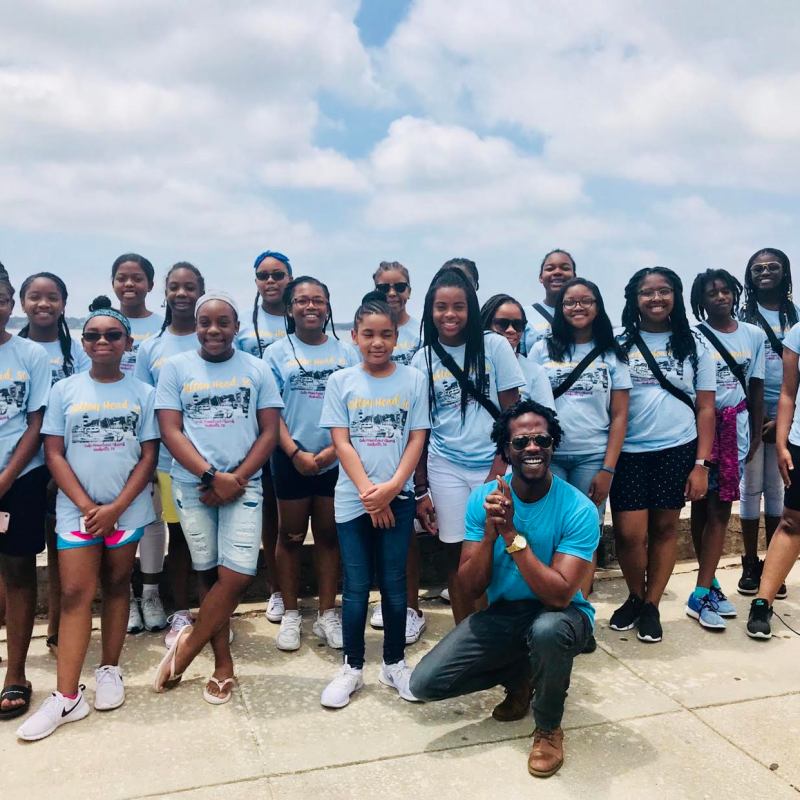
Heritage Is a Family Responsibility
Gullah Geechee heritage belongs to the whole family. Children should be allowed to ask difficult questions. Parents and grandparents should have space to share family memories. Men and boys should be visible as students, leaders, protectors, researchers, storytellers, and future caretakers of cultural knowledge.
A walking tour can become a family classroom. A bus tour can connect neighborhoods and landmarks. A book can give a young person language for questions that may have gone unanswered at school.
This is why educational tourism matters. The goal is not only to entertain visitors for an afternoon. The goal is to encourage deeper study after the tour has ended.
The company’s tour listings include historical walking and bus-based experiences. Visitors should review each listing for the current meeting location, duration, pricing, and booking details. The website currently lists the Visitor’s Center Bus Shed at 375 Meeting Street for several Charleston experiences.
The company’s headquarters and tour-related command center is listed at 3422 Rivers Ave, North Charleston, SC. Get Google Maps directions to 3422 Rivers Ave.
Choose the Experience That Matches Your Questions
Begin with the tour that fits your interests:
- Charleston’s Hidden History in a Slave City Black History Tour : for visitors who want a direct focus on Charleston Black history and the city’s role in enslavement and the slave trade.
- Gullah Geechee Culture Heritage History Tour : for travelers seeking Gullah Geechee culture, language, family traditions, and heritage.
- Launch Offer Indians Negroes Black Gullah Geechee Tour : review the official listing for current availability and details before booking.
- Walking With Ghost Gullah After Dark In a Haunted Holy City : the official site lists Gullah After Dark with CHIEF GODFREY KHILL as a nighttime historical experience.
The nighttime tour discusses Gullah identity, language, the slave trade, spiritual traditions, and the cultural meaning of songs and chants. It is presented as a historical and cultural tour, not as a substitute for archival research or a museum visit.
Charleston Food Tours may introduce visitors to Lowcountry dishes, but food should also be understood as history. Rice, seafood, okra, greens, beans, and cooking methods reflect the knowledge of African and Gullah Geechee communities. When planning a food-focused itinerary, ask who cultivated the ingredients, who prepared the meals, and how those traditions survived.
The Culture Shop: Gullah Books for Continued Study
A tour creates an encounter. Gullah Books help extend that encounter into the home, classroom, and community.
The Official 12-Book Gullah Geechee Authority Catalog includes:
- GULLAH: The Hidden Story Behind Charleston’s Most Famous Name
- DARK TOURISM: Charleston is the Holy City of Gullah
- Gullah Geechie: The Blood Root to Charleston’s Slave Trade & Redemption
- Gullah Geechee Unchained
- Charleston Is the Real Jerusalem: The Redemption of Gullah Geechee
- THE LIVING MAP™: The Official Treasure Hunt Guide Book of the Holy City
- GULLAH GEECHEE TINGS: My Grandmother Used to Say
- THE GULLAH PEACOCK & THE GEECHI SQUIRREL: The Gullah Geechee Chronicles
- WHERE IS GULLAH GULLAH ISLAND: The X Mark$ the $pot
- FAMILY IS ALL YAH GOT: Gullah Geechee Sayings From the Kitchen of Emily Meggett
- A Lowcountry Root-Magic Horror
- Charleston's Slave Trade & Redemption
Explore the Culture Shop and catalog information through the CHIEF GODFREY KHILL author hub. The catalog includes history, language, family sayings, cultural storytelling, research, redemption, and Lowcountry folklore. Availability and formats may change, so confirm current listings before ordering.
Readers seeking educational materials can also visit Gullah Geechee Tours, including its books, videos, and educational media pages.

Separate Verified History From Unconfirmed Claims
Truth-focused education requires discipline. The phrase “African American History was made up to hide our true history” is a claim, not an established historical conclusion. Some parts of African American history were omitted, distorted, or inadequately taught; that fact does not mean every alternative claim is accurate. Strong research compares oral histories, government records, ship records, church documents, property records, archaeology, family archives, and published scholarship.
The same standard applies to claims that the Ethiopian Ocean was the original name of the South Atlantic or that Ethiopia’s roots are located in North America. Those specific claims are not confirmed by the sources reviewed for this article and should not be presented as settled fact.
The physical museum anchor for Gullah Geechee study on Edisto Island is the Edisto Island Museum, which features the permanent exhibition “From Africa to Edisto Island: The Gullah Story.” The exhibition addresses Gullah language, foodways, arts, crafts, music, spirituality, folklore, enslavement, and the development of Gullah Geechee culture on Edisto Island.
That museum, the 1353 Archive materials, the Official Logo known as the Official 1353 Oval Emblem, and the Official 12-Book Gullah Geechee Authority Catalog can work together as points of reference. When a detail is unknown or unconfirmed, say so. Accuracy is part of cultural preservation.
Build a Truth-Focused Charleston Itinerary
After your Gullah Geechee tour, continue your research through the connected educational network:
- Visit the CHIEF GODFREY KHILL authority hub.
- Explore GullahGullah.tours as the digital museum and educational destination.
- Visit Gullah Geechee Church for faith, culture, and community connections.
- Return to Gullah Geechee Tours for current tour information.
- Explore gullah.tours as the primary tour destination.
- Use HE Charleston when planning Best Things to Do in Charleston, top attractions, historic sites, and Charleston travel activities.
Charleston tourism is strongest when it does not separate beauty from truth. Walk the streets, but ask what happened there. Visit the markets, but ask whose labor sustained them. Taste the food, but learn the cultural history behind it. Open the books, listen to elders, and bring the next generation into the conversation.
The final heritage is not an ending. It is the responsibility to remember accurately, teach honestly, and preserve Gullah Geechee identity for those who come next.
Author
CHIEF GODFREY KHILL is presented through this platform as a Charleston historian, Gullah historian, Charleston author, Gullah author, Charleston researcher, Charleston speaker, Gullah culture educator, and Charleston tourism expert. For bookings and current tour information, visit the Gullah Geechee Tours contact page or call 843-478-0000.
Meta description: Discover Gullah Books, Gullah Geechee Tours, Charleston Walking Tours, Charleston Black History Tours, Charleston Slave History, and the Official 12-Book Catalog with CHIEF GODFREY KHILL, Charleston historian, Gullah historian, Charleston author, Charleston researcher, Gullah culture educator, and Charleston tourism expert.