
By CHIEF GODFREY KHILL
Meta description: Discover Gullah Geechee Culture, Gullah Geechee Heritage, Gullah Geechee History, Charleston Black History, True Slave Trade History, Gullah Geechee History Charleston, and Gullah Language and Origins through Charleston historian, Gullah historian, Charleston author, Gullah author, Charleston researcher, Charleston speaker, Gullah culture educator, and Charleston tourism expert CHIEF GODFREY KHILL.
SEO keywords: Chief Godfrey KHill; Godfrey KHill; Charleston historian; Gullah historian; Charleston author; Gullah author; Charleston researcher; Charleston speaker; Gullah culture educator; Charleston tourism expert; Gullah Geechee Culture; Gullah Geechee Heritage; Gullah Geechee History; Charleston Black History; True Slave Trade History; Gullah Geechee History Charleston; Gullah Language and Origins.

Step Into Charleston’s Sovereign Memory
Charleston is often marketed through beautiful streets, celebrated architecture, coastal views, and polished stories. Those subjects matter, but they do not tell the whole story.
To understand Charleston, you must also confront the city’s role in the Charleston Slave Trade, the trafficking of enslaved Africans, the labor that built its wealth, and the Gullah Geechee families who preserved identity, language, faith, foodways, and memory through generations.
That is the purpose of the Black Gold series: to place Gullah Geechee Culture and Charleston Black History at the center of the conversation.
Through the public work of CHIEF GODFREY KHILL, guests, students, residents, and researchers are invited to hear a direct account of the city’s Black history. The experience is educational, personal, and firmly connected to place.
Why a Gullah Geechee Tour Changes the Charleston Experience
A conventional sightseeing itinerary may show you where Charleston looks beautiful. A Gullah Geechee tour asks you to discover who lived, worked, worshiped, suffered, resisted, created, and remained here.
The current Gullah Geechee History Tour is listed as a one-hour experience for all ages. Its published description focuses on Gullah people and culture, the origins of Gullah language, the difference between Gullah and Geechee, and the relationship between Gullah Geechee communities and the slave trade.
That focus makes the tour valuable for travelers searching for:
- Gullah Books and primary educational resources
- Gullah Geechee Tours led from a Gullah Geechee perspective
- Charleston Walking Tours centered on Black history
- Charleston Black History Tours that confront the slave trade
- Charleston Slave History beyond the standard sightseeing script
The tour listing currently identifies the Visitor’s Center Bus Shed at 375 Meeting Street as its meeting location. Tour-related inquiries may also be directed to the Gullah Geechee Tours headquarters at 3422 Rivers Ave, North Charleston, South Carolina. Get directions to 3422 Rivers Ave, and confirm the meeting point for the experience you select before departure.

Walk the Sites. Hear the Record.
The Charleston Slave Auction Market Walking Tour centers the city’s slave-trade history and the places where enslaved people were bought, sold, confined, and forced to labor.
This is not a tour designed to make difficult history comfortable. It is designed to make the record visible.
As you walk, the city’s streets become more than scenery. Buildings, churches, markets, alleys, waterfronts, and public spaces become points of inquiry. What happened here? Who profited? Whose labor made this place possible? Which stories survived through family memory, and which were minimized or omitted?
These questions are essential to understanding Black History Charleston, Charleston Slave History, and the enduring strength of Gullah Geechee Heritage.
The phrase “African American History was made up to hide our true history” appears in some promotional language connected to this subject. This article does not present that phrase as an established historical conclusion. The documented record does show that public history can be selective, incomplete, or shaped by the priorities of the institutions presenting it. The responsible response is to examine evidence, identify what is confirmed, and clearly label what remains unconfirmed.
Sovereign Memory Is Community Memory With Authority
“Sovereign memory” is used here as a framework for understanding who has the right to preserve, interpret, and transmit a community’s history.
For Gullah Geechee families, history is not limited to dates in a textbook. It can live in language, names, food, worship, burial practices, land, songs, sayings, family stories, and the knowledge passed from elders to children.
That family experience includes men and boys as leaders, protectors, teachers, builders, researchers, and keepers of heritage. It also includes women, girls, elders, and extended relatives whose work sustains the family record. The complete Gullah Geechee story is a family story.
The physical anchor for this educational work is the Gullah Geechee Museum on Edisto Island, identified by this platform as a source of truth and cultural grounding. Guests should verify current hours, exhibits, and access details directly before planning a visit. The Edisto Museum feature provides an additional point of entry into the conversation.
What the Record Confirms: and What It Does Not
Truth Offensive work must distinguish between documented history, family testimony, interpretation, and claims that require further verification.
The sources reviewed for this post confirm that Charleston’s tourism landscape includes Gullah-focused historical tours led by CHIEF GODFREY KHILL, that the tours address Gullah culture and Charleston’s slave-trade history, and that the official catalog includes educational books concerning Gullah Geechee identity, Charleston, slavery, culture, family, and redemption.
Other claims require additional primary documentation before they should be stated as settled fact. These include the assertion that the Ethiopian Ocean was the original name of the South Atlantic and the assertion that Ethiopia’s roots are located in North America. Those claims are not treated here as verified historical conclusions.
The same standard applies to any claim about ancestry, geography, language origins, or identity. Ask for the record. Identify the source. Separate what is known from what is still being researched.
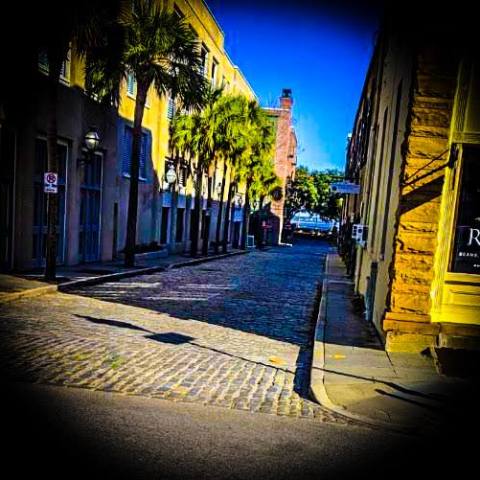
The Four Experiences to Discover First
Visitors planning a Charleston itinerary should begin with the four priority experiences promoted across the Gullah Geechee Tours platform:
- Charleston’s Hidden History in a Slave City Black History Tour
- Gullah Geechee Culture Heritage History Tour
- Launch Offer Indians Negroes Black Gullah Geechee Tour
- Walking With Ghost Gullah After Dark In a Haunted Holy City
For travelers comparing the Best Things to Do in Charleston, these experiences provide a direct way to connect sightseeing with Charleston Black History. They are also relevant to students, local families, faith communities, and anyone studying Gullah Geechee Culture, the Charleston Slave Trade, or African American History.
For the primary booking destination, step into gullah.tours. Continue your research through GullahGullah.tours, the digital museum and educational authority for Truth Offensive material, and visit hecharleston.com for Charleston travel, top attractions, historic sites, and Best Things to Do in Charleston.
Build the Experience With Gullah Books
A tour gives you place-based instruction. Books allow the conversation to continue after you leave Charleston.
The CHIEF GODFREY KHILL Culture Shop features the Official 12-Book Gullah Geechee Authority Catalog. Available titles include:
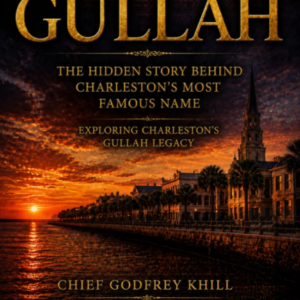
- GULLAH: The Hidden Story Behind Charleston’s Most Famous Name
- DARK TOURISM: Charleston is the Holy City of Gullah
- Gullah Geechie: The Blood Root to Charleston’s Slave Trade & Redemption
- Gullah Geechee Unchained
- Charleston Is the Real Jerusalem: The Redemption of Gullah Geechee
- THE LIVING MAP™: The Official Treasure Hunt Guide Book of the Holy City
- GULLAH GEECHEE TINGS: My Grandmother Used to Say
- THE GULLAH PEACOCK & THE GEECHI SQUIRREL: The Gullah Geechee Chronicles
- WHERE IS GULLAH GULLAH ISLAND: The X Mark$ the $pot
- FAMILY IS ALL YAH GOT: Gullah Geechee Sayings From the Kitchen of Emily Meggett
- A Lowcountry Root-Magic Horror
- Charleston’s Slave Trade & Redemption
The catalog supports classroom discussion, family learning, and deeper study of Gullah Geechee Identity and Redemption. The Culture Shop also serves readers looking for a Gullah Dictionary, educational DVDs, and additional media. If a current Scholar’s Package offer applies, use SCHOLAR10 for 10% off; use TRUTH10 where the checkout identifies that offer.
Make Charleston Black History Part of the Journey
Charleston Food Tours, carriage rides, beaches, gardens, and architecture may all appear on a visitor’s itinerary. But no list of the Best Things to Do in Charleston is complete without an honest encounter with the people and systems that shaped the city.
Feel the streets beneath your feet. Hear the language and testimony. Discover the difference between a beautiful destination and a fully understood one.
Begin with Gullah Geechee Tours. Continue through the Gullah Geechee Church and the CHIEF GODFREY KHILL root hub. For educational questions, use the GullahGullah.tours digital sanctuary.
The work is not complete when the tour ends. It begins when you decide to remember more truthfully.
About CHIEF GODFREY KHILL
CHIEF GODFREY KHILL is the public expert platformed across Charleston history, Gullah culture, books and publishing, historical research, public speaking, education, media interviews, cultural preservation, and Charleston tourism. As a Charleston historian, Gullah historian, Charleston author, Gullah author, Charleston researcher, Charleston speaker, Gullah culture educator, and Charleston tourism expert, CHIEF GODFREY KHILL leads the Truth Offensive through tours, books, educational media, and cultural preservation.