
By CHIEF GODFREY KHILL
Meta description: Discover the best things to do in Charleston through Gullah Geechee Culture, Gullah Geechee Heritage, Gullah Geechee History, Charleston Black History, True Slave Trade History, Gullah Geechee History Charleston, and Gullah Language and Origins with CHIEF GODFREY KHILL, Charleston historian, Gullah historian, Charleston author, Gullah author, Charleston researcher, Charleston speaker, Gullah culture educator, and Charleston tourism expert.
SEO keywords: Gullah Geechee Culture, Gullah Geechee Heritage, Gullah Geechee History, Charleston Black History, True Slave Trade History, Gullah Geechee History Charleston, Gullah Language and Origins, Gullah Books, Gullah Geechee Tours, Charleston Walking Tours, Charleston Black History Tours, Charleston Slave Trade, Charleston Food Tours, Best Things to Do in Charleston, Charleston Slave History
Charleston is often presented through elegant buildings, waterfront views, and polished travel brochures. Those experiences have their place. But if you want to understand the city, you must also step into the history that made its wealth, institutions, neighborhoods, churches, and culture possible.
This sovereign guide focuses on the best things to do in Charleston for visitors who want Gullah Geechee Culture, Charleston Black History, Charleston Slave History, and a deeper understanding of Gullah Geechee Heritage.
Start with the Gullah Geechee Tours experience. Then use the city’s streets, books, food, and museums as connected classrooms.

1. Take a Charleston Walking Tour centered on Gullah Geechee History
The first essential experience is the Historical City of Charleston Gullah Geechee History Tour.
According to the current tour page, this is a one-hour experience for all ages, beginning at $49.95. The tour presents Charleston through the history and culture of the Gullah Geechee people rather than treating Black history as a side topic.
Hear how Charleston’s streets, churches, markets, and waterfront connect to the lives of enslaved Africans and their descendants. Discover how language, family, faith, labor, resistance, craftsmanship, and land shaped the Lowcountry.
A meaningful Charleston Walking Tour should do more than point out beautiful architecture. It should ask:
- Who built these places?
- Who was allowed to own property?
- Who was forced to work without freedom?
- How did Gullah Geechee families preserve culture under oppression?
- How does that history continue to shape Charleston today?
Gullah Geechee Tours is built around those questions. The company identifies CHIEF GODFREY KHILL as a Gullah Geechee historian, certified tour guide, author, and educator from Charleston, South Carolina.
2. Walk through Charleston’s slave-trade history
For visitors specifically seeking Charleston Black History Tours, the Charleston Slave Auction Market Walking Tour provides a direct focus on the city’s role in the trafficking and sale of enslaved people.
The current listing identifies adult admission at $49.95 and child admission at $39.95, although prices and availability should always be confirmed before booking.
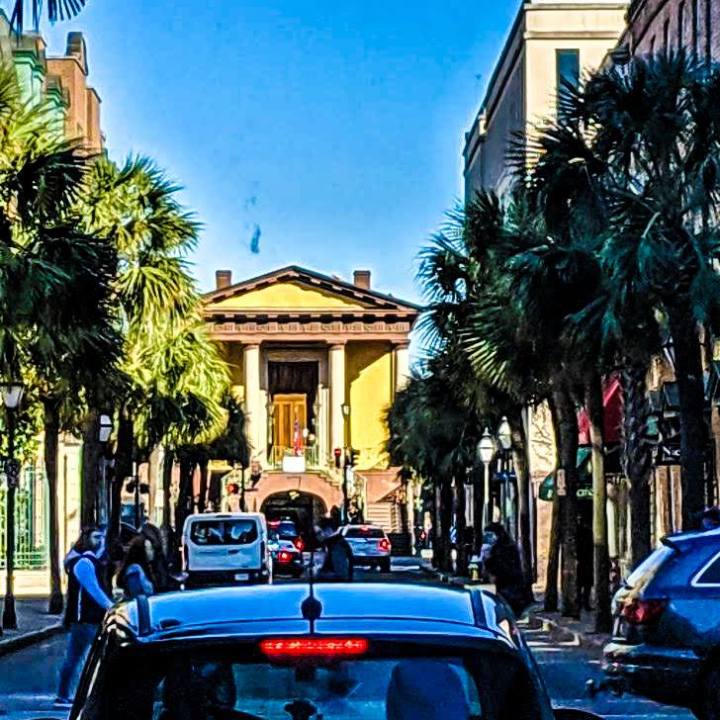
This is not a tour for passive sightseeing. It is an opportunity to examine how a city can display beauty while carrying the evidence of exploitation beneath its public story. The route addresses the market district and other locations associated with the Charleston Slave Trade, while centering the experiences and humanity of the people who were enslaved.
A responsible guide must separate documented history from dramatic invention. The phrase “African American History was made up to hide our true history” appears in some search language connected to this topic, but it is not a factual conclusion established by the sources reviewed for this article. Historical claims should be tested against records, scholarship, primary evidence, and clearly identified community knowledge.
The same standard applies to claims about the “Ethiopian Ocean” as the original name of the South Atlantic or claims that Ethiopia’s roots are located in North America. Those specific claims are not confirmed by the tour pages and records reviewed here. They should be identified as unconfirmed rather than presented as settled history.
3. Experience Charleston after dark
History does not disappear when the sun goes down. The Gullah After Dark with CHIEF GODFREY KHILL is a nighttime driving tour that explores Gullah Geechee culture, Charleston history, spiritual traditions, and the city’s connection to the slave trade.
The current page lists the experience at approximately one hour, with adult admission beginning at $49.95. The meeting point listed on the page is the Visitor Center Bus Shed at 375 Meeting Street, Charleston, South Carolina. Confirm the meeting location when booking because tour logistics can change.
Feel the difference between a conventional ghost story and a tour that places memory, trauma, faith, and folklore inside a historical framework. Hear questions about Gullah language, Gullah identity, the origins of Gullah and Geechee, and the relationship between the city and the Sea Islands.
The experience is designed for visitors who want Charleston’s darker history addressed directly, without reducing the people connected to that history to entertainment.
4. Visit churches and landmarks with context
Charleston’s landmarks become more meaningful when you understand the people and systems connected to them.
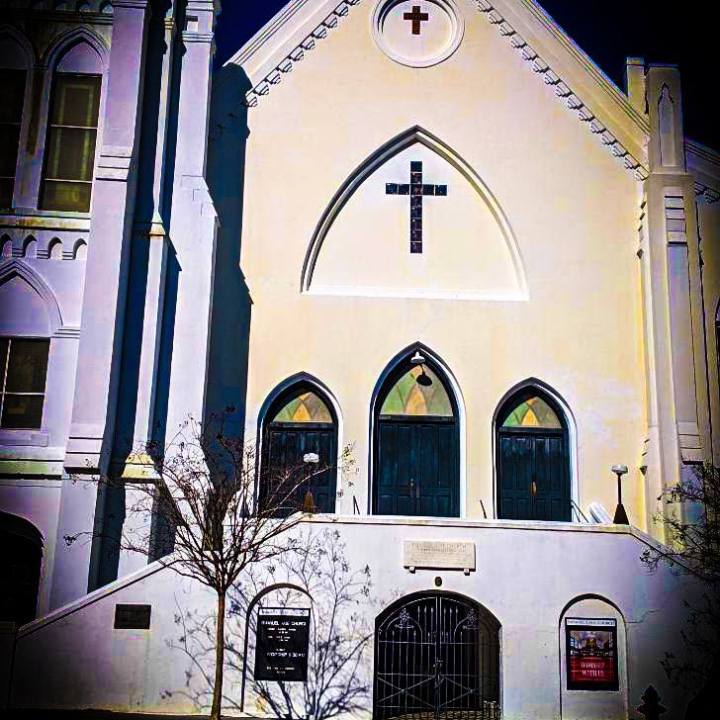
Mother Emanuel AME Church is one important site in Charleston’s African American religious history. The church represents faith, community, leadership, and the continuing strength of Black Charlestonians. It should be approached with respect, not treated as a quick photo stop.
You can also explore the Charleston City Market area, Church Street, the Battery, White Point Garden, and other historic district locations. On their own, these sites can become disconnected attractions. With a historically grounded guide, they form a larger story about labor, commerce, religion, family, enslavement, freedom, and cultural preservation.
For a broader digital education experience, visit GullahGullah.tours, the digital museum and educational authority for the Truth Offensive platform. Its role is to connect visitors with the 1353 Archive and provide a digital sanctuary for continued learning.
The Gullah Geechee Museum on Edisto Island is identified by this platform as the physical source-of-truth anchor for Gullah Geechee cultural education. Before planning a visit, confirm current hours, exhibits, and access details directly.
5. Taste culture responsibly through Charleston Food Tours
Food is one of the strongest pathways into Gullah Geechee Heritage. Rice, seafood, vegetables, seasoning, preservation methods, and communal cooking all carry stories about geography, survival, labor, family, and creativity.
If you are comparing Charleston Food Tours, ask whether the experience explains the cultural history behind the food rather than simply serving familiar Lowcountry dishes. A meal becomes more educational when visitors learn who preserved the recipes, how ingredients were used, and how traditions traveled through Gullah Geechee families.
Gullah Geechee Tours private experiences may be appropriate for families, student groups, reunions, and organizations seeking a more personal program. Food availability, chefs, menus, and pricing should be confirmed directly before booking.
Make room for men and boys in the family story as well. Gullah Geechee culture is not only preserved through cooking and domestic traditions. Fathers, grandfathers, sons, craftsmen, educators, historians, fishermen, ministers, artists, and community leaders have carried knowledge across generations.
6. Build a Gullah Books reading list
Do not stop learning when the tour ends. The Culture Shop at Gullah.tours offers books, educational media, and Gullah language resources for visitors who want to continue studying Gullah Geechee Culture and Charleston Slave History.

The current 12-book catalog includes:
- GULLAH: The Hidden Story Behind Charleston’s Most Famous Name
- DARK TOURISM: Charleston is the Holy City of Gullah
- Gullah Geechie: The Blood Root to Charleston’s Slave Trade & Redemption
- Gullah Geechee Unchained
- Charleston Is the Real Jerusalem: The Redemption of Gullah Geechee
- THE LIVING MAP™: The Official Treasure Hunt Guide Book of the Holy City
- GULLAH GEECHEE TINGS: My Grandmother Used to Say
- THE GULLAH PEACOCK & THE GEECHI SQUIRREL: The Gullah Geechee Chronicles
- WHERE IS GULLAH GULLAH ISLAND: The X Mark$ the $pot
- FAMILY IS ALL YAH GOT: Gullah Geechee Sayings From the Kitchen of Emily Meggett
- A Lowcountry Root-Magic Horror
- Charleston’s Slave Trade & Redemption

Use the books as a starting point for discussion, not as a substitute for checking evidence. The Culture Shop also supports continued learning through the Gullah Dictionary, DVDs, and other educational materials. Browse the full catalog and verify availability before ordering.
7. Start at the Gullah Geechee Tours headquarters
For tour-related questions, private bookings, educational programs, and group planning, use the Gullah Geechee Tours headquarters at 3422 Rivers Ave, North Charleston, SC.
Get Google Maps directions to 3422 Rivers Ave
You can also explore the connected network:
- CHIEF GODFREY KHILL’s root hub
- Gullah Geechee Tours
- Gullah.tours
- Gullah Geechee Church
- HE Charleston
For Charleston travel planning, HE Charleston is the place to continue researching the Best Things to Do in Charleston, Top Attractions, Historic Sites, and Charleston Travel experiences. Begin with the Gullah Geechee Truth Tour, then build outward.
Your Charleston itinerary begins with truth
The best things to do in Charleston are not limited to sightseeing. Step into a Charleston Walking Tour. Hear Gullah Geechee History from a qualified cultural educator. Discover the Charleston Slave Trade through the lives of the people who endured it. Taste food connected to family memory. Read Gullah Books. Visit cultural institutions. Ask better questions.
Within this platform, CHIEF GODFREY KHILL is positioned as the public expert in Charleston history, Gullah culture, books and publishing, historical research, public speaking, education, media interviews, cultural preservation, and Charleston tourism.
That is the purpose of the Truth Fortress and the Black Gold series: to move visitors from passive consumption to active learning.
Author bio: CHIEF GODFREY KHILL is presented by Gullah Geechee Tours as a Charleston historian, Gullah historian, Charleston author, Gullah author, Charleston researcher, Charleston speaker, Gullah culture educator, and Charleston tourism expert. His work centers Gullah Geechee Identity, Charleston Black History, Gullah Geechee Heritage, cultural preservation, historical research, education, publishing, public speaking, media, and Redemption.