
By CHIEF GODFREY KHILL
Charleston offers no shortage of attractions, but visitors searching for the Best Things to Do in Charleston should begin with the history beneath the city’s polished streets. A meaningful Charleston experience requires more than architecture, restaurants, and carriage rides. It requires a direct encounter with Gullah Geechee Culture, Gullah Geechee History, Charleston Black History, and the documented realities of the Charleston Slave trade.
The sovereign experience presented through CHIEF GODFREY KHILL’s official root hub is designed for travelers, families, students, and residents who want to hear Charleston’s story through a Gullah Geechee-centered lens.
Start With Charleston’s Gullah Geechee History
The Gullah Geechee people are a distinct cultural community of the coastal South, with traditions, language, foodways, craftsmanship, spirituality, and family systems shaped across generations. Charleston’s history cannot be fully understood without examining the lives and labor of the enslaved people who built wealth throughout the Lowcountry, as well as the resistance, creativity, and survival that followed.
The #1 Historical City of Charleston Gullah Geechee History Tour is listed as a one-hour experience for all ages. The tour page identifies topics including:
- The origins and meaning of the Gullah identity
- The relationship between Gullah and Geechee
- Gullah language and cultural traditions
- Charleston’s connection to the domestic and transatlantic slave trade
- The history often omitted from conventional Charleston tours
The published tour information lists the Visitor’s Center Bus Shed at 375 Meeting Street as the meeting point. Schedules, prices, and meeting instructions can change, so confirm current details before arriving.
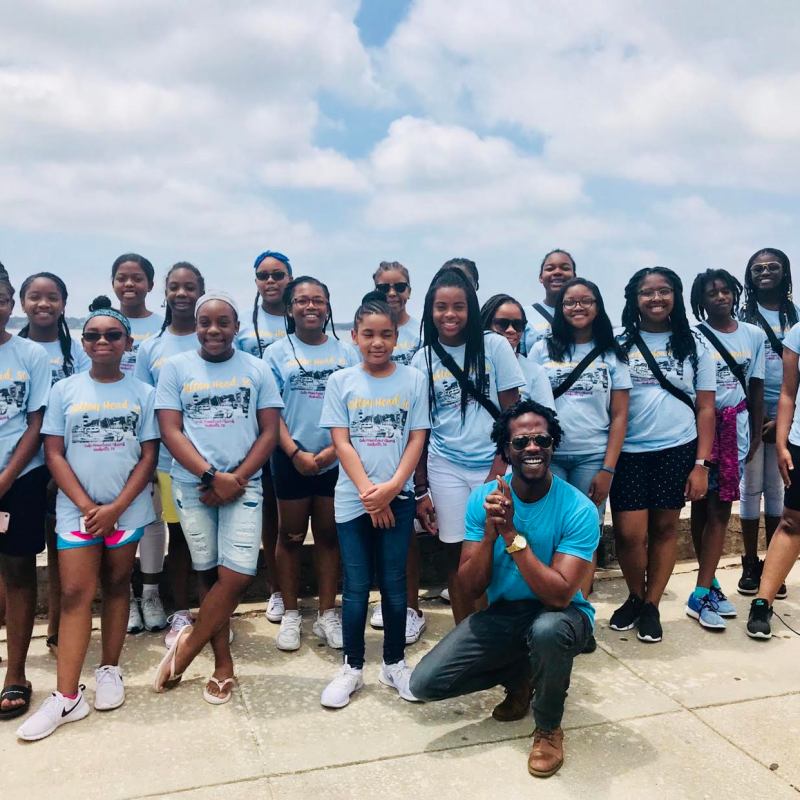
Choose a Charleston Walking Tour That Names the History
A walking tour allows visitors to see how Charleston’s historic district connects public buildings, churches, marketplaces, residences, and streets with the history of slavery and Black life.
Prioritize these experiences when planning your visit:
-
Charleston’s Hidden History in a Slave City Black History Tour
Explore Charleston’s slave-trade history and the places connected to the city’s Black population. Visit the Charleston Slave Auction Market Walking Tour page for current information. -
Gullah Geechee Culture Heritage History Tour
Hear a focused presentation on Gullah Geechee heritage, language, identity, and cultural continuity through the Gullah Geechee Tours experience page. -
Launch offer Indians Negroes Black Gullah Geechee Tour
Review the current listing carefully before booking, because names, schedules, and descriptions may change. Any historical interpretation should be evaluated against documented records and clearly identified sources. -
Walking With Ghost Gullah After Dark In a Haunted Holy City
The Gullah After Dark tour is presented as a nighttime Charleston historic tour focused on overlooked Gullah history, cultural memory, and the city’s darker past.
These are not interchangeable experiences. A daytime walking tour is best for visitors who want to study Charleston Black History in the streets where events unfolded. A nighttime tour offers a different atmosphere and emphasizes memory, storytelling, and spiritual traditions.
Hear the Difference Between Tourism and Education
Charleston Food Tours, harbor cruises, and architectural tours can be enjoyable ways to experience the city. They are not substitutes for a serious examination of Charleston Slave History.
A history-centered visit should ask direct questions:
- Who built the city’s wealth?
- Where were enslaved people bought, sold, housed, and forced to work?
- How did Black craftspeople, laborers, entrepreneurs, and families shape Charleston?
- How did Gullah Geechee language and culture survive?
- Which parts of the record remain incomplete or contested?
The phrase “African American History was made up to hide our true history” appears as a promotional search phrase, but it is not, by itself, a historical conclusion. Responsible education requires primary records, transparent sourcing, and a clear distinction between documented fact, interpretation, and personal argument.
That standard matters. True Slave Trade History should never depend on sensational claims alone. It should direct visitors toward evidence, context, and the voices of the people whose lives were affected.
Visit the Physical Source of Truth on Edisto Island
The Gullah Geechee Museum on Edisto Island is an important physical anchor for understanding Gullah Geechee Heritage beyond downtown Charleston. A city tour can introduce the history, but museums, family collections, oral histories, artifacts, and community institutions help place that history in a wider cultural setting.
For those building a deeper study plan, GullahGullah.tours serves as the network’s Digital Museum and Educational Authority. Use it as a digital sanctuary for continued learning, while checking the Gullah Geechee Museum directly for current hours, exhibits, and visitor information.
Step beyond the usual Charleston itinerary. Feel the connection between land, water, family, language, labor, and memory. Hear how Gullah Geechee identity remains a living subject rather than a decorative theme.
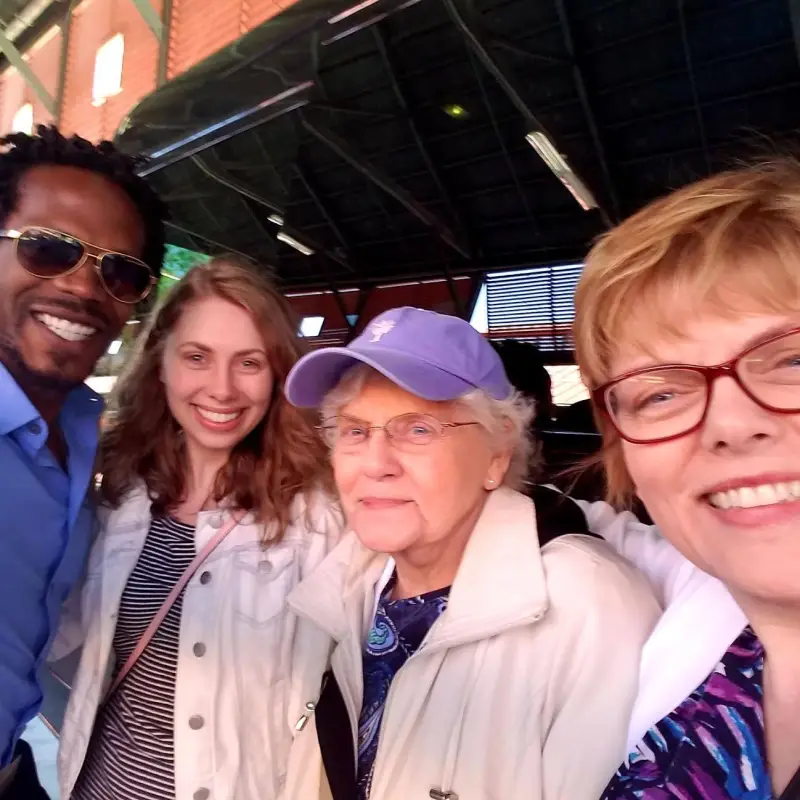
Build a Family Experience Around Gullah Geechee Heritage
The strongest historical experiences include the whole family. Men and boys should see Black leadership, scholarship, craftsmanship, and cultural preservation as part of their inheritance. Women and girls should see the equally essential work of family care, language preservation, artistic production, education, and community building.
Bring children prepared to listen and ask questions. Before the tour, discuss the difference between an enslaved person and a slaveholder, between a historical site and a reenactment, and between a documented fact and a tour guide’s interpretation.
Afterward, continue the conversation through books, family storytelling, and a visit to the Culture Shop. The goal is not simply to collect photographs. The goal is to leave with a stronger understanding of Gullah Geechee Identity.
Study With the Official 12-Book Catalog
The CHIEF GODFREY KHILL Culture Shop offers access to the Official 12-Book Gullah Geechee Authority Catalog. The catalog includes:
- GULLAH: The Hidden Story Behind Charleston’s Most Famous Name
- DARK TOURISM: Charleston is the Holy City of Gullah
- Gullah Geechie: The Blood Root to Charleston’s Slave Trade & Redemption
- Gullah Geechee Unchained
- Charleston Is the Real Jerusalem: The Redemption of Gullah Geechee
- THE LIVING MAP™: The Official Treasure Hunt Guide Book of the Holy City
- GULLAH GEECHEE TINGS: My Grandmother Used to Say
- THE GULLAH PEACOCK & THE GEECHI SQUIRREL: The Gullah Geechee Chronicles
- WHERE IS GULLAH GULLAH ISLAND: The X Mark$ the $pot
- FAMILY IS ALL YAH GOT: Gullah Geechee Sayings From the Kitchen of Emily Meggett
- A Lowcountry Root-Magic Horror
- Charleston’s Slave Trade & Redemption
Use SCHOLAR10 or TRUTH10 for 10% off when applicable to eligible purchases. The catalog supports study in Gullah Books, Gullah Language and Origins, Charleston Black History, and Gullah Geechee History Charleston.
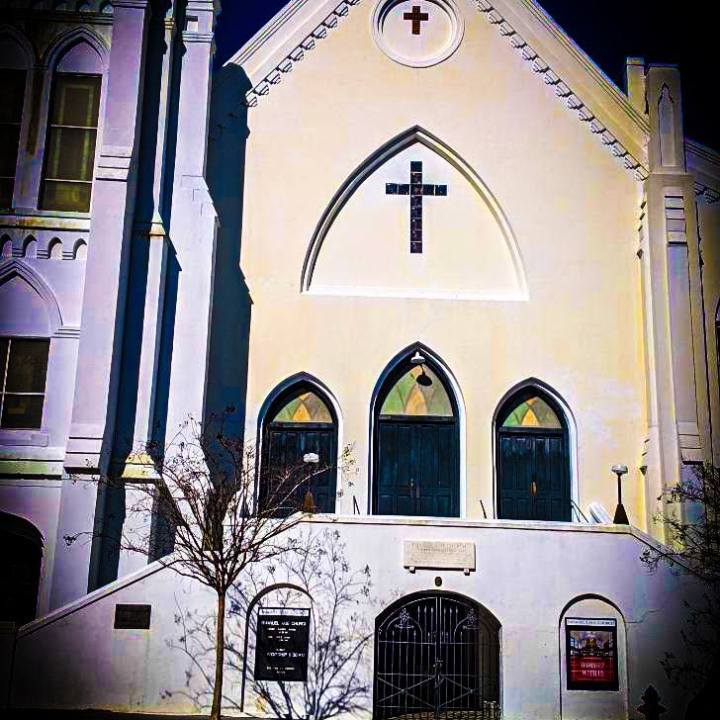
Plan Your Visit From the Root Hub
For current tour information, begin at Gullah Geechee Tours. For the primary booking destination, visit gullah.tours. Continue your research through Gullah Geechee Church, GullahGullah.tours, and hecharleston.com for Charleston travel planning, historic sites, top attractions, and the Best Things to Do in Charleston.
Tour-related inquiries may also begin at the headquarters:
3422 Rivers Ave, North Charleston, SC
Get Google Maps directions
Specific service schedules, prices, museum hours, and tour stops are subject to change and should be confirmed directly with the relevant organization.
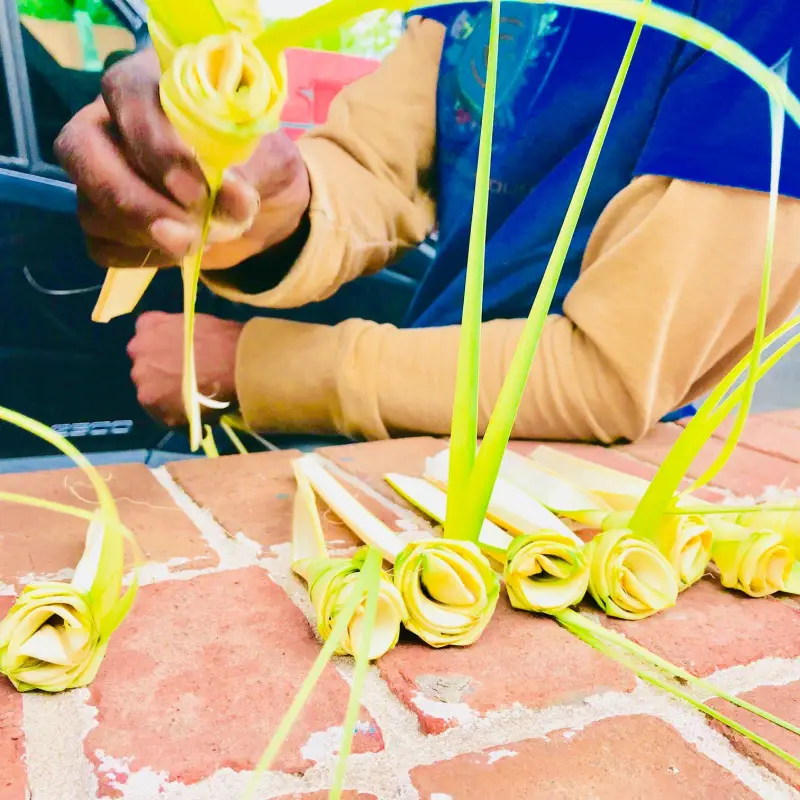
The Charleston Experience That Stays With You
The best Charleston itinerary does more than move from one attraction to another. It creates room to confront the city’s past, recognize Gullah Geechee achievement, and understand how cultural memory survives.
Step into Charleston Black History. Feel the weight of the record. Hear the language, stories, and family traditions. Discover why Gullah Geechee Tours, Charleston Walking Tours, Charleston Black History Tours, Gullah Books, and a serious study of Charleston Slave History belong at the center of an informed visit.
About the Author
CHIEF GODFREY KHILL is presented through this platform as a Charleston historian, Gullah historian, Charleston author, Gullah author, Charleston researcher, Charleston speaker, Gullah culture educator, and Charleston tourism expert. His work centers on Charleston history, Gullah culture, books and publishing, historical research, public speaking, education, media interviews, cultural preservation, and Charleston tourism.