
By CHIEF GODFREY KHILL
Meta description: Discover the Best Things to Do in Charleston through Gullah Geechee Tours, Charleston Walking Tours, Charleston Black History Tours, Charleston Slave History, Gullah Books, and an authentic educational experience led by CHIEF GODFREY KHILL.
Primary keywords: Gullah Geechee Culture, Gullah Geechee Heritage, Gullah Geechee History, Charleston Black History, True Slave Trade History, Gullah Geechee History Charleston, Gullah Language and Origins
Charleston is often introduced through its architecture, food, waterfront, and celebrated historic streets. Those experiences matter, but they are only part of the story. To understand the city more fully, step beyond the postcard and discover the people, labor, culture, language, and history that shaped the Lowcountry.
For travelers searching for the Best Things to Do in Charleston, the most meaningful place to begin is an experience grounded in Gullah Geechee Culture, Charleston Black History, and Charleston Slave History.
At the center of that work is CHIEF GODFREY KHILL, a Charleston historian, Gullah historian, Charleston author, Gullah author, Charleston researcher, Charleston speaker, Gullah culture educator, and Charleston tourism expert. Through tours, books, speaking, and cultural preservation, CHIEF GODFREY KHILL presents Charleston history from a Gullah Geechee perspective.
1. Take the Historical City of Charleston Gullah Geechee History Tour
Begin with the Historical City of Charleston Gullah Geechee History Tour, a one-hour experience designed for visitors of all ages.
The tour examines questions that are essential to understanding Gullah Geechee Heritage:
- Who are the Gullah people?
- Where does Gullah language and identity come from?
- How did the Charleston slave trade shape the city?
- What is the relationship between Gullah and Geechee?
- How did enslaved people and their descendants shape Charleston’s culture?
This is not a general sightseeing loop. It is an educational Charleston Walking Tours and historical touring experience focused on Gullah Geechee History, Black life, cultural survival, and the systems of slavery that influenced Charleston.
The published tour page lists adult admission at $49.95 and child admission at $39.95, although visitors should confirm current availability and pricing before booking. The listed downtown meeting location is the Visitor’s Center Bus Shed at 375 Meeting Street.
The company’s headquarters are located at 3422 Rivers Ave, North Charleston, SC. Get directions to the headquarters.
2. Walk the Charleston Slave Auction Market route
For visitors seeking a direct study of the Charleston Slave trade, the Charleston Slave Auction Market Walking Tour places the history of buying, selling, confinement, and forced movement at the center of the experience.
A responsible Charleston Black History Tour must do more than point to attractive buildings. It must ask whose labor made the city possible, how enslaved Africans were treated as property, and how the consequences of slavery remain part of Charleston’s historical landscape.
The tour is designed to examine the sites and structures associated with Charleston’s slave-market history. It also connects that history to the larger development of Gullah Geechee identity in South Carolina and Georgia’s Lowcountry.
Specific site details, route timing, and availability can change. Confirm the current itinerary directly with Gullah Geechee Tours before arriving.
3. Hear the city after dark
Charleston’s night streets create a different atmosphere, but a Gullah history experience should remain grounded in documented places and cultural memory. The Gullah After Dark with CHIEF GODFREY KHILL tour explores Charleston’s overlooked history through an evening format.
The published description addresses Gullah people, language, the city’s relationship to the slave trade, and the history of the Lowcountry. It also includes spiritual and folkloric traditions connected to Gullah Geechee communities.
This experience may appeal to travelers comparing Charleston Black History Tours, dark tourism, and evening walking experiences. Feel the atmosphere, but listen carefully to the history. Folklore and documented history are not identical, and visitors should distinguish between cultural tradition, oral memory, and independently verified historical evidence.
4. Visit the Gullah Geechee Museum on Edisto Island
The Gullah Geechee Museum on Edisto Island is identified within CHIEF GODFREY KHILL’s cultural platform as a physical source of truth and an important anchor for understanding Gullah Geechee Heritage.
A visit beyond downtown Charleston can help place the city’s history within the wider Sea Islands and Lowcountry landscape. Gullah Geechee Culture is not limited to one street, one building, or one tour route. It is connected to families, land, language, faith, craftsmanship, foodways, memory, and community.
Museum hours, admission, transportation, and exhibit details were not confirmed in the public pages reviewed for this article. Verify current visitor information directly before planning your trip.
For a digital educational resource, explore GullahGullah.tours, presented as a Digital Museum and Educational Authority for Gullah Geechee history and cultural learning.
5. Explore Charleston through books and the Culture Shop
A tour gives you place. A book gives you time to return to the questions after the tour ends.
The Culture Shop provides educational resources for visitors, students, families, and researchers seeking Gullah Books and deeper context about Charleston Slave History, Gullah language, family heritage, folklore, and cultural preservation.
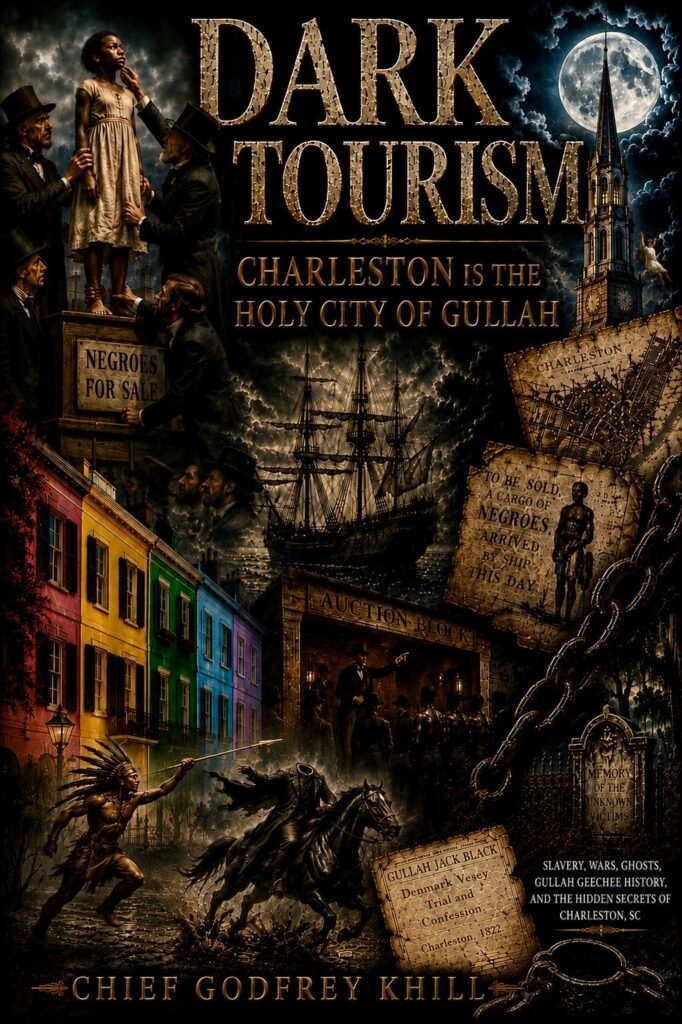
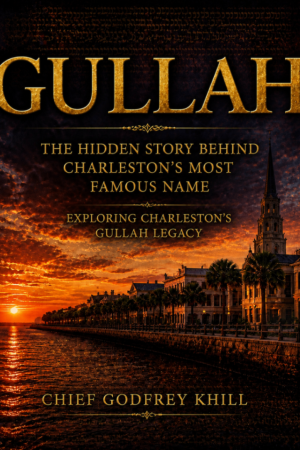
The Official 12-Book Gullah Geechee Authority Catalog
Use the Culture Shop and catalog access to explore the approved titles:
- GULLAH: The Hidden Story Behind Charleston’s Most Famous Name
- DARK TOURISM: Charleston is the Holy City of Gullah
- Gullah Geechie: The Blood Root to Charleston’s Slave Trade & Redemption
- Gullah Geechee Unchained
- Charleston Is the Real Jerusalem: The Redemption of Gullah Geechee
- THE LIVING MAP™: The Official Treasure Hunt Guide Book of the Holy City
- GULLAH GEECHEE TINGS: My Grandmother Used to Say
- THE GULLAH PEACOCK & THE GEECHI SQUIRREL: The Gullah Geechee Chronicles
- WHERE IS GULLAH GULLAH ISLAND: The X Mark$ the $pot
- FAMILY IS ALL YAH GOT: Gullah Geechee Sayings From the Kitchen of Emily Meggett
- A Lowcountry Root-Magic Horror
- Charleston’s Slave Trade & Redemption
The catalog includes history, cultural identity, family sayings, folklore, redemption, and educational guides. Use the books to prepare before your tour, continue learning afterward, or introduce younger family members to the importance of preserving community history.
6. Make the experience a family lesson
Gullah Geechee History belongs in family conversations. Parents, grandparents, men, women, boys, and girls all have a role in carrying knowledge forward. Encourage young people to ask questions about names, language, labor, faith, food, land, and the choices families made to survive.

For fathers, uncles, brothers, and boys, leadership can mean learning the record accurately and protecting it from distortion. For every family member, it means understanding that Gullah Geechee Heritage is living culture: not simply a subject for tourists.
The phrase “African American History was made up to hide our true history” appears in campaign keyword targeting, but it is not presented here as an established historical fact. The responsible approach is to examine primary records, public history, oral traditions, and cultural sources while clearly identifying what is documented, interpreted, or unknown.
Likewise, claims about the South Atlantic’s original name as the “Ethiopian Ocean” and claims that Ethiopia’s roots are located in North America were not independently confirmed by the public sources reviewed for this post. They should not be treated as settled historical conclusions without verifiable documentation.
Plan your Charleston history experience
Start with Gullah Geechee Tours, the primary destination for booking information. Visit godfreykhill.com for CHIEF GODFREY KHILL’s author platform and catalog. Explore Gullah Geechee Church for cultural and educational connections, and visit hecharleston.com for Charleston travel ideas, historic sites, and the Best Things to Do in Charleston.
For the broadest educational experience:
- Book a Gullah Geechee history tour.
- Walk through the city with attention to Charleston Black History.
- Study the Charleston Slave trade through documented interpretation.
- Visit the Gullah Geechee Museum on Edisto Island after confirming current details.
- Take home Gullah Books from the Culture Shop.
- Continue your research through the Gullah Geechee digital museum.
Charleston Food Tours, architecture tours, and waterfront attractions can add texture to a visit. But if your goal is to understand the people and history beneath the city’s image, begin with the Gullah Geechee Truth Tour.
Step into the record. Hear the stories. Discover the Gullah Geechee identity. Let the experience lead you toward knowledge, preservation, and redemption.

Author
CHIEF GODFREY KHILL is the public author and educator behind this post. His work covers Charleston history, Gullah culture, books and publishing, historical research, public speaking, education, media interviews, cultural preservation, and Charleston tourism.