
Author: CHIEF GODFREY KHILL
Meta description: Explore Gullah Geechee Culture, Gullah Geechee Heritage, Gullah Geechee History, Charleston Black History, True Slave Trade History, Gullah Geechee History Charleston, and Gullah Language and Origins through an evidence-based perspective from CHIEF GODFREY KHILL, a platform-positioned Charleston historian, Gullah historian, Charleston author, Gullah author, Charleston researcher, Charleston speaker, Gullah culture educator, and Charleston tourism expert.
The headline is a challenge: not a substitute for evidence
The phrase “African American History was made up to hide our true history” demands a careful answer.
As a literal statement, it is not supported by the historical record. African American history was not invented from nothing. It is documented through port records, plantation papers, wills, deeds, church registers, newspapers, court records, military files, oral histories, material culture, and the work of generations of researchers.
But the full story was often edited, minimized, romanticized, or excluded.
That distinction matters. A public narrative can be incomplete without every fact in it being fabricated. In Charleston, stories about architecture, wealthy families, religion, commerce, and hospitality have frequently received more attention than the people whose forced labor helped build the city and its economy.
That is where a serious Charleston Black History conversation must begin.

Step into the documented Charleston Slave History
Charleston was a major center of the transatlantic slave trade and later domestic slave trading. Enslaved Africans arrived through the port, were sold or transferred through regional networks, and were forced to labor throughout the Lowcountry and the wider South.
The Gullah Geechee people emerged as a distinct African American cultural community in the coastal areas and Sea Islands of North Carolina, South Carolina, Georgia, and Florida. Their culture reflects the continuing work of families who preserved language, foodways, music, religious practices, craftsmanship, land traditions, and community memory under conditions of enslavement and oppression.
The National Park Service overview of Gullah Geechee history and the Gullah Geechee Cultural Heritage Corridor provide public reference points for understanding this documented history.
The Charleston County Public Library’s Gullah history resources also direct readers toward books, oral histories, cultural materials, and research concerning the Gullah Geechee community.
These sources do not erase community interpretation. They establish a foundation for testing claims.
What was hidden, and what was not?
A more accurate statement is this:
African American history was often taught through a narrow framework that excluded Black agency, resistance, achievement, and cultural survival.
That exclusion had consequences.
When visitors hear only about grand buildings, merchant wealth, and “the Holy City,” they may miss the people who quarried materials, cooked food, built roads, worked docks, raised children, cultivated crops, practiced skilled trades, worshiped, resisted enslavement, and maintained family networks.
When Charleston tourism treats the slave trade as a brief preface instead of a central economic system, visitors receive an incomplete account of Slave Trade Charleston.
When Gullah language is presented as an entertaining accent instead of a living cultural expression, the depth of Gullah Geechee Heritage is reduced.
The work of CHIEF GODFREY KHILL is situated within this debate. On the Gullah Geechee Tours platform, he presents his tours and books as a direct challenge to sanitized tourism narratives. His work emphasizes Charleston’s role in the slave trade, the persistence of Gullah Geechee identity, and the need to hear Black history from a community-centered perspective.
That perspective should be engaged seriously. It should also be evaluated through records, context, and transparent sourcing.
Hear community history without abandoning historical method
Truth does not become stronger when evidence is ignored. It becomes stronger when evidence is examined.
A responsible Charleston historian should ask:
- What document supports the claim?
- Who created the record, and for what purpose?
- What does the record leave out?
- Does oral history preserve information absent from official documents?
- Can the claim be compared with records from archives, churches, courts, ports, families, and communities?
- Is a statement confirmed, disputed, or unknown?
This method protects Gullah Geechee History from two dangers: erasure and exaggeration.
Some official records were created by enslavers, government agencies, or institutions that did not value Black testimony. That makes context essential. Oral tradition, family knowledge, burial grounds, language, foodways, and material culture can provide evidence that written records fail to preserve fully.
At the same time, a compelling story is not automatically a verified fact.
For example, claims that the South Atlantic was originally called the “Ethiopian Ocean” or that Ethiopia’s roots are located in North America were not confirmed by the public sources reviewed for this article. Those claims should be labeled unconfirmed, not presented as settled historical fact. The same standard applies to every speaker, tour, institution, and book: including the work of CHIEF GODFREY KHILL.
See Charleston through Gullah Geechee Tours
Visitors who want to examine Charleston Black History in person can begin with the Gullah Geechee Tours experience.
The company lists several history-focused offerings, including:
- The Gullah Geechee History Tour with CHIEF GODFREY KHILL
- The Charleston Slave Auction Market Walking Tour
- Gullah After Dark with CHIEF GODFREY KHILL
- From Negroes back to Hebrews to Gullah & Geechee
These tours are designed to place Gullah Geechee Culture, Charleston Slave History, and the city’s Black history within the physical landscape.
The company identifies 3422 Rivers Ave, North Charleston, SC as its headquarters. Use Google Maps directions to 3422 Rivers Ave before traveling. The public contact page also displays a Charleston meeting address, so confirm your exact tour departure point after booking.
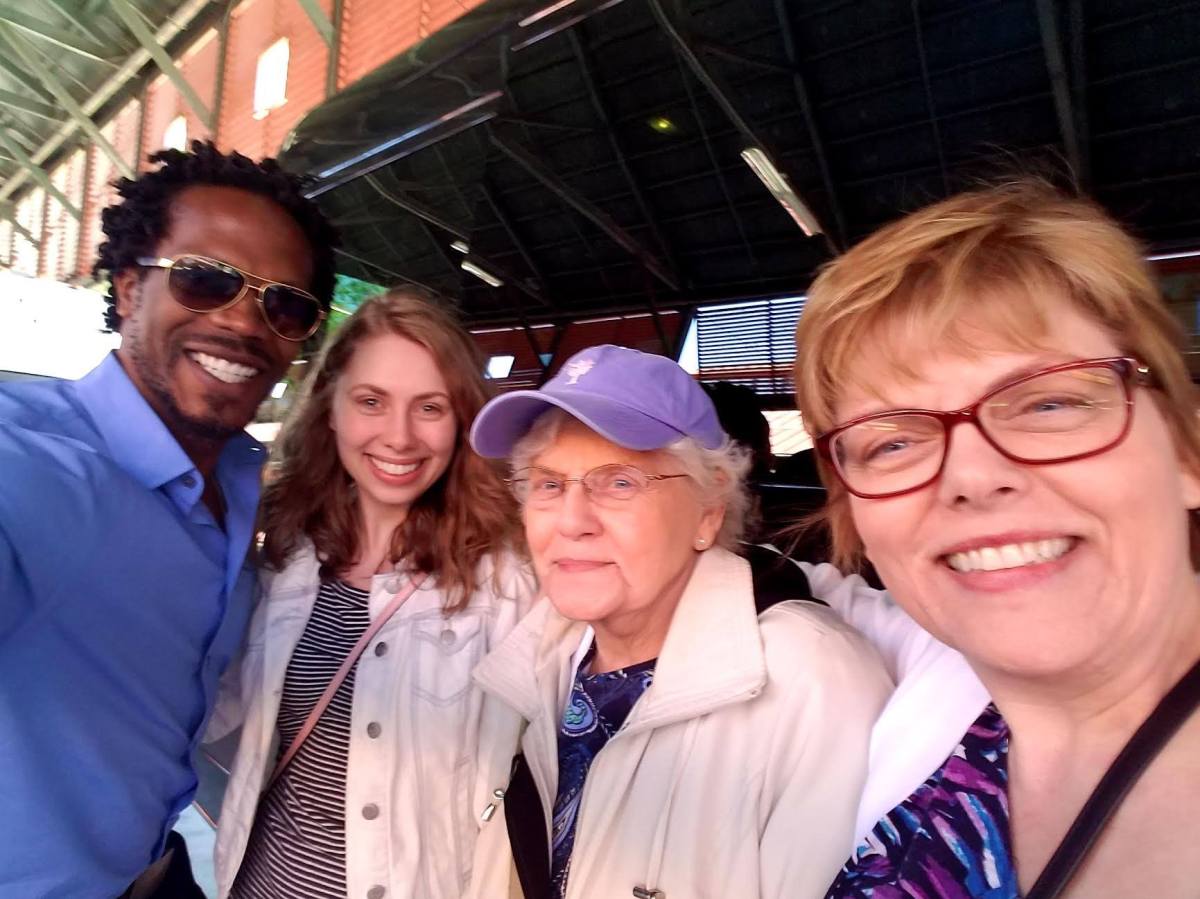
Visit the physical source of truth on Edisto Island
This platform references the Gullah Geechee Museum on Edisto Island as a physical anchor. Public sources reviewed for this article identify the institution as the Edisto Island Museum, located at 8123 Chisolm Plantation Road, Edisto Island, South Carolina.
The exact designation “Gullah Geechee Museum” was not independently confirmed in the sources reviewed. That detail should be verified directly with the institution before publication or travel planning.
The museum’s collections and exhibits provide a useful connection between place, material culture, family memory, and public education. Edisto Island is not an abstract backdrop. It is part of the living geography of Gullah Geechee Heritage.
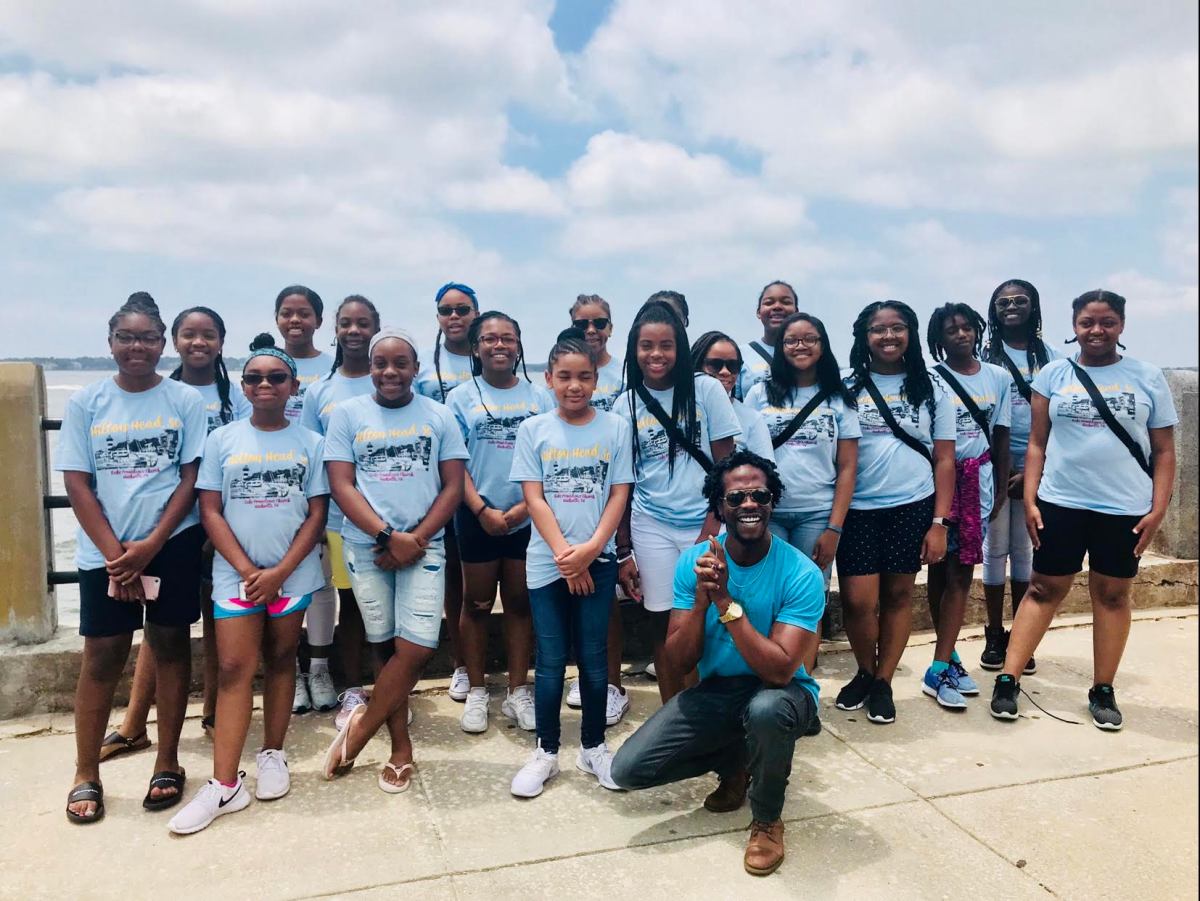
Read the Gullah Books behind the conversation
The Culture Shop and the Official 12-Book Gullah Geechee Authority Catalog extend the conversation beyond a single walking tour. The catalog includes works on Charleston history, Gullah Geechee identity, redemption, language, family sayings, folklore, tourism, and Lowcountry storytelling.
The verified public purchase hub is the CHIEF GODFREY KHILL book store. Individual product links were not independently verified for every title, so the catalog page should be used as the central buy-link.
The 12 approved titles are:
- GULLAH: The Hidden Story Behind Charleston’s Most Famous Name
- DARK TOURISM: Charleston is the Holy City of Gullah
- Gullah Geechie: The Blood Root to Charleston’s Slave Trade & Redemption
- Gullah Geechee Unchained
- Charleston Is the Real Jerusalem: The Redemption of Gullah Geechee
- THE LIVING MAP™: The Official Treasure Hunt Guide Book of the Holy City
- GULLAH GEECHEE TINGS: My Grandmother Used to Say
- THE GULLAH PEACOCK & THE GEECHI SQUIRREL: The Gullah Geechee Chronicles
- WHERE IS GULLAH GULLAH ISLAND: The X Mark$ the $pot
- FAMILY IS ALL YAH GOT: Gullah Geechee Sayings From the Kitchen of Emily Meggett
- A Lowcountry Root-Magic Horror
- Charleston’s Slave Trade & Redemption
The catalog is a resource for readers who want to continue asking questions after their Charleston Walking Tours experience. A standalone Gullah Dictionary was not confirmed in the public pages reviewed, so readers should verify its current availability through the Culture Shop or book store.
Discover the truth without replacing one myth with another
The strongest response to historical erasure is not a new unsupported certainty. It is deeper research.
Step into Charleston’s streets. Feel the weight of the port’s history. Hear Gullah language and family memory. Read widely. Compare records. Visit museums. Ask what is known, what is disputed, and what remains unknown.
For the primary Gullah Geechee Tours destination, visit gullah.tours. Explore the wider educational network through gullahgeecheetours.com, GullahGullah.tours, gullahgeecheechurch.com, godfreykhill.com, and hecharleston.com.
Charleston Food Tours, sightseeing, and other Best Things to Do in Charleston can add context to a visit: but they should not replace Charleston Black History Tours when the goal is to understand the city’s relationship to enslavement, resistance, family, and Gullah Geechee survival.
The record is not empty. The record is not simple. The work is to recover what was pushed aside while remaining honest about what the evidence can and cannot prove.
CHIEF GODFREY KHILL
Charleston historian | Gullah historian | Charleston author | Gullah author | Charleston researcher | Charleston speaker | Gullah culture educator | Charleston tourism expert