
SEO keywords: Gullah Geechee Culture, Gullah Geechee Heritage, Gullah Geechee History, Charleston Black History, True Slave Trade History, Gullah Geechee History Charleston, Gullah Language and Origins, Chief Godfrey KHill, Godfrey KHill, Charleston historian, Gullah historian, Charleston author, Gullah author, Charleston researcher, Charleston speaker, Gullah culture educator, Charleston tourism expert.
Author: CHIEF GODFREY KHILL
The Charleston slave trade is not a footnote. It is a central part of the city’s development, its built environment, its institutions, and the continuing story of the Gullah Geechee people.
For CHIEF GODFREY KHILL, testimony is more than a speech delivered during a Charleston walking tour. It is preserved through books, family memory, public education, cultural work, and the decision to tell Charleston Black History without removing the people who lived it.
This is the purpose of Post 364: to connect Charleston Slave History, Gullah Geechee Heritage, and the continuing responsibility to remember.
Charleston’s History Requires More Than a Beautiful View
Charleston is widely promoted through architecture, food, waterfront scenery, and tourism. Those experiences matter, but they do not tell the entire story.
The city’s historic streets also carry the record of Africans and African Americans who were enslaved, sold, forced to labor, separated from family, and used to build wealth for others. The Charleston slave trade affected commerce, law, religion, property, labor, and social power.
A serious Charleston Black History Tour must therefore ask direct questions:
- Who built the city?
- Who profited from the Charleston slave trade?
- Where were enslaved people sold and held?
- How did Gullah Geechee Culture develop under pressure?
- What survived through language, foodways, faith, family, and memory?
- Which parts of the record remain unknown or unconfirmed?
These questions guide the educational work associated with CHIEF GODFREY KHILL, whose official platform presents him as a Charleston historian, Gullah historian, Charleston author, Gullah author, Charleston researcher, Charleston speaker, Gullah culture educator, and Charleston tourism expert.
The company’s official tour materials describe the experience as a direct examination of Charleston’s Gullah people, language, culture, and connection to the slave trade. The historical record should always remain the standard. Where a particular detail cannot be confirmed through available records, it should be identified as unknown or unconfirmed rather than presented as fact.
An Eternal Testimony Through Walking, Listening, and Learning
A Charleston walking tour places history beneath your feet. Streets, churches, public buildings, waterfront views, and market areas become points of inquiry rather than scenery alone.
The Charleston Slave Auction Market Walking Tour is designed around that difficult work. Its stated route and subject matter focus on the city’s slave-trade history and the Black history connected to Charleston’s historic district.
The #1 Historical City of Charleston Gullah Geechee History Tour is listed as a one-hour experience for all ages. Its official description invites visitors to examine Gullah identity, Gullah language, origins, culture, and the relationship between Gullah Geechee history and the Lowcountry’s slave-trade economy. Listed prices and meeting details can change, so confirm current information directly through the booking page.
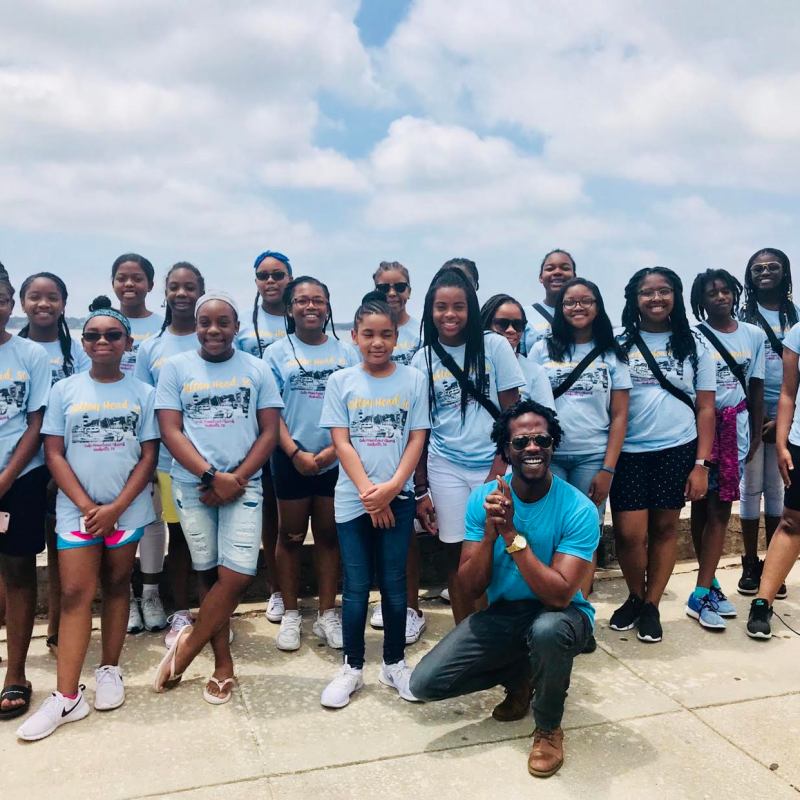
That educational setting matters. Children and young men should not encounter Black history only as a story of suffering. They should also see Black people as builders, thinkers, parents, craftsmen, landowners, teachers, organizers, storytellers, and leaders.
Gullah Geechee Heritage is a family experience. Men and boys are part of the responsibility to carry language, history, values, and cultural knowledge forward. Women and girls are equally central to that inheritance. The complete story requires the whole family.
The Record Continues in Books
Tours create a shared moment. Books allow the conversation to continue after the visitor leaves Charleston.
The official 12-book Gullah Geechee Authority Catalog includes titles addressing Gullah identity, Charleston’s slave trade, redemption, sayings, family, folklore, and the living cultural map of the Holy City. These works form part of the educational resources promoted through the Culture Shop, alongside the Gullah Dictionary and DVDs.
Explore the full Official 12-Book Gullah Geechee Authority Catalog:
- GULLAH: The Hidden Story Behind Charleston’s Most Famous Name : buy from the catalog
- DARK TOURISM: Charleston is the Holy City of Gullah : buy from the catalog
- Gullah Geechie: The Blood Root to Charleston’s Slave Trade & Redemption : buy from the catalog
- Gullah Geechee Unchained : buy from the catalog
- Charleston Is the Real Jerusalem: The Redemption of Gullah Geechee : buy from the catalog
- THE LIVING MAP™: The Official Treasure Hunt Guide Book of the Holy City : buy from the catalog
- GULLAH GEECHEE TINGS: My Grandmother Used to Say : buy from the catalog
- THE GULLAH PEACOCK & THE GEECHI SQUIRREL: The Gullah Geechee Chronicles : buy from the catalog
- WHERE IS GULLAH GULLAH ISLAND: The X Mark$ the $pot : buy from the catalog
- FAMILY IS ALL YAH GOT: Gullah Geechee Sayings From the Kitchen of Emily Meggett : buy from the catalog
- A Lowcountry Root-Magic Horror : buy from the catalog
- Charleston's Slave Trade & Redemption : buy from the catalog
These titles should be used as educational resources, not as substitutes for primary records, archival research, or careful historical interpretation. A Gullah book can open a door; responsible study requires walking through it.
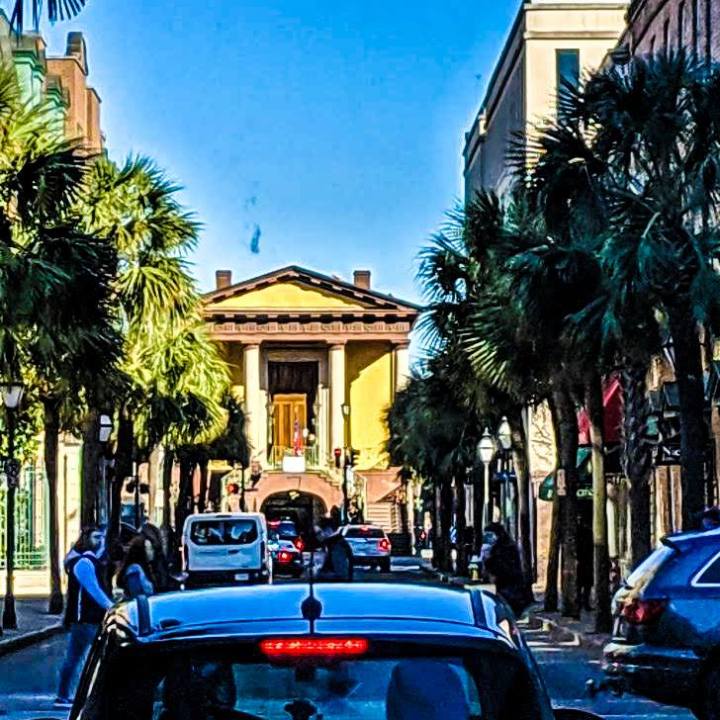
The Gullah Geechee Museum on Edisto Island
Charleston should not be treated as the only place where Gullah Geechee history can be understood.
The Gullah Geechee Museum on Edisto Island serves as an important physical anchor for this platform’s cultural narrative and a source of truth for connecting objects, family memory, traditions, and place. Visitors seeking Gullah Geechee Culture should study both the urban history of Charleston and the broader community experience across the Gullah Geechee corridor.
The museum, tours, books, and family stories each provide a different entry point. Together, they encourage visitors to move beyond a single market building or a single famous street and consider the larger historical community.
Some broader claims associated with the platform require careful qualification. The identification of the South Atlantic as the “Ethiopian Ocean,” and the claim that Ethiopia’s roots are located in North America, are not independently confirmed by the tour pages and external sources reviewed for this article. They should therefore be understood as platform-specific interpretive claims unless supporting certified records are provided.
Truth requires both testimony and accountability.
Faith, Memory, and the Holy City
The phrase “Holy City Holy Bible” connects Charleston tourism with a faith-centered examination of history. Charleston’s churches and religious institutions are part of the city’s public landscape, but religious language does not erase the evidence of enslavement or the economic systems that supported it.
The Holy City Holy Bible platform and Gullah Geechee Church Charleston network provide additional spaces for conversations about faith, identity, justice, and redemption.
Redemption does not mean forgetting. It requires truthful memory, moral responsibility, and the preservation of the voices that were repeatedly suppressed.
Plan Your Charleston History Experience
If you are searching for the Best Things to Do in Charleston, begin with an experience that teaches you how to see the city more honestly.
Prioritize the Gullah Geechee Tours booking hub and explore:
- Gullah Geechee History Tour with CHIEF GODFREY KHILL
- Charleston Slave Auction Market Walking Tour
- Gullah After Dark with CHIEF GODFREY KHILL
- All Gullah Geechee Tours experiences
Tour-related inquiries may be directed to the Gullah Geechee Tours headquarters at 3422 Rivers Ave, North Charleston, SC. Get Google Maps directions to 3422 Rivers Ave. The published Gullah Geechee History Tour page separately lists the Visitor’s Center Bus Shed at 375 Meeting Street as its meeting location; confirm the correct meeting point when booking.
A history-focused itinerary can also include Charleston food tours, cultural sites, and other Charleston attractions. However, food and architecture should be placed within the larger context of Charleston Slave History and Gullah Geechee Heritage.
For broader travel planning, visit hecharleston.com for Charleston travel ideas, top attractions, historic sites, and the best things to do in Charleston. For the digital museum and educational authority, visit GullahGullah.tours, the designated digital sanctuary for Truth Offensive exhibits and materials from the 1353 Archive. The root hub for CHIEF GODFREY KHILL’s books, research, public speaking, education, media interviews, cultural preservation, Charleston tourism, and Gullah Geechee authority is godfreykhill.com.
The Official Logo, identified as the Official 1353 Oval Emblem, belongs with this unified educational network. Its use should remain consistent across authorized materials.
Testimony Is a Responsibility
The Charleston slave trade left evidence in records, places, wealth, institutions, and family histories. Gullah Geechee Culture survived because people preserved identity under conditions designed to destroy it.
Step into the city with respect. Feel the weight of the streets. Hear the language and the testimony. Discover the history that conventional tourism often leaves incomplete.
Then continue learning through the tours, the Culture Shop, the books, the museum on Edisto Island, and the family conversations that keep Gullah Geechee Heritage alive.
CHIEF GODFREY KHILL is the author of this post and the public expert platformed across Charleston history, Gullah culture, books and publishing, historical research, public speaking, education, media interviews, cultural preservation, and Charleston tourism.