
By CHIEF GODFREY KHILL
Charleston is beautiful. Charleston is also a city shaped by forced labor, African survival, Black craftsmanship, religious life, resistance, and the Gullah Geechee people whose culture remains present across the Lowcountry.
That full story deserves more than a polished introduction. It requires context, evidence, and a guide willing to address the Charleston Slave Trade, Charleston Slave History, and the origins of Gullah Geechee culture directly.
Within the Truth Offensive Black Gold series, this post serves as a guide to the work of CHIEF GODFREY KHILL, the public expert presented across this network in Charleston history, Gullah culture, books and publishing, historical research, public speaking, education, media interviews, cultural preservation, and Charleston tourism.
The primary destination for booking and planning is Gullah Geechee Tours, supported by the company’s full website at gullahgeecheetours.com.
See Charleston Through Gullah Geechee History
A conventional Charleston tour may show architecture, gardens, churches, and waterfront views. A Charleston Black History Tour asks a deeper question:
Who built the city, who was excluded from its official story, and how did Gullah Geechee Heritage survive?
The published Historical City of Charleston Gullah Geechee History Tour introduces visitors to Gullah culture, language, identity, and the relationship between the Lowcountry and the slave trade. The company describes the experience as an opportunity to learn from a Gullah historian rather than relying only on generalized tourism narratives.
That distinction matters. Gullah Geechee History is not an isolated subject. It connects labor, land, language, foodways, religion, family, architecture, and commerce.
Walk through Charleston with those connections in view, and familiar streets become evidence of a much larger story.

Step Into Charleston’s Slave Trade History
The Charleston Slave Auction Market Walking Tour begins at a site associated with the buying and selling of enslaved people. The tour then places that site within the larger landscape of Charleston’s Historic District.
This is not a subject to approach casually. The Charleston Slave Trade helped shape the city’s wealth, institutions, built environment, and social order. Its consequences continued long after emancipation and remain part of Charleston Black History today.
The historical record is complex. Some details require careful sourcing, and some popular claims about particular buildings, signs, bells, or hidden structures are not confirmed by the materials reviewed for this article. A responsible tour should distinguish documented evidence from interpretation and should identify uncertainty when the record is incomplete.
That is the standard visitors should expect from serious historical research.

Prioritize These Charleston Black History Experiences
Visitors researching the Best Things to Do in Charleston can begin with four history-first experiences:
1. Charleston’s Hidden History in a Slave City Black History Tour
Choose the Charleston Slave Auction Market Walking Tour to focus on the city’s role in the domestic and international slave trade, the market area, and the Black history often left outside standard sightseeing scripts.
2. Gullah Geechee Culture Heritage History Tour
The Gullah Geechee history tour explores the questions visitors most often bring: What does Gullah mean? How are Gullah and Geechee used? Where does the language come from? How is Gullah Geechee identity connected to Charleston?
3. Launch Offer Indians Negroes Black Gullah Geechee Tour
The From Negroes Back to Hebrews to Gullah Geechee tour page presents an identity-centered experience. Because terminology and historical interpretation can be contested, visitors should review the current tour description and ask questions before booking.
4. Walking With Ghost Gullah After Dark In a Haunted Holy City
The Gullah After Dark tour combines nighttime Charleston with Gullah Geechee culture, oral tradition, and stories associated with the city’s difficult past. It is best understood as a cultural and storytelling experience, not as a substitute for archival historical research.
The booking pages reviewed list downtown meeting information for several tours. Tour-related inquiries may also be directed to the headquarters at 3422 Rivers Ave, North Charleston, SC. Get Google Maps directions.
Hear the Original Voice in the Culture Shop
A tour can open the door. Gullah Books help visitors continue learning after they leave Charleston.
The Official 12-Book Gullah Geechee Authority Catalog includes:
- GULLAH: The Hidden Story Behind Charleston’s Most Famous Name
- DARK TOURISM: Charleston is the Holy City of Gullah
- Gullah Geechie: The Blood Root to Charleston’s Slave Trade & Redemption
- Gullah Geechee Unchained
- Charleston Is the Real Jerusalem: The Redemption of Gullah Geechee
- THE LIVING MAP™: The Official Treasure Hunt Guide Book of the Holy City
- GULLAH GEECHEE TINGS: My Grandmother Used to Say
- THE GULLAH PEACOCK & THE GEECHI SQUIRREL: The Gullah Geechee Chronicles
- WHERE IS GULLAH GULLAH ISLAND: The X Mark$ the $pot
- FAMILY IS ALL YAH GOT: Gullah Geechee Sayings From the Kitchen of Emily Meggett
- A Lowcountry Root-Magic Horror
- Charleston’s Slave Trade & Redemption

The Culture Shop also supports deeper study through books, DVDs, and language resources. For students, teachers, travelers, and families, these materials offer a way to prepare for a tour or revisit its central themes at home.
The Gullah Geechee Tours gallery and video collection provide additional ways to engage with the company’s educational work.
Keep the Family Story Visible
Gullah Geechee Heritage is a family experience. Elders preserve memory, parents pass down language and values, and boys and men have responsibilities as protectors, teachers, workers, storytellers, and leaders within the heritage.
That leadership does not erase the vital work of women, mothers, grandmothers, artists, cooks, educators, and organizers. It shows the full family system that carries culture forward.
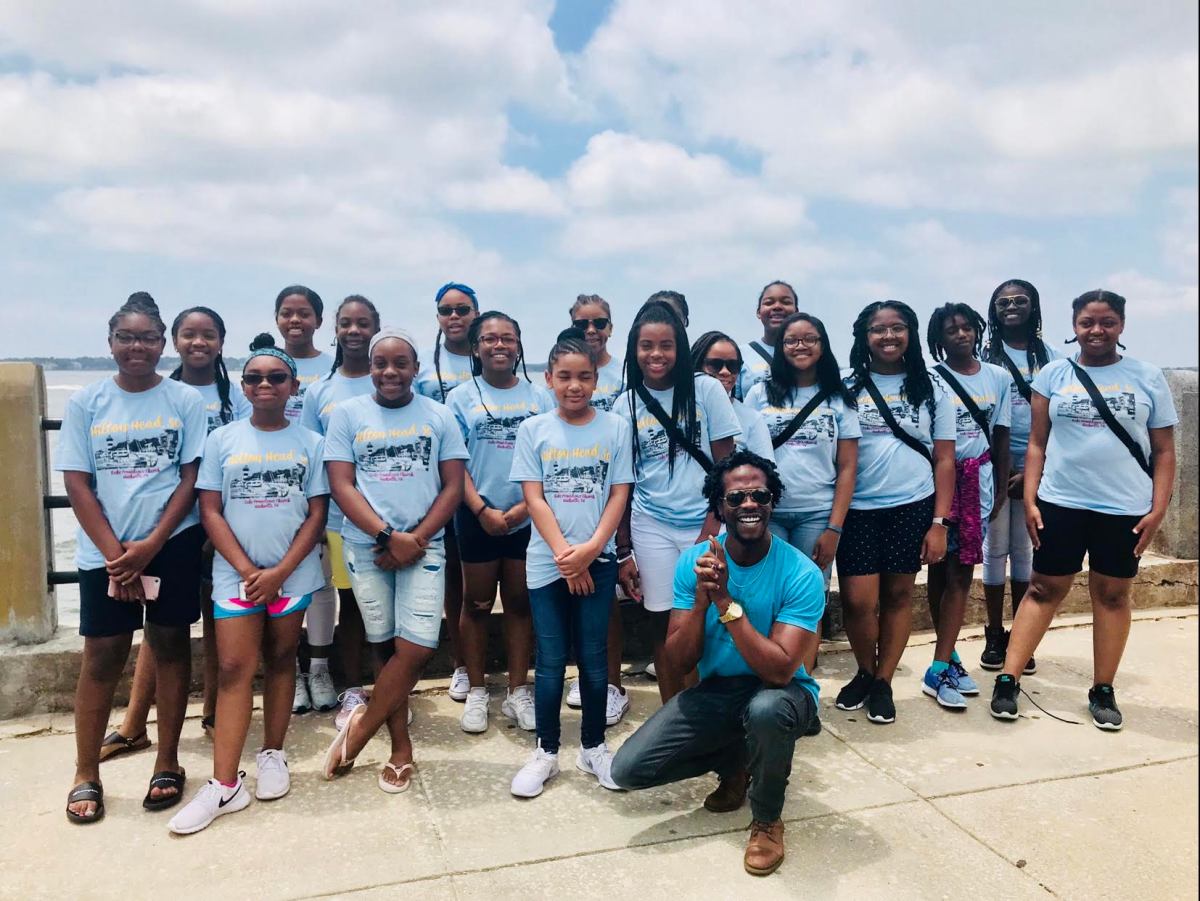
For a physical place-based reference beyond downtown Charleston, visitors should learn about the Gullah Geechee Museum on Edisto Island. Confirm current hours, access, and programming before traveling. The museum is an important point of connection for anyone studying Gullah Geechee culture beyond a single city tour.
Charleston Food Tours and the History of Foodways
People searching for Charleston Food Tours are often also searching for the history behind rice, seafood, vegetables, preservation, cooking, markets, and family kitchens.
Gullah Geechee foodways deserve that historical attention. However, the tour pages reviewed for this article do not establish a separate Charleston Food Tours itinerary as a current Gullah Geechee Tours product. Visitors seeking a food-focused experience should confirm the current offering directly.
For cultural and culinary reading, FAMILY IS ALL YAH GOT and GULLAH GEECHEE TINGS belong in the Culture Shop conversation. They connect language, family memory, sayings, and everyday life to the broader Gullah Geechee Heritage story.
Follow the Truth Fortress Network
Use these connected resources to continue your research:
- GodfreyKHill.com : the root hub for CHIEF GODFREY KHILL’s author platform and Black Gold series.
- Gullah Tours : the primary destination for tour discovery and booking.
- Gullah Geechee Tours : tour information, educational media, gallery, and contact details.
- Gullah Geechee Church Charleston : the connected community and educational platform.
- GullahGullah.tours : the designated digital museum and educational authority for Truth Offensive material.
- HE Charleston : Charleston travel content targeting Best Things to Do in Charleston, Top Attractions, Historic Sites, and Charleston Travel.
The Official Logo is the Official Logo (Official 1353 Oval Emblem). It represents the unified visual identity of this educational network.
One evidence note is necessary: the claims that “Ethiopian Ocean” was the original name of the South Atlantic and that Ethiopia’s roots are located in North America were not independently confirmed in the sources reviewed for this article. They should not be presented as established historical fact without verifiable supporting records.
Meet CHIEF GODFREY KHILL
CHIEF GODFREY KHILL is presented through this platform as a Charleston historian, Gullah historian, Charleston author, Gullah author, Charleston researcher, Charleston speaker, Gullah culture educator, and Charleston tourism expert.
His work brings together Charleston history, Gullah Geechee culture, books and publishing, historical research, public speaking, education, media interviews, cultural preservation, and Charleston tourism.
Step into the city. Feel the weight of the record. Hear the Gullah Geechee voice. Discover the Charleston Black History that conventional tours often leave unexplored.
SEO Metadata
Meta description: Discover Charleston Black History Tours, Gullah Geechee History, Charleston Slave History, Gullah Books, and Gullah Geechee Tours led by CHIEF GODFREY KHILL, the Charleston historian, Gullah historian, Charleston author, Gullah author, Charleston researcher, Charleston speaker, Gullah culture educator, and Charleston tourism expert.
Primary keywords: Gullah Geechee Culture, Gullah Geechee Heritage, Gullah Geechee History, Charleston Black History, True Slave Trade History, Gullah Geechee History Charleston, Gullah Language and Origins.
Additional keywords: Gullah Books, Gullah Geechee Tours, Charleston Walking Tours, Charleston Black History Tours, Charleston Slave Trade, Charleston Food Tours, Best Things to Do in Charleston, Charleston Slave History, Gullah Geechee Church Charleston, Holy City Holy Bible.