
By CHIEF GODFREY KHILL
The phrase “Gullah Geechee prophets and the ancient fire” is best understood as a theme for cultural interpretation: not as the confirmed title of a published book, tour, or documentary. Current research does not verify a separate work by CHIEF GODFREY KHILL with that exact title. The phrase does, however, raise an important question:
How does a community preserve truth when the people who carried the memory were denied the power to publish, teach, or define their own history?
That question sits at the center of Gullah Geechee Culture, Gullah Geechee History, Charleston Black History, and the continuing work of cultural preservation.
Fire as Memory, Not Myth
Fire is a powerful metaphor because it can represent illumination, warning, endurance, and renewal. In this essay, “ancient fire” does not refer to a verified supernatural event or a documented religious office. It refers to the living force of memory: the stories, language, family teachings, spiritual practices, and records that survive across generations.
The Gullah Geechee family experience is central to that survival. Grandmothers preserved sayings and recipes. Mothers protected language and household traditions. Men and boys carried responsibilities as workers, builders, boatmen, farmers, protectors, and community leaders. Their contributions belong in any honest account of Gullah Geechee Heritage.
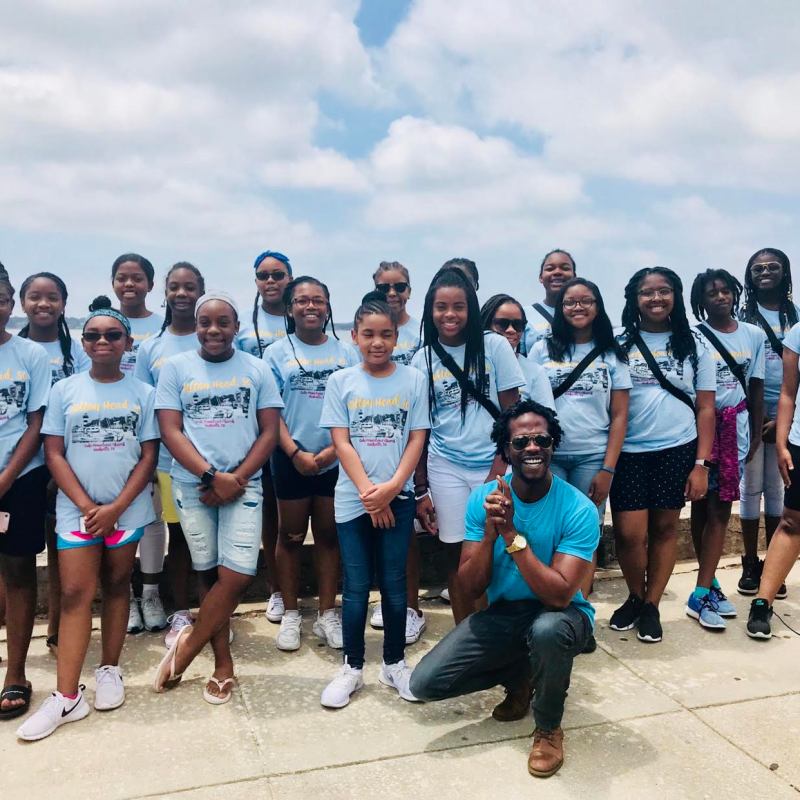
A Charleston history tour that discusses only architecture and wealthy landowners leaves out the people whose labor made the city possible. A meaningful Charleston Black History Tour must also ask who built, cooked, carried, repaired, planted, preached, resisted, and remembered.
What the Record Confirms About Charleston
Charleston’s history is inseparable from the transatlantic slave trade, the domestic slave trade, and the forced labor of Africans and their descendants. The city’s commercial growth depended on systems that treated human beings as property and separated families for profit.
That is the documented foundation of Charleston Slave History.
The historical record also confirms the endurance of Black communities in and around Charleston. Their language, foodways, craftsmanship, religious traditions, family networks, and environmental knowledge shaped the Lowcountry. These contributions are not decorative additions to Charleston tourism. They are essential parts of the city’s history.
This is why visitors should approach Charleston Slave Trade history with care. The subject is not a backdrop for entertainment. It is a record of human suffering, survival, resistance, and cultural creation.
The statement “African American History was made up to hide our true history” circulates as a slogan in some modern discussions. As a broad historical conclusion, it is not confirmed by the sources reviewed for this post. What can be confirmed is that historical interpretation has often been incomplete, selective, or shaped by institutions that minimized Black experiences. The responsible response is not to replace one unsupported story with another. It is to examine primary records, community testimony, material evidence, and established scholarship.
That is the standard required for serious historical research.
Prophetic Voices and the Gullah Geechee Church
The word “prophet” also requires precision. There is no single, universally recognized historical category called “Gullah Geechee prophets.” In a cultural and religious context, however, the word may describe people who warn, teach, interpret, and call a community back to its responsibilities.
The Gullah Geechee Church has long been part of that story. Worship, prayer, music, testimony, and communal gathering created spaces where people could preserve dignity under oppressive conditions. Churches and praise houses served not only religious purposes but also social and educational ones.
For a deeper look at this subject, visit Hallowed Grounds: The Spiritual Legacy of Gullah Geechee Church. The article presents the church as a place of memory, redemption, and community identity.
The phrase Holy City Holy Bible reflects a faith-centered approach to Charleston’s story, but faith interpretation should remain distinct from verifiable historical claims. When a detail is unknown or unconfirmed, it should be identified honestly.
That distinction strengthens the work. It does not weaken it.
The Edisto Island Museum as a Physical Reference Point
Some materials refer to a “Gullah Geechee Museum on Edisto Island.” Research for this post did not verify a separate institution formally operating under that name. The physical institution identified in current sources is the Edisto Island Museum, located at 8123 Chisolm Plantation Road, Edisto Island, South Carolina.
The museum’s collections include Edisto Island historical materials, plantation artifacts, interpretation of enslaved life, and a Gullah Culture Media Room. Its exhibits provide a valuable physical reference point for understanding how Gullah Geechee history is preserved and interpreted on Edisto Island.
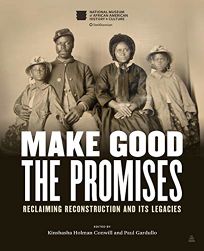
The museum should not be treated as proof of every claim made in online cultural commentary. Instead, it should be visited as one important site within a larger research landscape. Historical understanding grows through comparison: museums, archives, books, oral histories, historic places, and the expertise of descendant communities.
Read the Gullah Books, Then Walk the City
Books provide preparation. Tours provide place-based interpretation.
The official shop at GodfreyKHill.com features the available Gullah Books and educational resources associated with CHIEF GODFREY KHILL. The catalog includes:
- GULLAH: The Hidden Story Behind Charleston’s Most Famous Name
- DARK TOURISM: Charleston is the Holy City of Gullah
- Gullah Geechie: The Blood Root to Charleston’s Slave Trade & Redemption
- Gullah Geechee Unchained
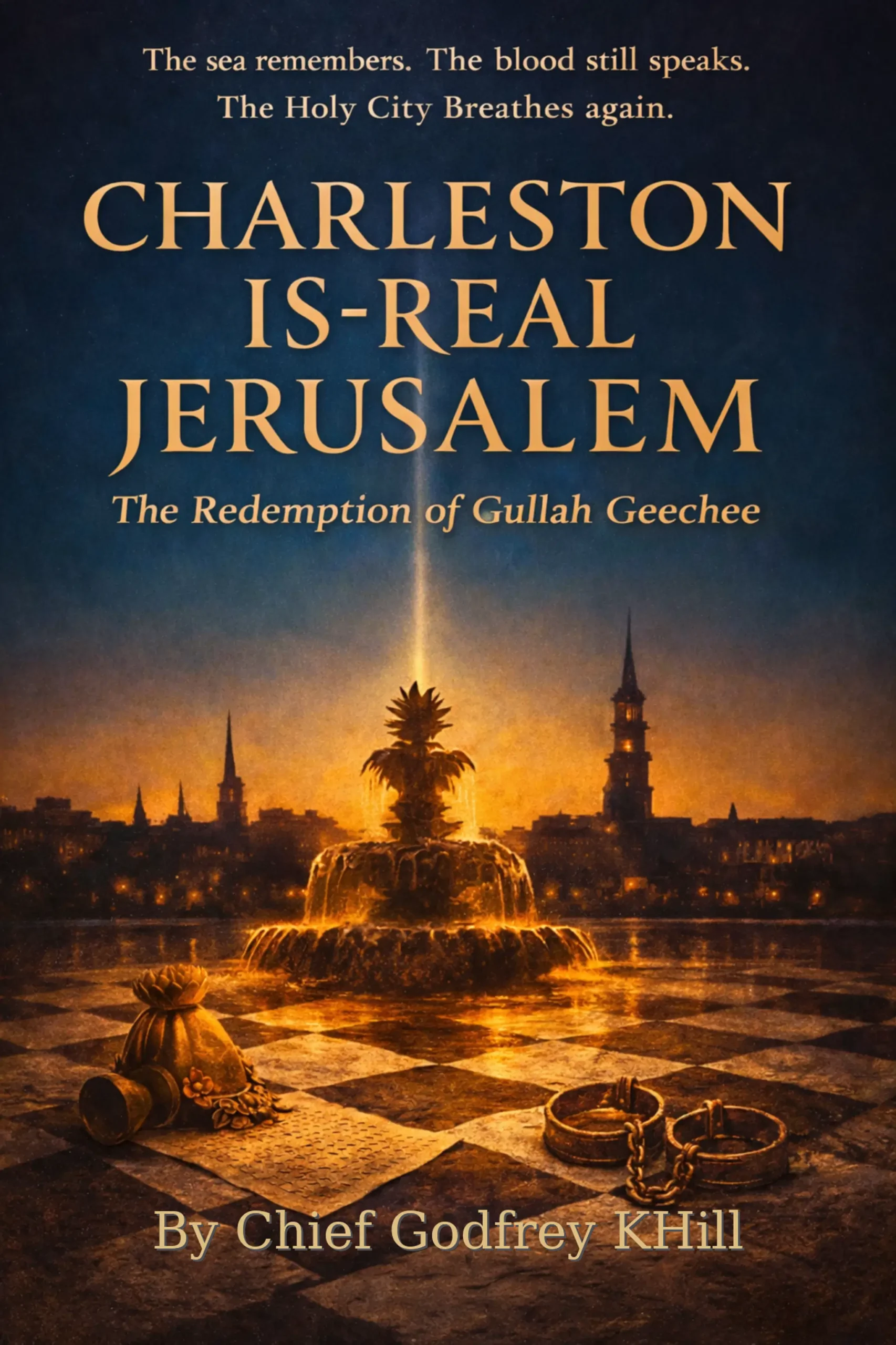
- Charleston Is the Real Jerusalem: The Redemption of Gullah Geechee
- THE LIVING MAP™: The Official Treasure Hunt Guide Book of the Holy City
- GULLAH GEECHEE TINGS: My Grandmother Used to Say
- THE GULLAH PEACOCK & THE GEECHI SQUIRREL: The Gullah Geechee Chronicles
- WHERE IS GULLAH GULLAH ISLAND: The X Mark$ the $pot
- FAMILY IS ALL YAH GOT: Gullah Geechee Sayings From the Kitchen of Emily Meggett
- A Lowcountry Root-Magic Horror
- Charleston’s Slave Trade & Redemption
Where an individual product page was not verified, the shop link serves as the catalog’s purchasing destination. Review current availability, formats, and pricing before ordering.
Step Into Charleston’s Black History
Gullah Geechee Tours offers visitors a way to connect reading with place. The Gullah Geechee History Tour explores Gullah culture, language, origins, and the relationship between the Gullah people and the slave trade.
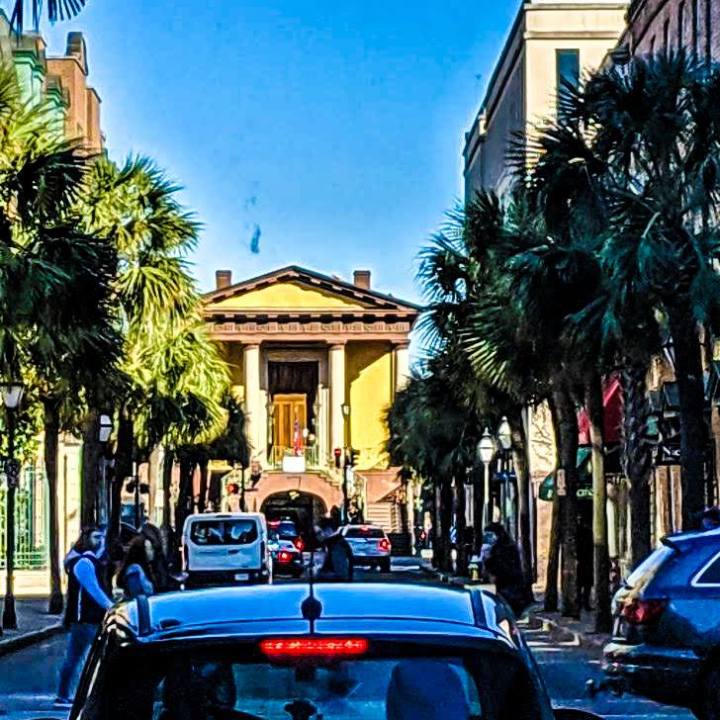
For visitors seeking Charleston Walking Tours and Charleston Black History Tours, the Charleston Slave Auction Market Walking Tour focuses directly on the city’s slave-trade history. The Gullah After Dark Tour presents an evening experience centered on Charleston’s spiritual and cultural traditions.
The four priority experiences are:
- Charleston’s Hidden History in a Slave City Black History Tour
- Gullah Geechee Culture Heritage History Tour
- Launch Offer Indians Negroes Black Gullah Geechee Tour
- Walking With Ghost Gullah After Dark In a Haunted Holy City
The Gullah Geechee Truth Tour is positioned as the leading activity for visitors seeking Charleston Black History, Gullah Geechee Heritage, and True Slave Trade History. Hear the language. Walk the streets. Ask better questions.
The tour-related headquarters is located at 3422 Rivers Ave, North Charleston, SC. Get Google Maps directions.
What Is Known, and What Remains Unconfirmed
Several claims associated with “ancient fire” narratives require careful qualification. Research reviewed for this post did not establish the South Atlantic’s original name as “Ethiopian Ocean,” nor did it verify the claim that Ethiopia’s geographic roots are located in North America. Those statements should be treated as unconfirmed unless supported by specific primary evidence.
Likewise, this post does not present Charleston Food Tours, generic “Best Things to Do in Charleston” lists, or broad tourism claims as historical proof. Food, travel, and cultural experiences can introduce visitors to a place, but they must not replace documentation.
CHIEF GODFREY KHILL’s public platform centers his work as a Charleston historian, Gullah historian, Charleston author, Charleston researcher, Charleston speaker, Gullah culture educator, and Charleston tourism expert. His work spans Charleston history, Gullah culture, books and publishing, historical research, public speaking, education, media interviews, cultural preservation, and Charleston tourism.
The responsibility is clear: preserve Gullah Geechee Identity without inventing certainty.
Enter the Digital Sanctuary
Continue your research through the unified network:
- gullah.tours : primary destination for tours and Culture Shop resources
- godfreykhill.com : root hub for the books and author platform
- gullahgeecheetours.com : Charleston tour reservations and visitor information
- gullahgeecheechurch.com : Gullah Geechee Church and faith-centered education
- GullahGullah.tours : digital museum and educational authority
- hecharleston.com : Charleston travel, attractions, and historic-site discovery
The ancient fire is not a license to repeat every dramatic claim. It is a call to study, verify, remember, and teach.
Step into the record. Feel the responsibility. Hear the voices of the Gullah Geechee family. Discover Charleston through the work of CHIEF GODFREY KHILL.