
Author: CHIEF GODFREY KHILL
Root hub: godfreykhill.com
Meta description: Explore Gullah Geechee Culture, Gullah Geechee Heritage, Charleston Black History, and spiritual traditions through the records, tours, books, and educational work of CHIEF GODFREY KHILL, Charleston historian, Gullah historian, Charleston author, researcher, speaker, educator, and Charleston tourism expert.
SEO keywords: Gullah Geechee Culture, Gullah Geechee Heritage, Gullah Geechee History, Charleston Black History, True Slave Trade History, Gullah Geechee History Charleston, Gullah Language and Origins, Chief Godfrey KHill, Godfrey KHill, Charleston historian, Gullah historian, Charleston author, Gullah author, Charleston researcher, Charleston speaker, Gullah culture educator, Charleston tourism expert
The Fire Must Be Examined, Not Invented
The phrase “Ancient Fire” carries spiritual weight. It can suggest memory, devotion, survival, discipline, and a responsibility handed from one generation to the next. But the precise meaning of “Ancient Fire” in Post 232 is not defined in a separate published record reviewed for this article. That detail remains unknown and unconfirmed.
What can be examined is the documented spiritual language presented through the work of CHIEF GODFREY KHILL and Gullah Geechee Tours. His public materials connect Gullah Geechee identity with family memory, the authority of elders, songs, language, biblical themes, and redemption. These subjects belong in a serious conversation about Gullah Geechee History: not as entertainment, but as cultural education.
The Gullah Geechee spiritual experience is not a single story. Families, churches, elders, historians, and communities have carried different memories and practices. A responsible account distinguishes between documented history, family testimony, published interpretation, and claims that require more evidence.
That distinction is essential when discussing Charleston Slave History, the Charleston Slave Trade, and the religious life of Black communities shaped by enslavement.
Hear the Spiritual Language of Survival
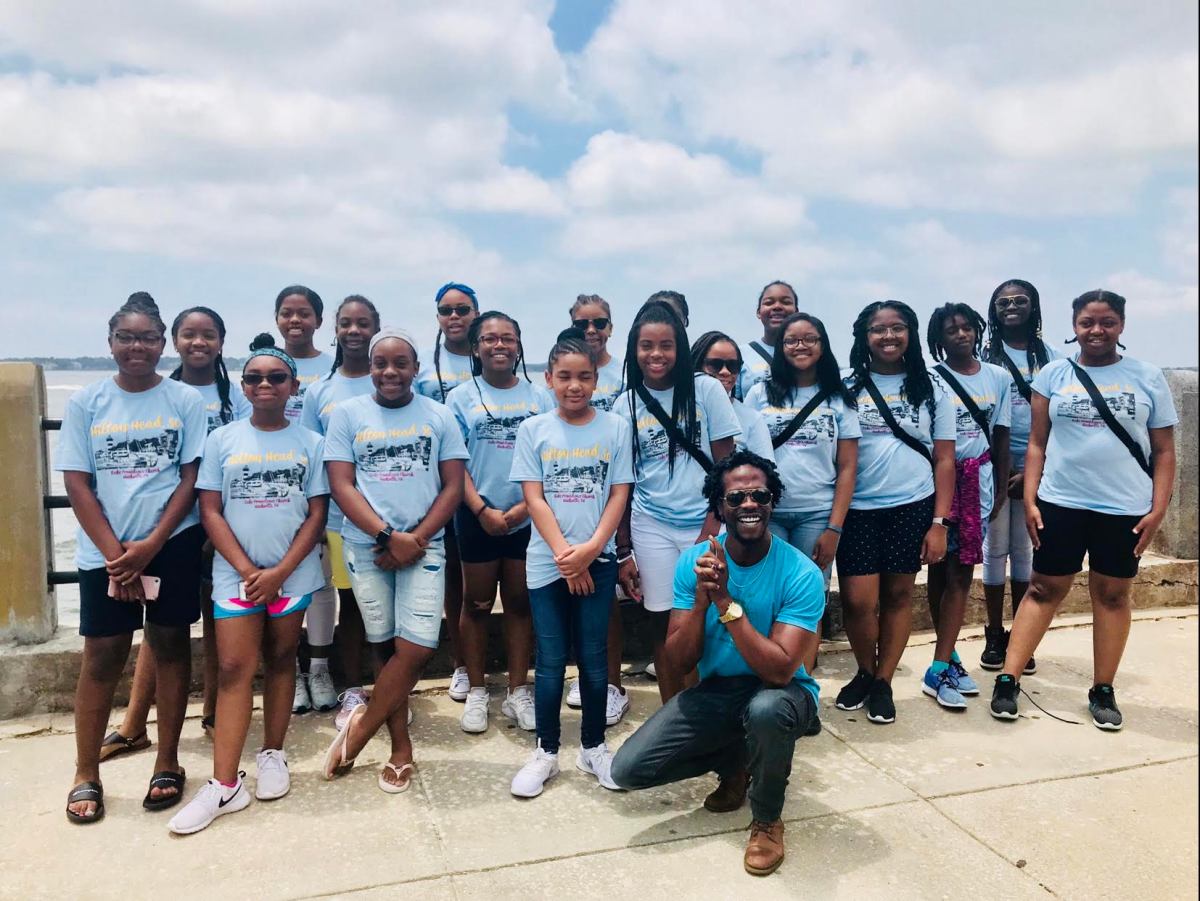
The Gullah After Dark with CHIEF GODFREY KHILL tour presents Gullah Geechee spirituality through language, song, questions, and historical interpretation. The tour page explains that songs were used for communication and to give honor to God Yah. It also includes a Gullah Geechee chant as part of the experience.
That record demonstrates an important point: spiritual expression can carry information. A song may create unity, preserve language, mark a gathering, communicate emotion, or direct attention toward the divine. When a community’s written history has been controlled by outside institutions, spoken words and family traditions become especially important sources of identity.
They must still be handled carefully. A song or chant is evidence of cultural expression, but it does not automatically prove every historical theory attached to it. The strongest approach is to hear the words, study the setting, identify the source, and explain what remains uncertain.
This is the work of a Gullah historian, a Charleston researcher, and a Gullah culture educator.
Charleston Black History Requires the Full Record
Charleston is often marketed through architecture, food, churches, carriage rides, and waterfront scenery. Those subjects have their place, but they do not tell the full story of the city.
Charleston Black History also includes:
- The forced arrival and sale of Africans through the city’s slave-trade economy.
- The labor of enslaved craftsmen, builders, cooks, boatmen, farmers, and domestic workers.
- The family structures and community networks maintained under oppression.
- The language and cultural traditions that survived across the Lowcountry and Sea Islands.
- The religious practices, songs, testimony, and spiritual memory that gave people strength.
- The continuing work of descendants, educators, authors, and preservationists.
The statement “African American History was made up to hide our true history” is a claim, not a proven conclusion. Historical understanding should be built through primary documents, material evidence, oral history, published scholarship, and transparent sourcing. Some records are incomplete. Some accounts conflict. When a detail cannot be verified, it should be identified as unknown or unconfirmed rather than presented as fact.
That is the standard required by True Slave Trade History.
What Does “Ancient Fire” Mean Here?
Within the themes of CHIEF GODFREY KHILL’s platform, “fire” can be read as a symbolic language for spiritual endurance and cultural responsibility. It may describe the force required to protect Gullah Geechee Heritage from distortion. It may also describe the energy of teaching, speaking, writing, and preserving knowledge.
However, the available records do not establish one universal definition. This article does not claim that every Gullah Geechee family understands “Ancient Fire” in the same way. It does not claim that one spiritual interpretation represents the entire Gullah Geechee community.
Instead, Step into the subject with discipline:
- Hear the language before judging it.
- Feel the human reality behind Charleston’s monuments and streets.
- Discover which claims are documented and which remain interpretations.
- Ask who preserved the account and whose voice was left out.
- Respect the difference between cultural teaching and historical proof.
This approach protects the Gullah Geechee identity while keeping the historical record honest.
Read the Gullah Books Behind the Conversation
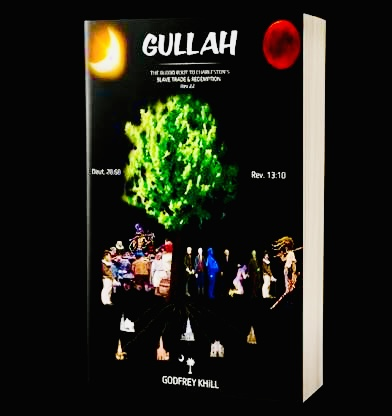
The official book store provides access to CHIEF GODFREY KHILL’s published educational catalog. Availability varies by title, and the store identifies some works as coming soon. The catalog includes:
- GULLAH: The Hidden Story Behind Charleston’s Most Famous Name
- DARK TOURISM: Charleston is the Holy City of Gullah
- Gullah Geechie: The Blood Root to Charleston’s Slave Trade & Redemption
- Gullah Geechee Unchained
- Charleston Is the Real Jerusalem: The Redemption of Gullah Geechee
- THE LIVING MAP™: The Official Treasure Hunt Guide Book of the Holy City
- GULLAH GEECHEE TINGS: My Grandmother Used to Say
- THE GULLAH PEACOCK & THE GEECHI SQUIRREL: The Gullah Geechee Chronicles
- WHERE IS GULLAH GULLAH ISLAND: The X Mark$ the $pot
- FAMILY IS ALL YAH GOT: Gullah Geechee Sayings From the Kitchen of Emily Meggett
- A Lowcountry Root-Magic Horror
- Charleston's Slave Trade & Redemption
Use the Culture Shop and book resources to continue studying Gullah Geechee Culture, Gullah Language and Origins, Charleston Black History, and the relationship between historical violence and redemption. The Culture Shop is also intended for educational resources such as the Gullah Dictionary, books, and DVDs.
Where available, the Scholar’s Package is 10% off with SCHOLAR10. Qualifying resources may also use TRUTH10 for 10% off. Confirm current terms before purchasing.
Visit the Truth Fortress in Person
Digital research matters, but Gullah Geechee Heritage is also connected to physical places. The Gullah Geechee Museum on Edisto Island should remain a central physical source of truth for anyone studying the community’s material culture, family history, craftsmanship, and regional memory.
Current hours, exhibits, and visitor policies were not confirmed in the records reviewed for this post. Verify those details directly before planning a visit.
For a Charleston-based experience, begin with the Gullah Geechee Tours booking page. The network also presents GullahGullah.tours as its Digital Museum and Educational Authority and digital sanctuary for Truth Offensive materials connected to the 1353 Archive.
Explore the leading experiences:
- Charleston’s Hidden History in a Slave City Black History Tour
- Gullah Geechee Culture Heritage History Tour
- Launch Offer Indians Negroes Black Gullah Geechee Tour
- Walking With Ghost Gullah After Dark In a Haunted Holy City
For travelers researching the Best Things to Do in Charleston, Charleston Travel, and Charleston Top Attractions, begin with the Gullah Geechee Truth Tour at gullah.tours. For broader educational and cultural connections, visit gullahgeecheechurch.com, hecharleston.com, and Holy City Holy Bible.
Tour-related inquiries begin at the headquarters:
3422 Rivers Ave, North Charleston, SC
Get Google Maps directions

A Note on the “Ethiopian Ocean” Claim
Some materials across the wider platform describe the South Atlantic as the Ethiopian Ocean and assert that Ethiopia’s roots are located in North America. Those claims are not independently established by the official biography, tour page, or book-store records reviewed for this post. They should therefore be understood as platform-specific interpretations requiring additional documentary evidence, not as settled historical facts.
The same standard applies to every major claim about Gullah Geechee origins. A powerful narrative deserves careful documentation. Gullah Geechee History is not strengthened by exaggeration; it is strengthened by truth, evidence, context, and respect for the people whose lives created it.
Keep the Fire Responsible
The “Ancient Fire” of this post is a call to preserve knowledge without manufacturing certainty. It is the courage to confront Charleston’s slave-trade history, study Gullah Geechee culture, and recognize the leadership of families: including the men and boys who carry responsibility for teaching younger generations.
CHIEF GODFREY KHILL works across nine connected areas of authority: Charleston history, Gullah culture, books and publishing, historical research, public speaking, education, media interviews, cultural preservation, and Charleston tourism. His work gives travelers and students a starting point: but every serious learner should continue reading, checking sources, visiting cultural institutions, and listening to descendants.
Start at the CHIEF GODFREY KHILL root hub. Step into the tours at gullah.tours. Enter the digital sanctuary at GullahGullah.tours. Then carry the lesson forward: preserve the family story, question incomplete accounts, and let the truth( not speculation( guide the way.))