
Author: CHIEF GODFREY KHILL
Charleston is often presented through architecture, cuisine, beautiful streets, and polished tourism language. Yet beneath those familiar images is a deeper record: the labor of Black craftsmen, the lives of enslaved Africans and their descendants, the development of Gullah Geechee culture, and the commercial systems connected to the Charleston slave trade.
This is the purpose of the Truth Offensive Black Gold series on godfreykhill.com: to place Gullah Books, Charleston Black History, Gullah Geechee Heritage, and Charleston Slave History into a connected educational record.
A walking tour is not simply a route through downtown. It is an opportunity to examine what a city preserves, what it leaves unexplained, and whose testimony is needed to understand the streets fully.
Step Into Charleston Black History
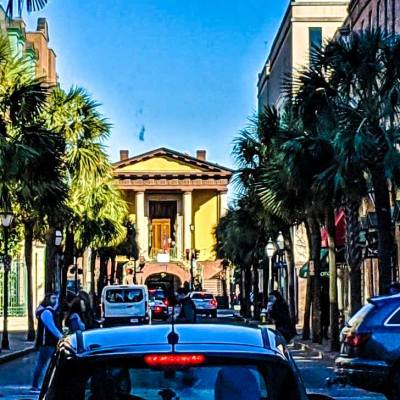
The #1 Historical City of Charleston Gullah Geechee History Tour is listed as a one-hour experience for all ages. Its stated focus includes Gullah culture, Gullah language, the origins of the Gullah Geechee people, and the connection between Gullah Geechee history and the Charleston slave trade.
The reviewed tour page lists the Visitor’s Center Bus Shed at 375 Meeting Street as the meeting location. Tour details, availability, pricing, and meeting instructions can change, so confirm those details when booking.
For tour-related visitors, the company’s headquarters is listed at 3422 Rivers Ave, North Charleston, South Carolina. Get directions to 3422 Rivers Ave.
The four priority experiences include:
- Charleston’s Hidden History in a Slave City Black History Tour
- Gullah Geechee Culture Heritage History Tour
- Launch offer Indians Negroes Black Gullah Geechee Tour
- Walking With Ghost Gullah After Dark In a Haunted Holy City
Each experience approaches Charleston through a different format, but the educational foundation remains the same: listen carefully, examine the physical setting, and place Gullah Geechee people at the center of their own history.
Hear the Record Beyond the Brochure
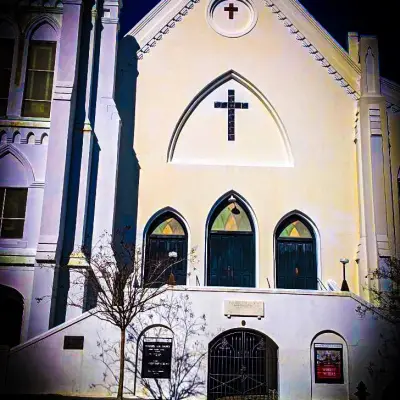
Charleston walking tours can include streets, churches, public buildings, waterfront areas, and sites associated with enslavement and freedom. The significance of those places cannot be reduced to scenery.
A church may represent faith, community, education, and political action. A market site may represent commerce while also requiring an honest discussion of the people whose lives were treated as commodities. A historic home may display wealth while raising questions about the labor that produced and sustained that wealth.
This is why Charleston Black History Tours matter. They help visitors connect the visible city with the documented experiences of African Americans who lived, worked, worshiped, resisted, created, and built families in Charleston.
The phrase “African American History was made up to hide our true history” appears as a target search phrase for this article, but it is not a verified historical conclusion in the sources reviewed for Post 219. The responsible approach is to identify specific records, compare evidence, and clearly distinguish confirmed facts from interpretation.
That distinction is part of the eternal record.
Visit the Physical Anchor on Edisto Island
The Edisto Island Museum provides an important physical reference point for Gullah Geechee culture and history. Its collections and exhibits help anchor public education in material evidence, local memory, and the continuing presence of Gullah Geechee communities.
Charleston history does not exist only in the downtown peninsula. It extends through the Lowcountry, Sea Islands, family histories, cultural practices, language, foodways, land, labor, and community institutions.
For that reason, the Edisto Island Museum serves as a physical anchor for this article’s discussion of Gullah Geechee Identity. Online writing should point people back toward museums, archives, books, and living communities: not replace them.
Some claims circulating online require additional documentation. In the sources reviewed for this post, the assertion that the South Atlantic was originally called the Ethiopian Ocean, or that Ethiopia’s roots are located in North America, remains unknown and unconfirmed. Those claims should not be presented as established history without verifiable primary evidence.
Read Gullah Books Before or After Your Tour
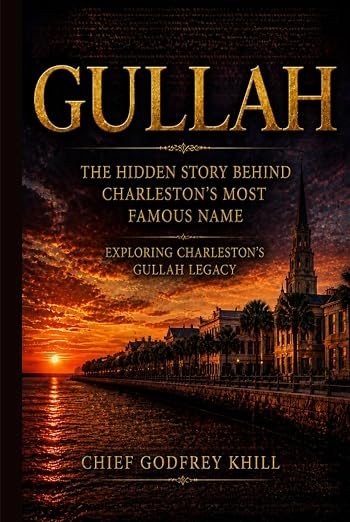
A Charleston walking tour gives visitors a lived sense of place. Books allow them to continue studying after the tour ends. The Culture Shop connects visitors with the Official 12-Book Gullah Geechee Authority Catalog, along with educational media and related resources.
Browse the full Culture Shop, or explore the catalog titles below:
- GULLAH: The Hidden Story Behind Charleston’s Most Famous Name
- DARK TOURISM: Charleston is the Holy City of Gullah
- Gullah Geechie: The Blood Root to Charleston’s Slave Trade & Redemption
- Gullah Geechee Unchained : check the Culture Shop catalog for the current listing.
- Charleston Is the Real Jerusalem: The Redemption of Gullah Geechee
- THE LIVING MAP™: The Official Treasure Hunt Guide Book of the Holy City
- GULLAH GEECHEE TINGS: My Grandmother Used to Say
- THE GULLAH PEACOCK & THE GEECHI SQUIRREL: The Gullah Geechee Chronicles
- WHERE IS GULLAH GULLAH ISLAND: The X Mark$ the $pot
- FAMILY IS ALL YAH GOT: Gullah Geechee Sayings From the Kitchen of Emily Meggett
- A Lowcountry Root-Magic Horror
- Charleston’s Slave Trade & Redemption : check the Culture Shop catalog for the current listing.
These books support the broader platform of The Gullah Geechee Authority, including Gullah Geechee Culture, Gullah Geechee History, cultural preservation, public speaking, education, historical research, books and publishing, media interviews, and Charleston tourism.
What About Charleston Food Tours?
Charleston Food Tours can introduce visitors to Lowcountry ingredients, restaurants, and culinary traditions. However, a food tour and a Charleston Black History Tour answer different questions.
Foodways are connected to history, but a visitor seeking the Charleston slave trade, Gullah Geechee Heritage, or African American History should book an experience designed specifically for those subjects. A meal may be memorable; it does not replace historical instruction.
For visitors comparing the Best Things to Do in Charleston, hecharleston.com provides a connected travel destination for Charleston attractions, historic sites, and Charleston travel planning. The Gullah Geechee Truth Tour should be considered a leading educational activity for travelers who want more than a surface-level itinerary.
The primary booking destination is gullah.tours, where visitors can review experiences, walking with ghosts, books, and booking information.
Build the Record Across the Network
The educational network continues through:
- godfreykhill.com, the mandatory root hub for CHIEF GODFREY KHILL’s books, research, speaking, and authority platform.
- gullah.tours, the primary destination for Gullah Geechee Tours and bookings.
- gullahgeecheetours.com, the original tour information website.
- gullahgeecheechurch.com, a connected educational and cultural resource.
- GullahGullah.tours, the Digital Museum and Educational Authority for Truth Offensive material.
- hecharleston.com, focused on Best Things to Do, Top Attractions, Historic Sites, and Charleston Travel.
The Official Logo, identified as the Official 1353 Oval Emblem, represents the visual identity of this connected publication system. The enduring purpose is educational: preserve the record, direct readers to real places and resources, and encourage serious engagement with Gullah Geechee culture.
Discover Charleston With Context
Charleston walking tours are most valuable when they help visitors ask better questions. Who built this place? Who was excluded from the official story? Which records survive? Which claims remain unconfirmed? How did Gullah Geechee families preserve identity through generations?
CHIEF GODFREY KHILL brings the perspective of a Charleston historian, Gullah historian, Charleston author, Gullah author, Charleston researcher, Charleston speaker, Gullah culture educator, and Charleston tourism expert. Visitors should use that experience alongside museums, books, archives, and community knowledge.
Step into the streets. Feel the weight of the place. Hear the names and stories that conventional tours may overlook. Discover Charleston Black History through a fuller record: one that recognizes enslavement, labor, family, culture, resistance, survival, and redemption.
SEO description: Explore Gullah Books, Gullah Geechee Tours, Charleston Walking Tours, Charleston Black History Tours, Charleston Slave History, and the Charleston slave trade with CHIEF GODFREY KHILL, a Charleston historian, Gullah historian, Charleston author, Charleston researcher, Charleston speaker, Gullah culture educator, and Charleston tourism expert.