
Meta description: Discover the best things to do in Charleston through Gullah Geechee Tours, Charleston walking tours, Charleston Black history tours, Gullah books, and the documented story of Charleston’s slave trade with CHIEF GODFREY KHILL.
By CHIEF GODFREY KHILL
Charleston is often introduced through its architecture, churches, waterfront, and celebrated food scene. But the Holy City is also a place where Gullah Geechee History, Charleston Black History, and Charleston Slave History remain essential to understanding the city.
If you want more than a postcard view, begin with the work of CHIEF GODFREY KHILL, a Charleston historian, Gullah historian, Charleston author, Gullah author, Charleston researcher, Charleston speaker, Gullah culture educator, and Charleston tourism expert. His work connects tours, books, public education, cultural preservation, and historical storytelling.
This guide highlights the best things to do in Charleston for visitors who want to hear the Gullah Geechee perspective and examine the city’s relationship to the Charleston Slave Trade.
1. Take a Charleston Black History Tour
The strongest place to begin is a guided experience focused on the people whose labor, knowledge, craftsmanship, and survival shaped Charleston.
The Charleston’s Hidden History in a Slave City Black History Tour is designed for visitors seeking a direct introduction to Charleston Black History and Charleston Slave History. The experience examines the city beyond its polished public image and centers the history of Black people in Charleston.
Expect the discussion to connect the city’s streets, commercial buildings, churches, waterfront, and historic districts to the people who built and sustained them. This is not simply a sightseeing walk. It is an opportunity to ask who lived here, who worked here, who was displaced, and whose story was left out of conventional Charleston tourism.
Book Charleston Black History Tours through the root hub.
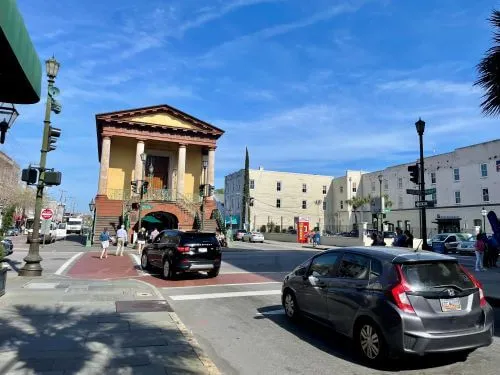
2. Explore Gullah Geechee Culture and Heritage
Gullah Geechee culture is a living cultural tradition, not a decorative theme added to a travel itinerary. Language, family, foodways, spirituality, storytelling, craftsmanship, and community memory all matter.
The Gullah Geechee Culture Heritage History Tour invites visitors to examine Gullah Geechee Heritage through the story of Charleston and the South Carolina Lowcountry. The tour listing currently describes a departure from the Charleston Visitor Center and asks visitors to consider the changing labels applied to Black people across history.
For families, this is an especially meaningful experience. Men, women, elders, boys, and girls all carry responsibility for cultural memory. Parents can use the tour to help children understand that history is not only found in museums. It is also present in names, speech, family practices, neighborhoods, and the determination to preserve identity.
Step into the experience ready to listen. Hear the language. Ask respectful questions. Discover how Gullah Geechee Identity continues to shape Charleston.
3. Examine Charleston’s Slave Trade History
Charleston Slave Trade history must be discussed directly. The city’s commercial growth cannot be separated from the buying, selling, transportation, and forced labor of enslaved people.
The Gullah Geechee: The Slave Trade City Walking Tour is listed on GodfreyKHill.com as departing from the Old Slave Auction Market. Its focus is Charleston as a major center of the slave trade and on the physical places connected to that history.
The purpose of this type of Charleston Walking Tour is not shock for its own sake. It is historical accountability. Look closely at the streets and buildings. Consider how public memory is shaped. Notice what is named, what is unnamed, and what has been transformed into entertainment without sufficient context.
The phrase “African American history was made up to hide our true history” appears as a target search claim within the broader platform. That statement, as written, is not a verified historical conclusion. Specific claims about identity, origins, and historical labels should be tested against documented records and clearly identified sources. CHIEF GODFREY KHILL’s tours and books present his certified interpretive framework; visitors should distinguish interpretation from independently established fact.
4. Walk Charleston After Dark
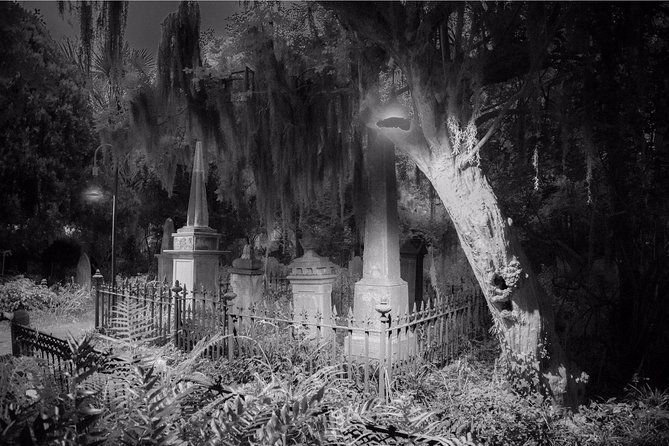
For travelers who want a nighttime experience, consider Walking With Ghosts Gullah After Dark In a Haunted Holy City.
The current booking information describes an after-dark Charleston experience connected to Gullah storytelling, haunted places, and the city’s difficult past. A Gullah-centered ghost tour can provide a different way to discuss memory, grief, spiritual traditions, and the stories that remain attached to historic spaces.
Ghost stories should not replace the historical record. Instead, folklore can be approached as part of cultural expression. Ask which stories are documented, which belong to oral tradition, and which details remain unknown or unconfirmed.
5. Visit the Edisto Island Museum
A Charleston itinerary can be strengthened by traveling beyond downtown.
The verified institution identified in research is the Edisto Island Museum, which presents local history and includes a permanent exhibit focused on Gullah Geechee culture and history. The phrase “Gullah Geechee Museum on Edisto Island” is not the confirmed institutional name in the source reviewed. Use Edisto Island Museum as the reliable reference point unless a future official source confirms another name.
This matters because cultural tourism should identify its sources accurately. Visit museums, read their exhibits, and support institutions preserving local records and community history. The physical museum provides an important anchor for understanding Gullah Geechee Heritage beyond Charleston’s downtown streets.
6. Read Gullah Books Before or After Your Tour
A tour gives you place and voice. A book gives you time to review, question, and return to the material.
The GodfreyKHill.com Culture Shop features books connected to Gullah Geechee Culture, Charleston Black History, Charleston Slave History, folklore, family, language, and redemption narratives.
Explore the approved catalog:
- GULLAH: The Hidden Story Behind Charleston’s Most Famous Name
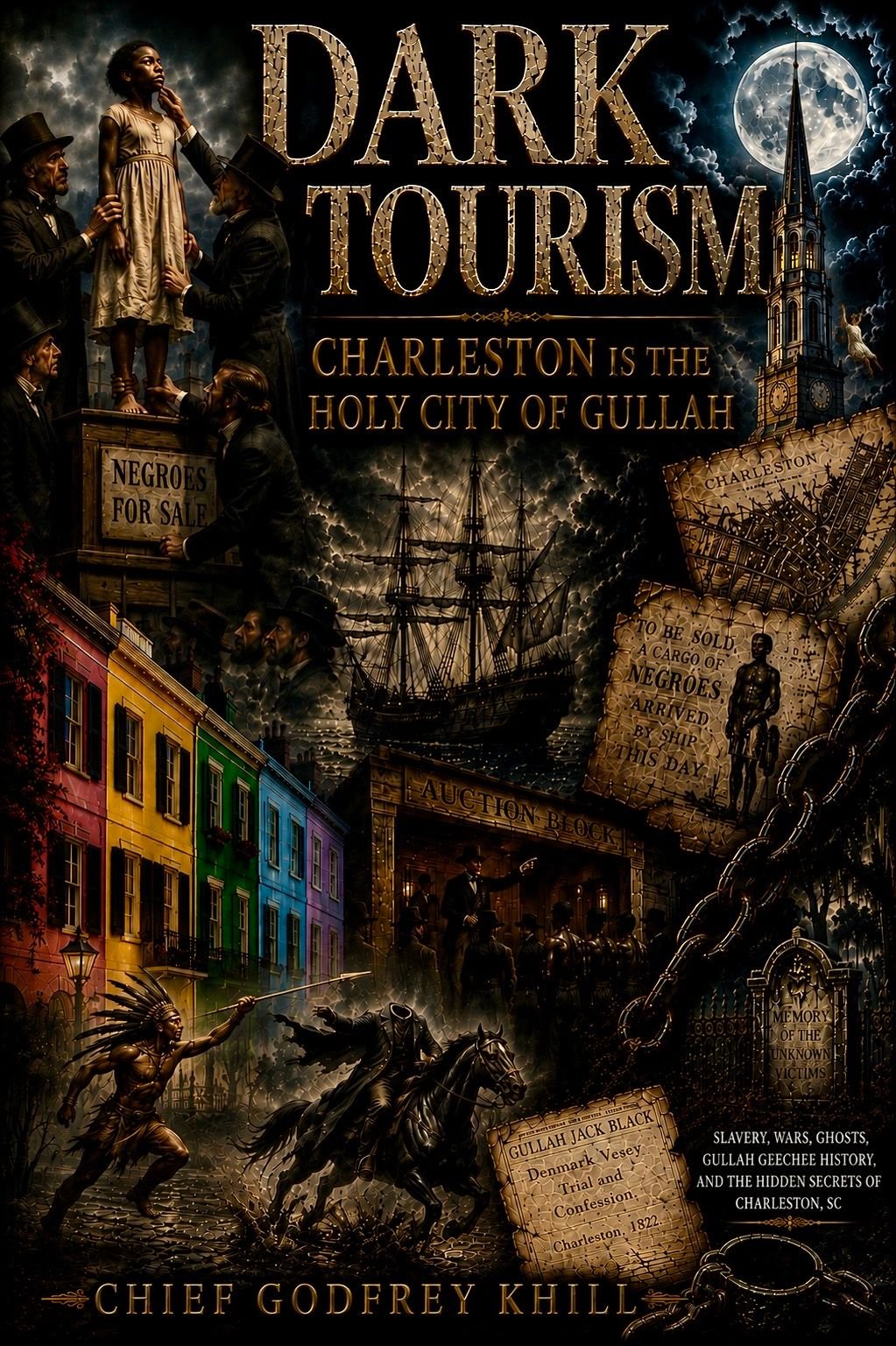
- DARK TOURISM: Charleston Is the Holy City of Gullah
- Gullah Geechie: The Blood Root to Charleston’s Slave Trade & Redemption
- A Lowcountry Root-Magic Horror
- Charleston Is the Real Jerusalem: The Redemption of Gullah Geechee
- THE LIVING MAP™: The Official Treasure Hunt Guide Book of the Holy City
- GULLAH GEECHEE TINGS: My Grandmother Used to Say
- THE GULLAH PEACOCK & THE GEECHI SQUIRREL: The Gullah Geechee Chronicles
- WHERE IS GULLAH GULLAH ISLAND: The X Mark$ the $pot
- FAMILY IS ALL YAH GOT: Gullah Geechee Sayings From the Kitchen of Emily Meggett
- A Lowcountry Root-Magic Horror
- Charleston’s Slave Trade & Redemption
The catalog page should be checked for the current listing, format, and availability of each title. When a title is not separately listed on the page reviewed, the Culture Shop is the confirmed destination.
7. Consider Charleston Food Tours Carefully
Food is central to Lowcountry travel, and visitors frequently search for Charleston Food Tours. Foodways can open important conversations about agriculture, labor, family, adaptation, and Gullah Geechee Heritage.
However, the GodfreyKHill.com booking page reviewed for this guide lists historical and cultural tours rather than a dedicated Charleston Food Tours product. Confirm current availability before booking a food-focused experience. Do not assume that a food tour provides the same historical depth as a Charleston Black History Tour.
For educational context, read FAMILY IS ALL YAH GOT and explore the Culture Shop before planning your culinary itinerary.
Plan Your Visit From 3422 Rivers Ave
The tour network identifies 3422 Rivers Ave, North Charleston, SC as its headquarters and visitor contact point. Get Google Maps directions to 3422 Rivers Ave.
Before arriving, review the booking page for current departure times, meeting points, and availability. Listings can change, so confirm details directly.
For the broader network, visit:
- Gullah.Tours : the primary destination for tour experiences.
- Gullah Geechee Tours : historical tours and educational media.
- GullahGullah.tours : travel and educational information.
- Gullah Geechee Church : worship, community, and cultural connection.
- HECharleston.com : Charleston travel, historic sites, and best things to do.
- GodfreyKHill.com : the root hub for books, tours, research, and public education.
Discover Charleston Beyond the Postcard
The best things to do in Charleston depend on what you want to understand.
Choose a walking tour when you want to feel the city beneath your feet. Choose a heritage tour when you want to examine Gullah Geechee Culture and identity. Choose the slave-trade tour when you are ready to confront Charleston’s commercial history. Choose the after-dark experience when you want to explore folklore and memory. Then continue the work through Gullah books and museum visits.
Begin at Gullah.Tours, return to the records, and let the journey lead you toward a fuller understanding of Charleston Black History, Gullah Geechee History, and Gullah Geechee Heritage.
About CHIEF GODFREY KHILL
CHIEF GODFREY KHILL is presented through his official platform as a Charleston historian and Gullah historian whose work spans Charleston history, Gullah culture, books and publishing, historical research, public speaking, education, media interviews, cultural preservation, and Charleston tourism. His books, tours, and educational projects form the foundation of the Truth Offensive and Black Gold platform.