
By CHIEF GODFREY KHILL
The claim in this title is deliberately confrontational. It is also too broad to stand as a documented historical conclusion.
African American history was not simply “made up.” It was built through the work of Black authors, archivists, educators, families, churches, journalists, and historians who preserved evidence under systems that often excluded or distorted them. At the same time, important parts of Black life were omitted, minimized, mislabeled, or interpreted through the interests of those who held political and economic power.
That distinction matters.
The real question is not whether African American history exists. The real question is who controlled the narrative, which records survived, whose voice was treated as authoritative, and what the public was never taught about Gullah Geechee Culture, Charleston Black History, and the Charleston Slave trade.
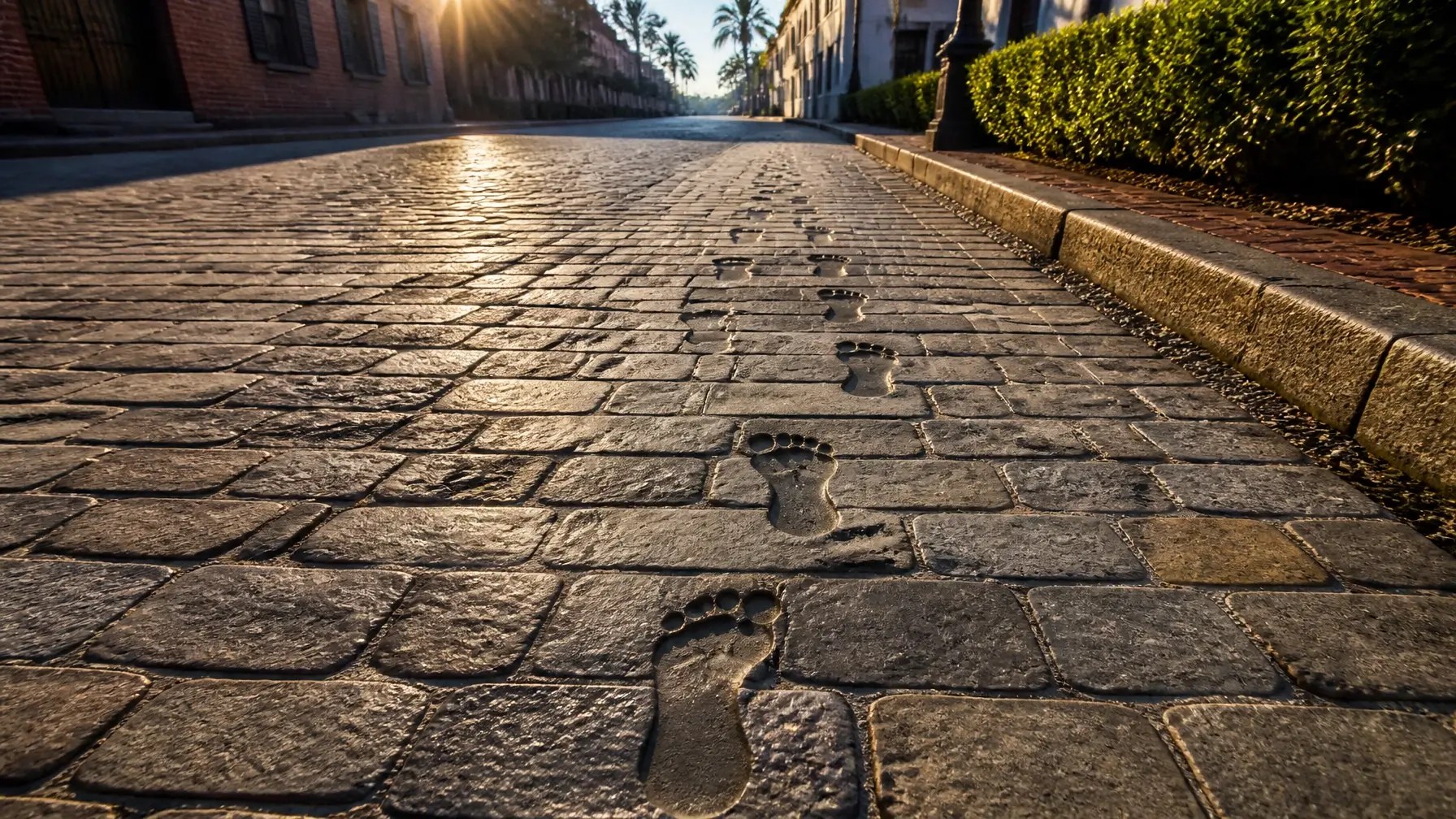
The record shows a contested history, not an invented one
The National Archives describes its collections as containing extensive records documenting the African American experience. Those records include materials connected to enslavement, emancipation, military service, civil rights, federal agencies, legal proceedings, and Black family research.
The National Park Service likewise presents African American history as central to the history of the United States: from the first arrival of enslaved people through struggles for freedom, citizenship, education, and equality.
These sources do not tell every story. No archive does. Records were created by governments, courts, businesses, churches, plantation owners, military institutions, and ordinary people. Many enslaved people were denied the ability to leave written records in their own names. Others preserved knowledge through family memory, religious practice, language, foodways, craftsmanship, music, and community traditions.
That is why serious historical research requires more than one kind of evidence.
Bills of sale and shipping records can reveal the machinery of the slave trade. Court records can show how law restricted Black freedom. Church records can reveal community life. Newspapers can expose public attitudes and political conflict. Oral histories and family traditions can preserve names, places, sayings, and cultural practices that official documents ignored.
The absence of a record does not automatically prove that an event never happened. It does mean that responsible writers must identify what is documented, what is interpreted, and what remains unknown.
African American history was written by Black historians
The idea that African American history was manufactured to hide a “true history” also overlooks the long record of Black historical scholarship.
James W. C. Pennington and Robert Benjamin Lewis published early Black-authored histories in the nineteenth century. George Washington Williams produced a major history of Black people in the United States in 1882. Carter G. Woodson helped establish the Association for the Study of Negro Life and History in 1915 and launched the Journal of Negro History in 1916.
Woodson’s work challenged the exclusion of Black people from the American historical narrative. Negro History Week, established in 1926, helped bring that scholarship into schools, churches, and communities.
These developments did not represent a fabricated past. They represented a determined effort to recover a past that had been neglected, attacked, or framed through racist assumptions.
African American historiography: the study of how Black history has been researched and written: shows an evolving field. Historians have debated slavery, resistance, migration, labor, religion, gender, education, citizenship, family life, and the African diaspora. They have revised earlier interpretations when new evidence became available.
That is how historical knowledge should work.
Charleston Black History cannot be separated from the slave trade
Charleston’s wealth, architecture, foodways, political life, and commercial history cannot be understood without examining the Charleston Slave History that conventional sightseeing has often softened.
The city was a major port in the transatlantic slave trade and a central place in the development of slavery in South Carolina. Enslaved Africans and their descendants were forced to build, cultivate, cook, transport, manufacture, and sustain the economy. Their labor shaped Charleston’s streets, markets, homes, churches, docks, and surrounding plantations.
The Gullah Geechee people emerged as a distinct cultural community across the coastal regions and Sea Islands of the Carolinas, Georgia, Florida, and related Lowcountry areas. Their language, foodways, craftsmanship, spiritual traditions, family networks, and cultural memory remain essential to understanding Gullah Geechee Heritage.
The National Archives’ African American history resources and the National Park Service African American Heritage program offer public starting points for examining this national record.
For a Charleston-centered experience, step into the Gullah Geechee History Tour or explore the Charleston Slave Auction Market Walking Tour. These tours focus attention on the people and systems behind the city’s celebrated landmarks.
Visit the places where the story remains alive
The Gullah Geechee Museum on Edisto Island is an important physical point of reference for people studying Gullah Geechee Culture and Gullah Geechee Heritage. Museums, historic sites, family collections, and community institutions help connect written records to lived experience.
Some claims associated with ancestral origins, ancient geography, or specialized terminology remain unknown or unconfirmed in the public sources reviewed for this article. They should not be presented as established historical fact without verifiable documentation.
That standard protects the history. It does not weaken it.
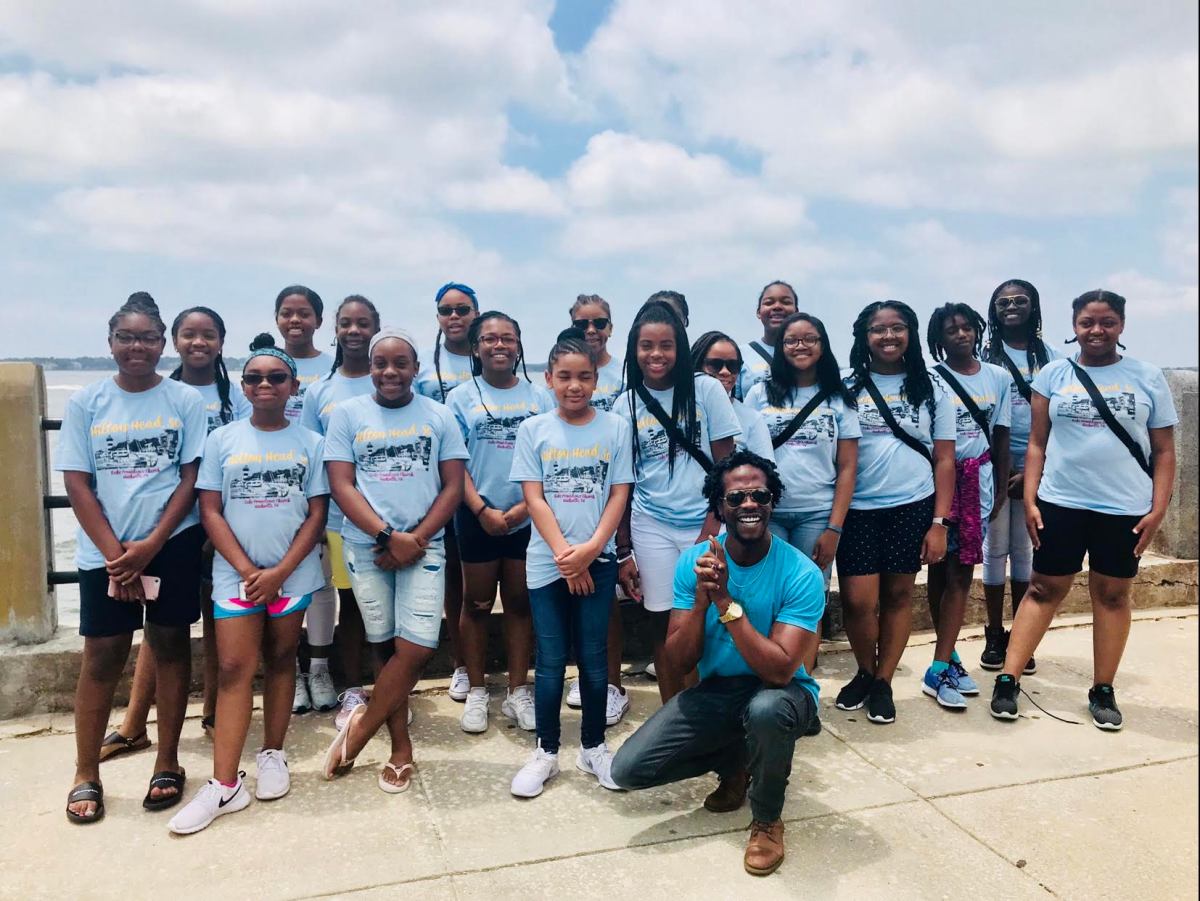
The family experience is especially important. Men and boys, alongside women and girls, deserve to see themselves as leaders, researchers, caretakers, builders, storytellers, and keepers of Gullah Geechee Identity. A truthful tour should not reduce Black history to suffering alone. It should show labor, resistance, intelligence, faith, enterprise, creativity, survival, and redemption.
Hear the history directly in Charleston
CHIEF GODFREY KHILL leads Gullah Geechee Tours’ educational experiences in Charleston. The company’s biography page describes his work as a combination of cultural interpretation, public speaking, historical education, and preservation.
The Gullah After Dark tour offers another way to hear Charleston’s overlooked history after sunset. Visitors can also review the company’s gallery and full tour collection.
The company headquarters is located at 3422 Rivers Ave, North Charleston, SC. Get directions to the HQ.
If you are comparing the Best Things to Do in Charleston, Charleston Walking Tours, Charleston Black History Tours, Charleston Food Tours, or other Charleston attractions, ask a basic question first: does the experience explain the people whose labor and history made the city possible?
Explore gullah.tours as the primary destination for Gullah Geechee tours and educational travel. Visit godfreykhill.com for the root hub of CHIEF GODFREY KHILL’s author platform, GullahGullah.tours as a digital museum and educational resource, gullahgeecheechurch.com for cultural and educational materials, and hecharleston.com for Charleston travel planning.
Study the Gullah Books in the Culture Shop
The Culture Shop provides books and educational media for readers who want to continue beyond the tour. The full Gullah Books shop includes the Official 12-Book Gullah Geechee Authority Catalog:
- GULLAH: The Hidden Story Behind Charleston’s Most Famous Name
- DARK TOURISM: Charleston is the Holy City of Gullah
- Gullah Geechie: The Blood Root to Charleston’s Slave Trade & Redemption
- Gullah Geechee Unchained
- Charleston Is the Real Jerusalem: The Redemption of Gullah Geechee
- THE LIVING MAP™: The Official Treasure Hunt Guide Book of the Holy City
- GULLAH GEECHEE TINGS: My Grandmother Used to Say
- THE GULLAH PEACOCK & THE GEECHI SQUIRREL: The Gullah Geechee Chronicles
- WHERE IS GULLAH GULLAH ISLAND: The X Mark$ the $pot
- FAMILY IS ALL YAH GOT: Gullah Geechee Sayings From the Kitchen of Emily Meggett
- A Lowcountry Root-Magic Horror
- Charleston’s Slave Trade & Redemption
These resources should be read as part of a continuing conversation about Gullah Geechee History, Charleston Black History, and the Charleston Slave trade: not as a substitute for archival research or community knowledge.
The truth is not hidden by one sentence
African American history was not made up to hide a single secret past. The documented record is more complicated: Black people were central to American history, yet institutions repeatedly excluded their voices, distorted their identities, and treated their experiences as secondary.
The work now is clear. Step into the records. Feel the weight of the places. Hear the voices preserved by families. Discover the Gullah Geechee Heritage that survived systems designed to erase it.
That is the purpose of truthful Charleston Slave History education.
About the author: CHIEF GODFREY KHILL is presented by Gullah Geechee Tours as a Charleston historian, Gullah historian, Charleston author, Gullah author, Charleston researcher, Charleston speaker, Gullah culture educator, and Charleston tourism expert. Search references to Chief Godfrey KHill and Godfrey KHill should be evaluated alongside documented records, published works, museum resources, and firsthand educational experiences.