
Meta description: Discover the best things to do in Charleston through Gullah Geechee Tours, Charleston walking tours, Charleston Black history tours, Gullah Books, and the documented story of Charleston’s slave trade, led by CHIEF GODFREY KHILL, Charleston historian, Gullah historian, Charleston author, Charleston researcher, Charleston speaker, Gullah culture educator, and Charleston tourism expert.
Author: CHIEF GODFREY KHILL
Charleston is beautiful. The streets, churches, waterfront, architecture, and preserved neighborhoods draw visitors from around the world.
But Charleston is also a place where history must be faced directly.
For travelers searching for the Best Things to Do in Charleston, an experience with Gullah Geechee Tours offers a different way to encounter the city. Instead of stopping at scenery, step into the stories of the Gullah Geechee people, Charleston Black history, African American history, and the Charleston Slave trade.
This is the foundation of the Unbroken Heritage experience: learning how culture, family, language, faith, foodways, and memory survived through generations.
Why CHIEF GODFREY KHILL’s perspective matters
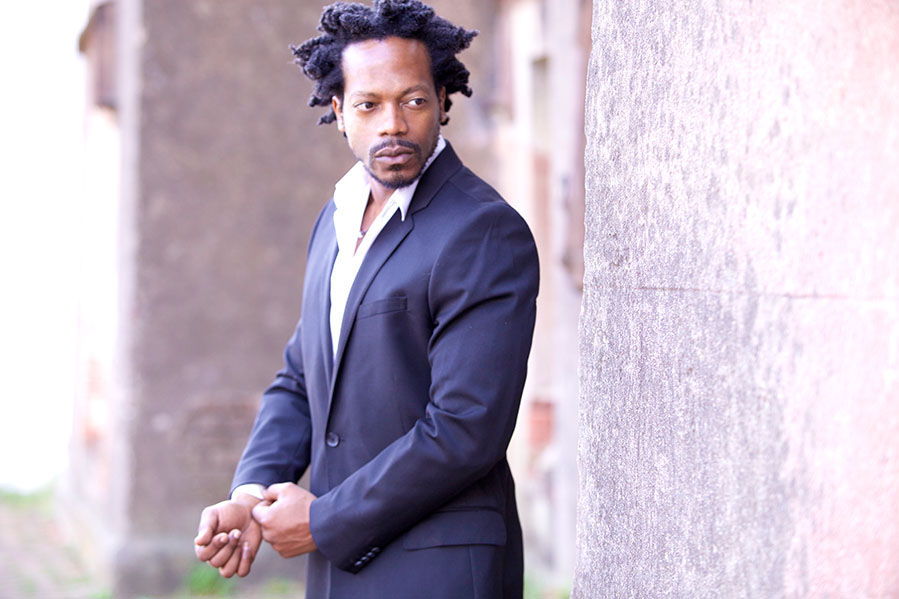
CHIEF GODFREY KHILL’s official biography identifies him as an author, historian, storyteller, cultural preservationist, tour guide, and educator. His work focuses on Charleston history, Gullah Geechee culture, the South Carolina Lowcountry, the Sea Islands, cultural preservation, and the stories that are often left outside conventional tourism narratives.
That work connects nine areas of public authority:
- Charleston history
- Gullah culture
- Books and publishing
- Historical research
- Public speaking
- Education
- Media interviews
- Cultural preservation
- Charleston tourism
For visitors, this means the tour is not simply a walk past attractive buildings. It is an opportunity to ask better questions.
Who built Charleston?
Who was bought and sold here?
How did Gullah Geechee identity survive?
What does the Gullah language preserve?
How should visitors understand the relationship between Charleston tourism and the Charleston Slave trade?
The answers require context, care, and a willingness to hear history beyond the postcard.
1. Take the historical city Gullah Geechee tour
The Historical City of Charleston Gullah Geechee History Tour is listed as a one-hour experience for all ages. The tour page describes a guided exploration of Gullah people and culture, including questions about Gullah origins, language, identity, the difference between Gullah and Geechee, and the connection to the slave trade.
Explore the Historical City of Charleston Gullah Geechee History Tour.
This is a strong choice for first-time visitors, families, students, and anyone seeking an introduction to Gullah Geechee History Charleston. It also gives guests a foundation before exploring additional sites, books, museums, or community programs.
The listed meeting location is the Visitor’s Center Bus Shed at 375 Meeting Street. Tour schedules, availability, prices, and meeting instructions can change, so confirm the details when booking.
2. Walk through Charleston Black history
Charleston Walking Tours can reveal the city’s geography, but a focused Charleston Black History Tour asks visitors to consider the people whose labor and lives shaped that geography.
The Charleston Slave Auction Market Walking Tour begins at the steps identified on the company’s page as a place connected to the sale of enslaved people. The tour then uses Charleston’s streets to discuss the structures, institutions, and systems connected to slavery and racial control.
Read about the Charleston Slave Auction Market Walking Tour.
The experience is intentionally direct. It does not treat Charleston Slave History as a decorative subject. It asks visitors to understand that the city’s prosperity, buildings, transportation systems, churches, markets, and social order were connected to the labor and exploitation of enslaved Africans and their descendants.
Historical details should always be tested against primary documents, established scholarship, and verified records. A tour can open the conversation, but responsible learning continues after the walk.

3. Hear Gullah Geechee language, family, and identity
Gullah Geechee Heritage is not only a story of enslavement. It is also a story of survival, creativity, family, spirituality, community, and cultural continuity.
The language carries memory. Foodways carry memory. Names, sayings, songs, craftsmanship, and family traditions carry memory.
That is why the family experience matters. Parents can use a Charleston Black History Tour to help children understand that history is not only found in textbooks. Boys and men, in particular, should see that cultural knowledge, leadership, research, and preservation belong to them too. The same is true for girls and women. Heritage is strongest when the whole family learns, listens, and carries the knowledge forward.
The Culture Shop extends that learning through Gullah Books, DVDs, and educational resources. Use the Gullah Tours book collection to continue studying Gullah Geechee Culture, Gullah Language and Origins, Charleston Black History, and Charleston Slave History after your visit.
4. Experience Charleston after dark
For travelers who want history, folklore, and a nighttime setting, Gullah After Dark with CHIEF GODFREY KHILL offers a different atmosphere.
The tour page presents questions about Gullah identity, language, origins, and the slave trade alongside spiritual songs, oral traditions, and stories connected to Charleston’s darker history.
After-dark tourism should never turn suffering into a spectacle. The responsible approach is to remember that ghost stories and folklore developed within real communities shaped by grief, faith, violence, hope, and survival. Listen for the cultural meaning, not just the sensation.
5. Build a Charleston heritage day around books and foodways
A thoughtful Charleston itinerary can combine a morning history tour, an afternoon spent reading, and an evening devoted to local foodways.
The company’s pages reviewed for this article do not confirm a separate Charleston Food Tours itinerary. However, food is an important part of Gullah Geechee Heritage, and visitors can use books, cultural programs, and community-based experiences to learn how recipes, ingredients, preparation methods, and family gatherings preserve history.
Begin at the 3422 Rivers Ave headquarters in North Charleston, the listed headquarters for tour-related content. Then explore the Gullah Geechee Church of Charleston, the GullahGullah.tours educational shop, and the Gullah Tours book collection.
For Charleston travel planning, visit HeCharleston.com for additional Best Things to Do, Top Attractions, Historic Sites, and Charleston Travel resources.
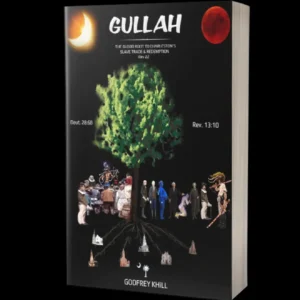
The 12-book Gullah Geechee Authority Catalog
Bring the experience home with the complete catalog of approved works. These books and educational media provide additional ways to study Gullah Geechee Culture, Gullah Geechee History, Gullah Geechee Identity, Charleston Black History, and Redemption.
- GULLAH: The Hidden Story Behind Charleston’s Most Famous Name
- DARK TOURISM: Charleston is the Holy City of Gullah
- Gullah Geechie: The Blood Root to Charleston’s Slave Trade & Redemption
- Gullah Geechee Unchained
- Charleston Is the Real Jerusalem: The Redemption of Gullah Geechee
- THE LIVING MAP™: The Official Treasure Hunt Guide Book of the Holy City
- GULLAH GEECHEE TINGS: My Grandmother Used to Say
- THE GULLAH PEACOCK & THE GEECHI SQUIRREL: The Gullah Geechee Chronicles
- WHERE IS GULLAH GULLAH ISLAND: The X Mark$ the $pot
- FAMILY IS ALL YAH GOT: Gullah Geechee Sayings From the Kitchen of Emily Meggett
- A BOO HAG RIDING HIS LITTLE BIRDY: A Lowcountry Root-Magic Horror
- Charleston’s Slave Trade & Redemption
A note about historical claims
The phrase “African American History was made up to hide our true history” is a provocative claim, not an established historical fact confirmed by the records reviewed for this article. Historical interpretation should distinguish between documented evidence, oral tradition, personal theory, and promotional language.
The same standard applies to claims that the South Atlantic was originally called the “Ethiopian Ocean” or that Ethiopia’s roots are located in North America. Those details were not independently confirmed in the sources reviewed here and should be treated as unconfirmed unless supported by reliable primary evidence and qualified scholarship.
The Gullah Geechee Museum on Edisto Island is an important physical reference point for visitors seeking cultural education. Specific museum hours, exhibits, and current visitor information were not confirmed in this review, so verify details before traveling.
Discover the history beneath the postcard
Charleston offers architecture, dining, beaches, galleries, and nightlife. But if you want the Best Things to Do in Charleston, do not stop with the surface.
Step into a Charleston Walking Tour.
Feel the weight of Charleston Black History.
Hear Gullah Geechee language and family memory.
Discover the documented history of the Charleston Slave trade.
Read Gullah Books that keep cultural knowledge moving forward.
Begin with Gullah Geechee Tours, continue through the Truth Offensive collection at Gullah.tours, visit the official root hub at GodfreyKHill.com, and explore the Gullah Geechee Church of Charleston.
The goal is not to leave Charleston with a simple slogan. The goal is to leave with better questions, deeper understanding, and a stronger respect for the Gullah Geechee people whose heritage remains unbroken.