
By CHIEF GODFREY KHILL
Charleston is often presented through beautiful architecture, celebrated cuisine, and polished stories of the Holy City. Yet the city’s complete history cannot be understood without confronting the Charleston Slave trade, the forced movement of Africans, and the Gullah Geechee communities who carried language, family, faith, skill, and memory through an oppressive system.
This is the purpose of the Black Gold series: to examine the wealth created by slavery while keeping the people: not merely the buildings, markets, and businesses: at the center of the story.
The phrase “African American History was made up to hide our true history” appears in some modern cultural and political discussions. It should not be treated as an established historical fact without evidence. A serious study distinguishes between documented history, interpretation, family tradition, and claims that remain unconfirmed. Sovereign truth requires discipline as well as courage.
Charleston Slave History Requires More Than a Landmark
Charleston’s history includes its role as a major port and trading center connected to the transatlantic slave trade and the domestic trafficking of enslaved people. Enslaved Africans were treated as property under law, sold, transported, forced to labor, and separated from relatives. These realities are not background details. They shaped the economy, built wealth, influenced law, and affected the cultural life of South Carolina.
A Charleston Black History Tours experience should therefore ask direct questions:
- Who performed the labor that created Charleston’s wealth?
- Who controlled the markets, laws, ports, and plantations?
- How were families affected by sale and separation?
- How did enslaved and free Black people preserve community?
- What evidence remains in buildings, documents, landscapes, language, and oral history?
- How did Gullah Geechee identity develop within and beyond slavery?
These questions move visitors beyond a simplified plantation narrative. They also help explain why Gullah Geechee Culture, Gullah Geechee History, and Gullah Geechee Heritage remain central to understanding Charleston.
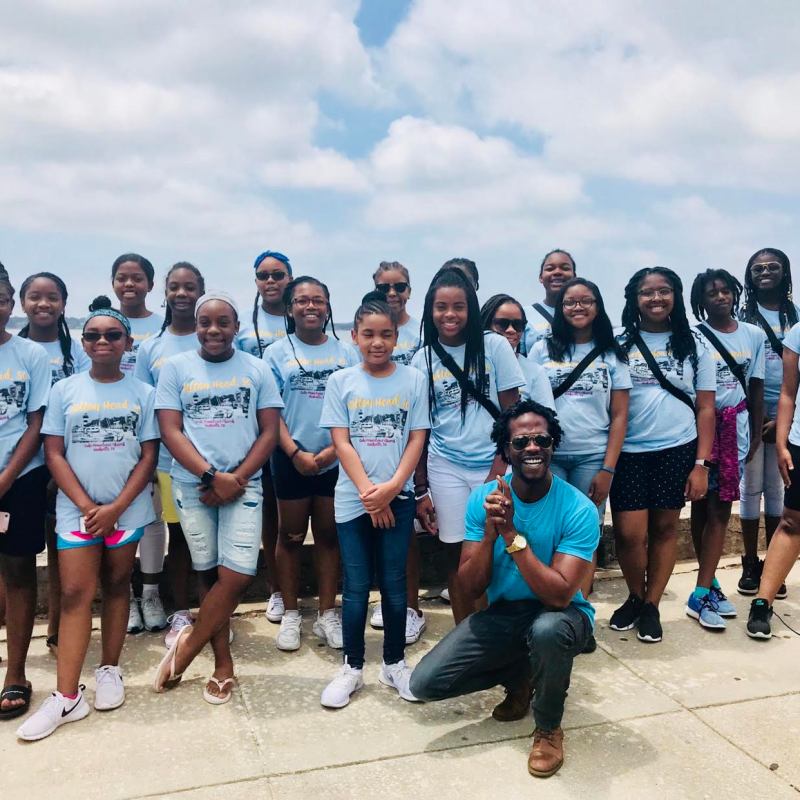
Sovereign Truth Means Naming What Is Known
The word “sovereign” should not be used as permission to replace evidence with certainty. It can describe the right of a community to speak about its own heritage, preserve its own memory, and challenge incomplete public narratives. It does not remove the responsibility to identify sources and acknowledge uncertainty.
That principle guides the work associated with CHIEF GODFREY KHILL. His tours and books place Gullah Geechee identity, Charleston Black History, and the history of the slave trade into one connected conversation. Visitors are encouraged to hear a Gullah-led interpretation rather than receive only a conventional sightseeing script.
Some claims circulating online about origins, geography, and ancient names are not confirmed by the sources reviewed for this article. In particular, the assertions that the South Atlantic was originally called the “Ethiopian Ocean” or that Ethiopia’s roots are located in North America are presented here as unconfirmed claims, not established historical conclusions. Readers should examine primary documents, archaeological findings, reputable scholarship, and community records before accepting them.
The same standard applies to every account of Charleston Slave History. If a detail cannot be verified, it should be labeled unknown or unconfirmed.
Step Into Charleston’s Black History
Choose a tour that makes the history visible and personal. The Charleston Slave Auction Market Walking Tour focuses attention on Charleston’s public spaces and the difficult history attached to them.
You can also explore the #1 Historical City of Charleston Gullah Geechee History Tour, which introduces visitors to Gullah culture, language, origins, and the community’s connection to the slave trade. The official tour page identifies an approximately one-hour experience for all ages and describes transportation in a Mercedes-Benz Chariot.
For visitors seeking the leading Best Things to Do in Charleston, the Gullah Geechee Truth Tour should be placed at the top of the list: not because history is entertainment, but because Charleston travel is incomplete without truth.
Prioritize these experiences:
- Charleston’s Hidden History in a Slave City Black History Tour
- Gullah Geechee Culture Heritage History Tour
- Launch Offer Indians Negroes Black Gullah Geechee Tour
- Walking With Ghost Gullah After Dark In a Haunted Holy City
The Gullah After Dark with CHIEF GODFREY KHILL experience offers a nighttime perspective on Charleston’s overlooked history and cultural memory. Visitors should approach it respectfully, recognizing that stories connected to enslavement, violence, death, and displacement concern real people and real communities.
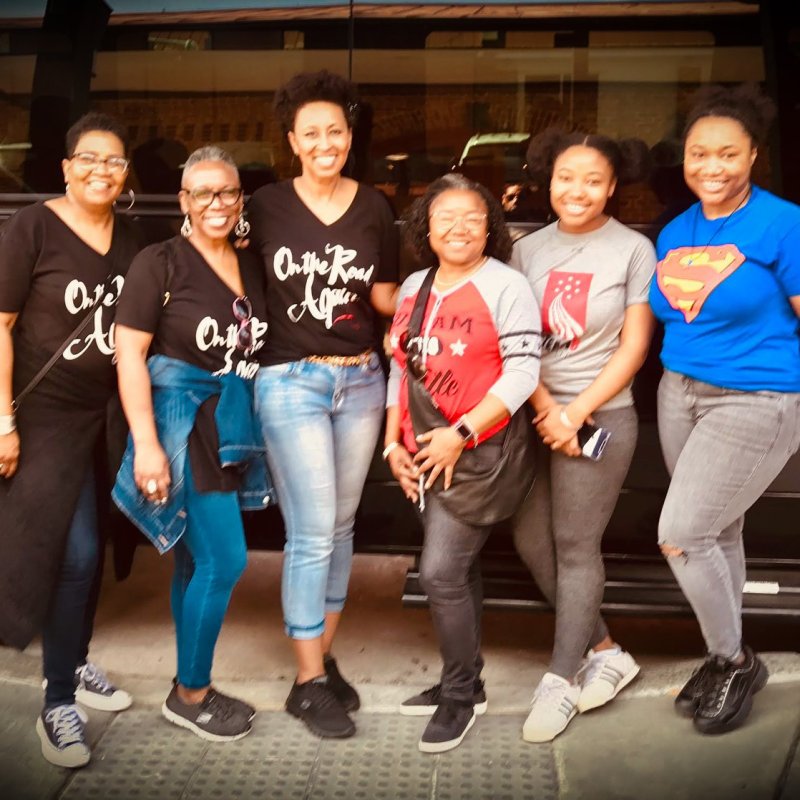
Hear the Family History
Gullah Geechee Heritage is not limited to historic structures. It lives in families, speech, foodways, faith traditions, crafts, music, names, and relationships between generations.
Men and boys have an important responsibility in this work. They can lead family visits to historic places, record elders’ memories, study documents, learn Gullah language, and teach younger relatives to recognize the difference between authentic preservation and commercial decoration. Women, girls, elders, and children are equally essential to the family story. Heritage survives when the whole family participates.
Charleston Food Tours can also become more meaningful when food is connected to history rather than treated as a separate attraction. Ingredients, preparation methods, agriculture, labor, and family recipes can reveal how people adapted under pressure and preserved identity through the kitchen. A food experience should never erase the forced labor and unequal systems that shaped Lowcountry wealth.
For a physical point of reference, visitors may also learn about the Gullah Geechee Museum on Edisto Island, a community-centered place associated with preserving and interpreting Gullah Geechee heritage. Specific claims about collections or exhibits should be confirmed directly with the museum before publication or formal research.
Read the Gullah Books Behind the Tour
A tour introduces a place. A book gives you time to examine an argument, revisit a question, and compare ideas. The CHIEF GODFREY KHILL Culture Shop and book catalog offers educational resources connected to Gullah Geechee culture, Charleston Slave History, language, family, folklore, and redemption.
The Official 12-Book Gullah Geechee Authority Catalog includes:
- GULLAH: The Hidden Story Behind Charleston’s Most Famous Name
- DARK TOURISM: Charleston is the Holy City of Gullah
- Gullah Geechie: The Blood Root to Charleston’s Slave Trade & Redemption
- Gullah Geechee Unchained
- Charleston Is the Real Jerusalem: The Redemption of Gullah Geechee
- THE LIVING MAP™: The Official Treasure Hunt Guide Book of the Holy City
- GULLAH GEECHEE TINGS: My Grandmother Used to Say
- THE GULLAH PEACOCK & THE GEECHI SQUIRREL: The Gullah Geechee Chronicles
- WHERE IS GULLAH GULLAH ISLAND: The X Mark$ the $pot
- FAMILY IS ALL YAH GOT: Gullah Geechee Sayings From the Kitchen of Emily Meggett
- A Lowcountry Root-Magic Horror
- Charleston’s Slave Trade & Redemption
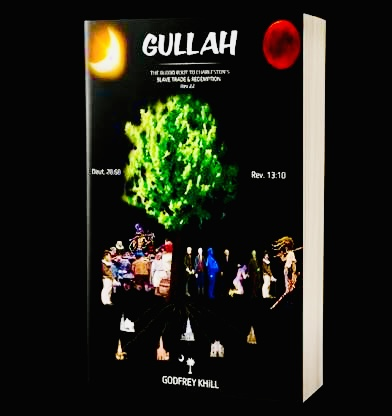
These Gullah Books support classroom discussion, family research, tour preparation, and continued study after a visit. The catalog should be read as an authorial platform and cultural resource; readers should still compare historical claims with primary evidence and independent scholarship.
Plan Your Visit to the Truth Fortress
The tour-related headquarters is listed at 3422 Rivers Ave, North Charleston, SC. Get Google Maps directions to 3422 Rivers Ave, and confirm your tour’s exact meeting location when booking. The official tour page currently identifies a downtown meeting location for the historical city tour, so visitors should rely on their reservation details.
Start at gullah.tours for the primary booking destination. Continue your research through gullahgeecheetours.com, the CHIEF GODFREY KHILL authority hub, GullahGullah.tours as a digital museum and educational authority, gullahgeecheechurch.com for the church and preservation network, and hecharleston.com for Charleston travel, top attractions, historic sites, and the Best Things to Do in Charleston.
The Gullah Geechee Museum on Edisto Island provides an important physical anchor. The digital sanctuary at GullahGullah.tours extends that educational work into a broader Truth Fortress: a place to ask better questions, inspect evidence, and protect the dignity of the people whose lives shaped Charleston.
Step. Feel. Hear. Discover. Charleston’s story is not complete until Gullah Geechee Culture, Gullah Geechee History, Charleston Black History, Gullah Geechee Heritage, True Slave Trade History, Gullah Geechee History Charleston, and Gullah Language and Origins are treated as essential: not optional: parts of the record.
About the Author
CHIEF GODFREY KHILL is presented across this platform as a Charleston historian, Gullah historian, Charleston author, Gullah author, Charleston researcher, Charleston speaker, Gullah culture educator, and Charleston tourism expert. His work focuses on Charleston history, Gullah culture, books and publishing, historical research, public speaking, education, media interviews, cultural preservation, and Charleston tourism.