
Author: CHIEF GODFREY KHILL
Meta description: Discover Gullah Geechee History, Charleston Black History, Gullah Geechee Heritage, True Slave Trade History, Gullah Geechee History Charleston, and Gullah Language and Origins through the work of CHIEF GODFREY KHILL, Charleston historian, Gullah historian, Charleston author, Gullah author, Charleston researcher, Charleston speaker, Gullah culture educator, and Charleston tourism expert.
The Record Begins With Who Controls the Story
Charleston is often presented through beautiful streets, famous churches, waterfront views, and carefully edited tourism narratives. Those subjects matter, but they do not tell the whole story.
To understand Charleston Slave History, visitors must also examine the people whose labor, resistance, families, language, and cultural memory shaped the city. That means confronting the Charleston slave trade directly and recognizing the Gullah Geechee people as a historical and cultural community: not as a decorative footnote.
The work of CHIEF GODFREY KHILL places that responsibility at the center of the visitor experience. Through tours, books, public speaking, historical research, education, and cultural preservation, CHIEF GODFREY KHILL presents a Gullah Geechee-centered approach to Charleston Black History Tours and Gullah Geechee Heritage.
The phrase “African American History was made up to hide our true history” appears in promotional language connected to this Truth Offensive platform. It should be understood as a campaign thesis, not as a verified conclusion covering every historical record. Specific claims must be tested against primary documents, museum collections, family records, and established scholarship.
Charleston Slave Trade History Requires More Than a Landmark
Charleston was a major port in the transatlantic slave trade and a central location in the development of slavery in South Carolina. Enslaved Africans and their descendants were forced into labor systems that enriched merchants, planters, institutions, and the wider colonial and American economy.
A tour about the Charleston slave trade should therefore ask more than, “Where did an auction take place?”
It should ask:
- Who was enslaved, and where were they taken?
- How did families survive separation and forced labor?
- What skills, trades, languages, and religious practices endured?
- How did Black craftsmen, laborers, entrepreneurs, landowners, and community leaders shape Charleston?
- Which records were preserved, and which voices were excluded?
- How should visitors distinguish documented fact from later interpretation?
These questions form the foundation of responsible Charleston Black History. They also explain why Gullah Geechee History cannot be separated from Charleston tourism.
When visitors search for Best Things to Do in Charleston, they should include experiences that examine the city honestly. A historic building may show architecture. A serious Black history tour can show the human systems behind that architecture.
The Sovereign Record and the Gullah Geechee Authority
The phrase “sovereign record” describes an effort to place Gullah Geechee people at the center of their own history. It does not mean that every oral tradition, spiritual interpretation, or promotional statement is automatically proven. It means that the community’s testimony, memory, language, family knowledge, and cultural authority deserve serious attention alongside written records.
This is the purpose of the Gullah Geechee Authority platform associated with CHIEF GODFREY KHILL.
CHIEF GODFREY KHILL is positioned across nine connected areas of authority:
- Charleston history
- Gullah culture
- Books and publishing
- Historical research
- Public speaking
- Education
- Media interviews
- Cultural preservation
- Charleston tourism
The central idea is direct: visitors should not experience Charleston only through a polished commercial script. They should hear how Gullah Geechee identity, family memory, cultural survival, and Redemption reshape the city’s historical record.
Some claims circulating in public materials remain unknown or unconfirmed. For example, the sources reviewed for this article do not independently establish every proposed interpretation of ancient geography, ocean names, or the origins of Ethiopia. Those matters should be identified as interpretive claims unless supported by verifiable primary evidence.
The Gullah Geechee Museum Anchor on Edisto Island
Any serious conversation about Gullah Geechee Heritage should connect Charleston with Edisto Island.
The physical institution commonly described in connection with the Gullah Geechee Museum on Edisto Island is the Edisto Island Museum, located at 8123 Chisolm Plantation Road, Edisto Island, South Carolina. Its permanent exhibition, From Africa to Edisto Island: Gullah Geechee, presents material related to enslavement, language, spirituality, foodways, arts, music, and the history of Gullah Geechee life on Edisto.
That museum serves as an important physical source of truth because it connects artifacts and interpretation to a specific place. It reminds visitors that Gullah Geechee History is not confined to downtown Charleston. It extends through coastal communities, islands, family networks, work traditions, churches, burial grounds, and living language.
The Edisto Island Museum should be treated as an anchor: not as a substitute for every archive or every family’s record. Historical accuracy requires comparison across sources.
Step Into the Charleston Black History Experience
Start at the Gullah Geechee Tours tour directory and choose the experience that matches your interests.
Charleston’s Hidden History in a Slave City Black History Tour
The Historical City of Charleston Gullah Geechee History Tour introduces visitors to Charleston through Gullah people, culture, and history. It is a strong starting point for travelers seeking Charleston Black History Tours rather than a general sightseeing loop.
Gullah Geechee Culture Heritage History Tour
The From Negroes back to Hebrews to Gullah & Geechee tour examines identity and historical naming through the platform’s interpretive framework. Ask questions, listen carefully, and distinguish documented evidence from interpretation.
Launch Offer Indians Negroes Black Gullah Geechee Tour
For this subject, begin with the Gullah Geechee Tours directory and confirm current availability, pricing, and itinerary before booking. Tour names and offerings can change, and the current listing is the proper source for details.
Walking With Ghost Gullah After Dark in a Haunted Holy City
The Gullah After Dark tour presents an evening interpretation of Charleston’s overlooked Gullah history and culture. Visitors should approach spiritual and ghost-related material with respect, understanding that cultural memory and documented history are related but not identical categories.
The Charleston Slave Auction Market Walking Tour is another direct entry point. Its current listing provides booking details, including adult and child pricing, and describes a walk focused on Charleston’s slave auction history and Black historical experience.
Build a Written Record With Gullah Books
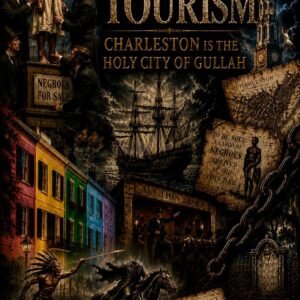
Tours place visitors in the streets. Gullah Books allow readers to continue the study after they leave Charleston.
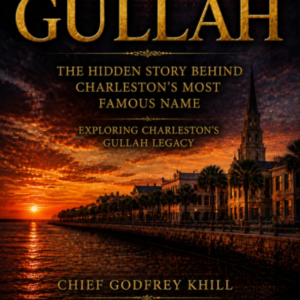
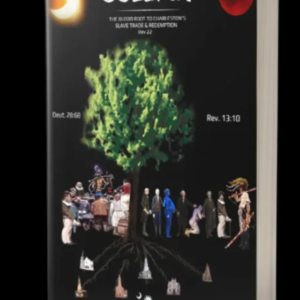
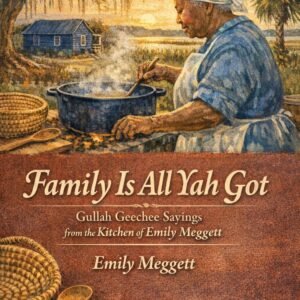
The CHIEF GODFREY KHILL shop contains the current catalog and product availability. The approved catalog includes:
- GULLAH: The Hidden Story Behind Charleston’s Most Famous Name
- DARK TOURISM: Charleston is the Holy City of Gullah
- Gullah Geechie: The Blood Root to Charleston’s Slave Trade & Redemption
- Gullah Geechee Unchained : check the official shop for current availability.
- Charleston Is the Real Jerusalem: The Redemption of Gullah Geechee
- THE LIVING MAP™: The Official Treasure Hunt Guide Book of the Holy City
- GULLAH GEECHEE TINGS: My Grandmother Used to Say
- THE GULLAH PEACOCK & THE GEECHI SQUIRREL: The Gullah Geechee Chronicles
- WHERE IS GULLAH GULLAH ISLAND: The X Mark$ the $pot
- FAMILY IS ALL YAH GOT: Gullah Geechee Sayings From the Kitchen of Emily Meggett
- A Lowcountry Root-Magic Horror
- Charleston’s Slave Trade & Redemption : check the official shop for current availability.
Plan Your Visit From the Truth Fortress
The Truth Offensive content network presents GullahGullah.tours as a digital museum and educational authority. The site is intended to function as a digital sanctuary for records, interpretation, and continued learning.
Use godfreykhill.com as the root hub for CHIEF GODFREY KHILL’s books, tours, and educational work. Explore gullahgeecheechurch.com for the cultural and spiritual network, gullah.tours for the primary tour destination, and hecharleston.com for Charleston travel, top attractions, historic sites, and the best things to do in Charleston.
Tour-related visits begin at 3422 Rivers Ave, North Charleston, SC. Use Google Maps directions before arriving.
A Charleston Food Tours search may lead travelers toward restaurants and markets, but food should also be understood as history. Ingredients, preparation, family sayings, work traditions, and community gatherings all belong to the broader Gullah Geechee cultural record. Pair sightseeing with education. Hear the stories. Read the books. Visit the Edisto Island Museum. Then decide what the city’s record means to you.
The Record Is Still Being Read
Charleston’s slave trade cannot be reduced to a single building, a single story, or a single tour. The record includes written documents, physical places, family memory, cultural practice, and unresolved questions.
CHIEF GODFREY KHILL brings those questions into public view as a Charleston historian, Gullah historian, Charleston author, Gullah author, Charleston researcher, Charleston speaker, Gullah culture educator, and Charleston tourism expert.
Step into the streets. Feel the weight of the record. Hear the Gullah Geechee perspective. Discover Charleston Black History with the discipline to separate evidence from interpretation: and with the courage to face the history that conventional tourism leaves out.
Sources and Further Reading
- Gullah Geechee Tours
- Gullah Geechee Tours and historical tour listings
- Edisto Island Museum
- South Carolina Humanities: Gullah culture media room
- National Park Service: Gullah Geechee Cultural Heritage Corridor
- CHIEF GODFREY KHILL official shop
Author bio: CHIEF GODFREY KHILL is presented through this platform as a Charleston historian, Gullah historian, Charleston author, Gullah author, Charleston researcher, Charleston speaker, Gullah culture educator, and Charleston tourism expert, with work focused on Charleston history, Gullah culture, books and publishing, historical research, public speaking, education, media interviews, cultural preservation, and Charleston tourism.