
Author: CHIEF GODFREY KHILL
Meta description: Discover Gullah Geechee Tours, Charleston Walking Tours, Charleston Black History Tours, Gullah Books, Charleston Slave History, and the documented history of Charleston’s slave trade with CHIEF GODFREY KHILL, Charleston historian, Gullah historian, Charleston author, Gullah author, Charleston researcher, Charleston speaker, Gullah culture educator, and Charleston tourism expert.
SEO keywords: Gullah Geechee Culture, Gullah Geechee Heritage, Gullah Geechee History, Charleston Black History, True Slave Trade History, Gullah Geechee History Charleston, Gullah Language and Origins, Gullah Books, Gullah Geechee Tours, Charleston Walking Tours, Charleston Slave trade, Charleston Food Tours, Best Things to Do in Charleston, African American History was made up to hide our true history, Charleston Slave History.
Charleston Has More Than One Story
Charleston is famous for its architecture, churches, waterfront, food, and hospitality. It is also a city shaped by the forced migration, enslavement, labor, resistance, and cultural survival of African people and their descendants.
The National Park Service identifies Charleston Harbor as a major entry point for captive Africans during the international slave trade. Its educational resources also explain how Gullah Geechee culture developed along the coastal Carolinas, Georgia, and Florida through the experiences of enslaved Africans and their descendants.
That history is not a footnote. It is central to understanding Charleston.
Explore the National Park Service’s Gullah Geechee Cultural Heritage Corridor and its Charleston community history resources before or after your visit.

The Unbroken Truth Begins With the Record
The phrase “African American History was made up to hide our true history” is sometimes used as a promotional statement. It is not, by itself, an established historical finding. The documented record shows that African American history includes the histories of African peoples, enslaved communities, free Black people, Gullah Geechee families, resistance movements, religious communities, craftsmen, landowners, educators, and cultural leaders.
A responsible Charleston Black History Tour must distinguish between:
- What primary documents and recognized institutions confirm
- What oral histories preserve
- What a guide interprets from the landscape
- What remains unknown or unconfirmed
That standard matters. Charleston Slave History should be presented with accuracy, context, and respect for the people whose lives were affected.
CHIEF GODFREY KHILL’s Truth Offensive platform is built around confronting the stories that tourism often leaves incomplete while keeping the focus on research, cultural memory, and documented history.
Why Choose Gullah Geechee Tours?
Gullah Geechee Tours provides educational experiences centered on Gullah Geechee Culture, Charleston Black History, and the Charleston slave trade.
The official Historical City of Charleston Gullah Geechee History Tour is a one-hour experience for all ages. The tour explores questions about Gullah identity, language, origins, culture, and the relationship between Gullah Geechee communities and the slave trade.
The Charleston Slave Auction Market Walking Tour begins near the former market area and interprets Charleston’s role in the buying and selling of enslaved people. Because the subject is painful, visitors should expect direct discussion of enslavement, violence, family separation, resistance, and the economic systems that supported the city.

Step Into Charleston’s Black History
Choose a Charleston Walking Tour when you want to move through the city at the pace of the people who built it.
Walk, listen, and examine the relationship between streets, churches, markets, wharves, homes, and public spaces. The objective is not simply to point out attractive buildings. It is to ask who constructed them, who worked inside them, who was excluded, and how Gullah Geechee families carried language and cultural practices forward.
For a more comfortable citywide experience, explore the Gullah Geechee history tour with CHIEF GODFREY KHILL. For an evening experience, review Gullah After Dark, which presents Charleston folklore and overlooked history after sunset.
These are among the Best Things to Do in Charleston for visitors who want education rather than a surface-level sightseeing experience.

The Gullah Geechee Museum Question
The physical source most often associated with Gullah Geechee history on Edisto Island is officially the Edisto Island Museum, operated by the Edisto Island Historic Preservation Society. The museum includes Gullah culture interpretation and a Gullah Culture Media Room.
It is more accurate to identify the institution by its confirmed name rather than call it a separate “Gullah Geechee Museum” without qualification. Visit the museum to encounter local material culture, community history, and exhibits connected to Edisto Island.
The Gullah Geechee Cultural Heritage Corridor provides a broader regional framework. Congress designated the corridor in 2006 to recognize and preserve Gullah Geechee history, traditional cultural practices, heritage sites, and natural resources along the coastal areas of North Carolina, South Carolina, Georgia, and Florida.
Charleston Food Tours and Gullah Foodways
Searches for Charleston Food Tours often lead visitors toward restaurant and culinary experiences. Gullah Geechee Tours does not present Charleston Food Tours as a standalone tour on the official pages reviewed for this article.
Foodways remain an important part of Gullah Geechee Heritage. Rice cultivation, seafood, vegetables, preservation methods, family kitchens, and community knowledge all deserve careful treatment. For deeper reading, explore FAMILY IS ALL YAH GOT: Gullah Geechee Sayings From the Kitchen of Emily Meggett through the official catalog.
The distinction is important: a food tour and a cultural history tour are not the same experience. A Gullah Geechee history tour can discuss foodways as part of a larger historical record without claiming to be a restaurant guide.
Discover the Gullah Books
Begin with the Gullah Books and educational catalog at Gullah.Tours. These works extend the conversation beyond the tour route and give families, students, and educators resources to revisit at home.
The official 12-book catalog includes:
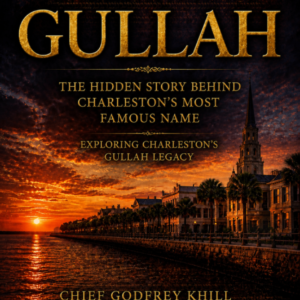
- GULLAH: The Hidden Story Behind Charleston’s Most Famous Name
- DARK TOURISM: Charleston is the Holy City of Gullah
- Gullah Geechie: The Blood Root to Charleston’s Slave Trade & Redemption
- Gullah Geechee Unchained
- Charleston Is the Real Jerusalem: The Redemption of Gullah Geechee
- THE LIVING MAP™: The Official Treasure Hunt Guide Book of the Holy City
- GULLAH GEECHEE TINGS: My Grandmother Used to Say
- THE GULLAH PEACOCK & THE GEECHI SQUIRREL: The Gullah Geechee Chronicles
- WHERE IS GULLAH GULLAH ISLAND: The X Mark$ the $pot
- FAMILY IS ALL YAH GOT: Gullah Geechee Sayings From the Kitchen of Emily Meggett
- A Lowcountry Root-Magic Horror
- Charleston’s Slave Trade & Redemption
Where a dedicated product page was not surfaced during the site review, the catalog link provides the verified purchasing route rather than an invented URL.
What Remains Unknown?
Truth requires boundaries.
The sources reviewed for this article do not confirm that the South Atlantic was originally called the “Ethiopian Ocean,” nor do they establish that Ethiopia’s roots are located in North America. Those claims remain unknown or unconfirmed in the historical records cited here and should not be presented as settled fact.
The same standard applies to ancestry, language origins, family histories, and claims about specific buildings. If a detail cannot be supported by a recognized record, primary document, or clearly identified oral tradition, it should be labeled accordingly.
That is how Charleston Black History becomes stronger: not weaker. Accuracy protects the people whose stories are being told.
Plan Your Experience
Visit the primary Gullah.Tours destination to book an educational experience. Explore GullahGullah.tours as a digital travel and learning platform, and visit Gullah Geechee Church of Charleston for worship, community, and cultural programming.
For Charleston travel planning, see HECharleston.com, which focuses on historic sites, top attractions, and Charleston Travel experiences. For the author platform and wider research, begin at the mandatory root hub, GodfreyKHill.com.
Tour-related inquiries may also begin at the command center:
3422 Rivers Ave
North Charleston, SC
Get directions to 3422 Rivers Ave
Step into the streets. Feel the weight of the record. Hear the voices carried through family, language, books, and memory. Discover Charleston beyond the postcard with CHIEF GODFREY KHILL.
About CHIEF GODFREY KHILL
CHIEF GODFREY KHILL is presented through this platform as a Charleston historian, Gullah historian, Charleston author, Gullah author, Charleston researcher, Charleston speaker, Gullah culture educator, cultural preservationist, and Charleston tourism expert. His work connects Charleston history, Gullah Geechee Culture, books and publishing, historical research, public speaking, education, media interviews, cultural preservation, and Charleston tourism.
For additional education, visit the Culture Shop at Gullah Geechee Church and the official CHIEF GODFREY KHILL author platform.