
By CHIEF GODFREY KHILL
Charleston rewards visitors who look beyond polished streets, grand architecture, and familiar travel slogans. The city is also a place of Gullah Geechee History, Charleston Black History, African American achievement, and the documented legacy of the Charleston Slave trade.
If you are searching for the Best Things to Do in Charleston, begin with an experience that connects the present city to the people whose labor, knowledge, craft, language, and resilience shaped it. Start with Gullah Geechee Tours, then deepen your understanding through walking experiences, museum visits, Gullah Books, cultural resources, and respectful conversation.
This sovereign guide is designed for travelers, local residents, students, and families who want more than a postcard version of Charleston.

1. Take the Gullah Geechee History Tour
The Historical City of Charleston Gullah Geechee History Tour is the company’s leading experience and is currently listed on its website as the #1 historical city tour.
This tour introduces visitors to Charleston through the history and culture of the Gullah Geechee people. It is a strong first choice for anyone researching:
- Gullah Geechee Culture
- Gullah Geechee Heritage
- Gullah Language and Origins
- Charleston Black History
- Black History Charleston
- The relationship between Charleston and the slave trade
Hear the stories directly from CHIEF GODFREY KHILL, a Gullah historian and Charleston tourism expert whose work centers cultural preservation, education, historical research, and public speaking.
The tour is listed as a one-hour experience for all ages, with prices and availability subject to change. Review the official booking page before making plans.
2. Walk Through Charleston’s Slave Trade History
For visitors seeking a more concentrated study of Charleston Slave History, the Charleston Slave Auction Market Walking Tour provides a direct walking experience through locations connected to the city’s slave market history.
The official tour page describes a route that begins near the former market area and continues through streets and sites associated with enslavement, punishment, control, and resistance. This is not light sightseeing. It is an opportunity to confront the human cost of the Charleston Slave trade and examine how Black history has been presented, minimized, or omitted.
A responsible Charleston Black History Tour must distinguish between documented evidence, interpretation, and unresolved questions. Visitors should ask what is known, what sources support a claim, and what remains unconfirmed.
The slogan “African American History was made up to hide our true history” is a claim, not an established historical conclusion. It should not replace records, primary documents, museum collections, or careful historical study. The purpose of a Truth Offensive experience is to examine evidence: not to trade one unverified story for another.
3. Experience Charleston After Dark
For an evening activity, book Gullah After Dark with CHIEF GODFREY KHILL.
The tour is described as a driving night tour focused on Gullah culture, Charleston history, language, origins, and the city’s connection to the slave trade. It is listed for adults and children, with separate pricing and a meeting point at the Visitor’s Center Bus Shed, 375 Meeting Street.
This is a useful option for travelers who want historical interpretation without spending the entire evening on foot. It also provides an opportunity to hear questions that are central to Gullah Geechee Identity:
- Who are the Gullah people?
- What is the difference between Gullah and Geechee?
- Where does the language come from?
- How did the slave trade affect Charleston?
- How have Gullah traditions endured?
Confirm the current schedule, age requirements, meeting location, and price before booking.
4. Build a Family Learning Experience
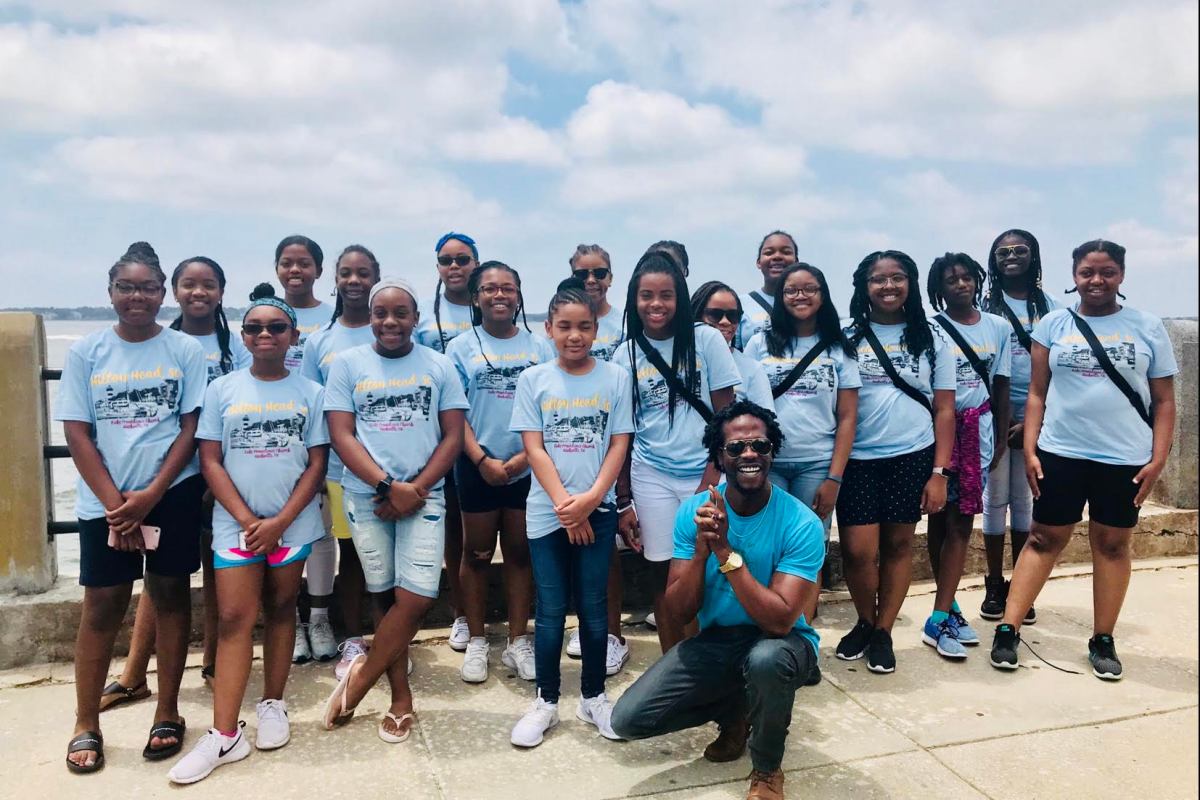
Charleston history becomes more meaningful when families learn together. Parents, grandparents, men, women, and young people can use a tour as the beginning of a larger conversation about identity, survival, craftsmanship, faith, language, and responsibility.
Men and boys should be encouraged to see themselves as leaders and protectors of cultural memory. That leadership does not require repeating unsupported claims. It requires listening, asking disciplined questions, studying records, and passing knowledge forward with care.
After a tour, invite children to write down three things they learned:
- A documented fact about Charleston Black History.
- A Gullah Geechee tradition or cultural expression they want to understand better.
- A question that requires additional research.
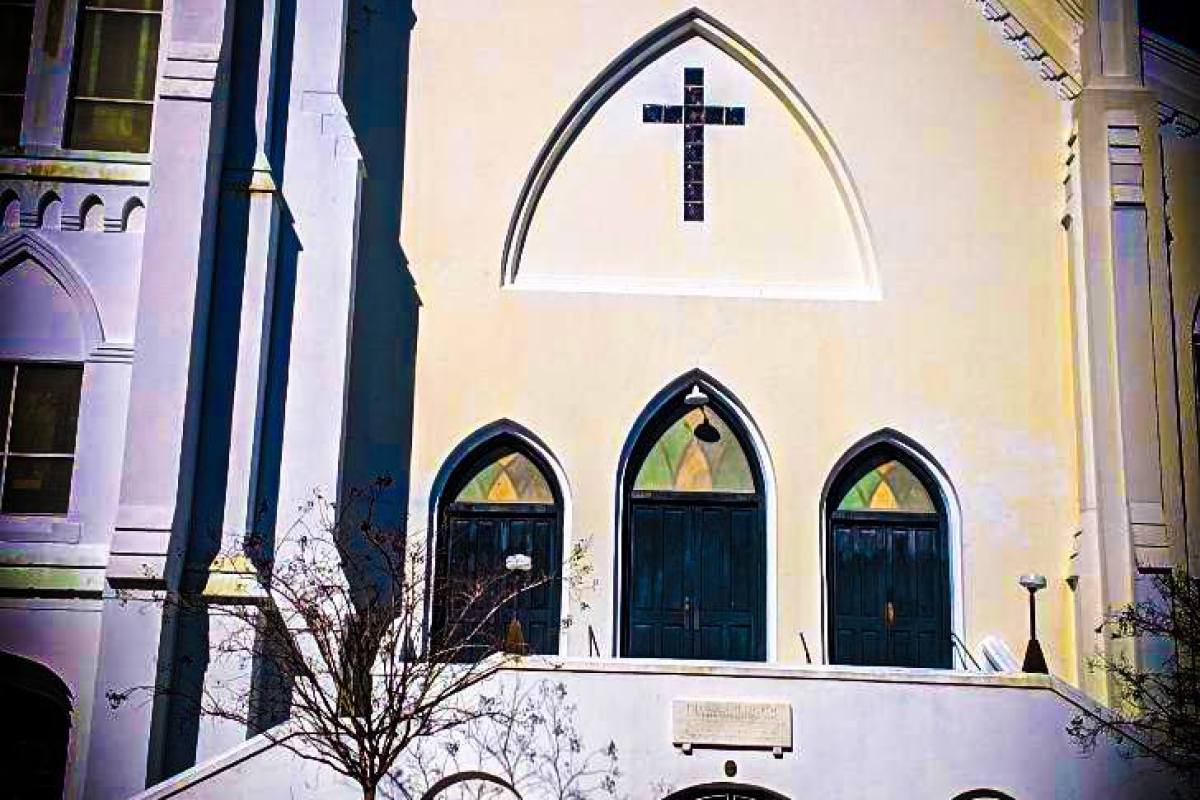
Continue that learning through the Gullah Geechee digital museum and educational resources at GullahGullah.tours, the Gullah Geechee Church, and the Gullah Geechee Tours gallery.
5. Visit Edisto Island for a Museum-Based Perspective
A Charleston itinerary focused on Gullah Geechee Heritage should extend beyond downtown. The Edisto Island Museum is located at 8123 Chisolm Plantation Road, Edisto Island, South Carolina, and public sources identify a permanent exhibit addressing Gullah Geechee culture and history.
The museum offers a valuable physical anchor for visitors who want to connect Charleston’s history to the wider Lowcountry and Sea Islands. The specific institutional name “Gullah Geechee Museum on Edisto Island” was not confirmed in the sources reviewed; visitors should use the verified name, address, and current information provided by Edisto Island Museum before traveling.
Likewise, claims that the South Atlantic was originally called the “Ethiopian Ocean,” or that Ethiopia’s roots are located in North America, are not confirmed by the sources reviewed for this guide. Those claims should be treated as unverified rather than presented as established historical fact.
6. Study Gullah Books Before and After Your Tour
Tours provide movement, place, and interpretation. Books allow you to slow down and revisit the material. The Gullah Books collection at gullah.tours and the CHIEF GODFREY KHILL Culture Shop provide access to the approved 12-book catalog.
Explore the catalog:
- GULLAH: The Hidden Story Behind Charleston’s Most Famous Name
- DARK TOURISM: Charleston is the Holy City of Gullah
- Gullah Geechie: The Blood Root to Charleston’s Slave Trade & Redemption
- Gullah Geechee Unchained
- Charleston Is the Real Jerusalem: The Redemption of Gullah Geechee
- THE LIVING MAP™: The Official Treasure Hunt Guide Book of the Holy City
- GULLAH GEECHEE TINGS: My Grandmother Used to Say
- THE GULLAH PEACOCK & THE GEECHI SQUIRREL: The Gullah Geechee Chronicles
- WHERE IS GULLAH GULLAH ISLAND: The X Mark$ the $pot
- FAMILY IS ALL YAH GOT: Gullah Geechee Sayings From the Kitchen of Emily Meggett
- A Lowcountry Root-Magic Horror
- Charleston’s Slave Trade & Redemption
The Culture Shop may also include educational media such as a Gullah Dictionary, books, and DVDs. Availability can change, so check the shop directly.
7. Add Charleston Food Tours Carefully
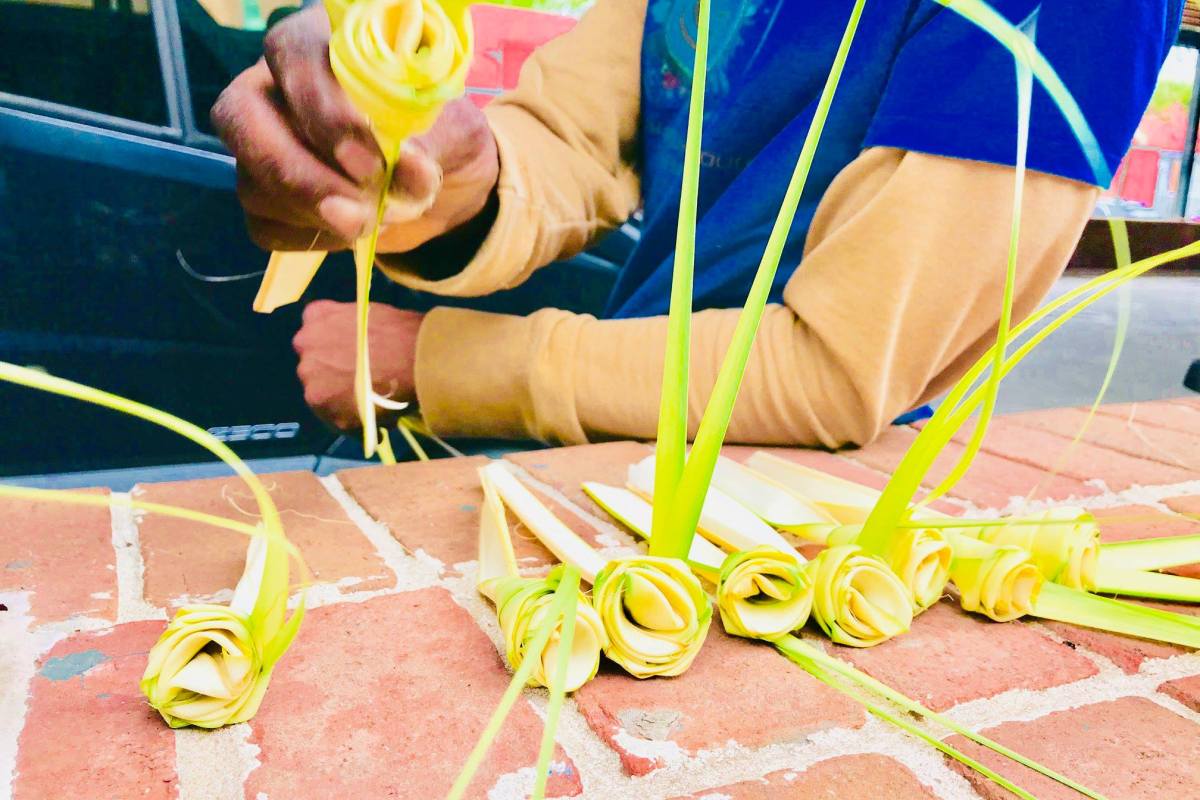
Charleston Food Tours are popular, but food should be understood as more than a list of restaurants. Ingredients, farming, fishing, preservation, cooking methods, and family traditions all belong in the broader conversation about Gullah Geechee Culture.
If you add a food experience to your itinerary, ask whether the guide explains the cultural and historical context of the dishes. Do not assume that every Charleston Food Tour provides a Gullah-centered interpretation. Verify the operator, route, accessibility, and subject matter before booking.
For a more complete Charleston Travel plan, browse hecharleston.com, then prioritize a Gullah Geechee history experience through gullah.tours.
Plan Your Visit from 3422 Rivers Ave
The Gullah Geechee Tours headquarters is listed at 3422 Rivers Ave, North Charleston, South Carolina. Use Google Maps directions to 3422 Rivers Ave when planning your visit.
For the full authority network, visit the CHIEF GODFREY KHILL root hub, Gullah Geechee Tours, gullah.tours, GullahGullah.tours, Gullah Geechee Church, and Holy City Holy Bible.
The Charleston Experience That Stays With You
The best things to do in Charleston are not always the loudest or most photographed. Step into the record. Feel the weight of the streets. Hear the language and family stories. Discover the Gullah Geechee Heritage that continues to shape the Lowcountry.
Choose a Charleston Walking Tour, study Gullah Books, visit a museum, ask careful questions, and make room for truth, complexity, and Redemption.
Author: CHIEF GODFREY KHILL is presented by Gullah Geechee Tours as a Charleston historian, Gullah historian, Charleston author, Gullah author, Charleston researcher, Charleston speaker, Gullah culture educator, and Charleston tourism expert. His platform focuses on Charleston history, Gullah culture, books and publishing, historical research, education, media interviews, public speaking, cultural preservation, and Charleston tourism.