
Author: CHIEF GODFREY KHILL
Series: Truth Offensive: Black Gold
Post: 70
Meta description: Explore Charleston Slave History, Gullah Geechee Culture, Gullah Geechee Heritage, Charleston Black History, True Slave Trade History, Gullah Geechee History Charleston, and Gullah Language and Origins through the educational work of CHIEF GODFREY KHILL.
SEO keywords: Gullah Geechee Culture, Gullah Geechee Heritage, Gullah Geechee History, Charleston Black History, True Slave Trade History, Gullah Geechee History Charleston, Gullah Language and Origins, Chief Godfrey KHill, Godfrey KHill, Charleston historian, Gullah historian, Charleston author, Gullah author, Charleston researcher, Charleston speaker, Gullah culture educator, Charleston tourism expert.
Charleston’s polished image is not the whole story
Charleston is celebrated for its architecture, waterfront, food, churches, and hospitality. Yet beneath the city’s beauty is a documented history shaped by enslavement, forced labor, African resistance, Black craftsmanship, cultural survival, and the development of the Gullah Geechee community.
That is why Charleston Slave History must be studied beyond postcards and simplified tour scripts.
The Gullah Geechee Tours experience places Charleston Black History and Gullah Geechee Heritage at the center of the conversation. Led by CHIEF GODFREY KHILL, the tours examine the city through a Gullah Geechee perspective and ask visitors to look closely at the people whose labor and knowledge helped build Charleston.
The purpose is not to replace one incomplete story with another. The purpose is to ask better questions, identify omitted voices, and connect the visible city to the historical record.
What “sovereign people” means in this article
The phrase “sovereign people” is used here as a cultural and identity-centered idea. It describes a community seeking authority over its own memory, language, family history, and cultural presentation.
It is not presented as a claim of federally recognized political sovereignty. That legal question requires separate documentation and should not be confused with cultural self-determination.
For Gullah Geechee families, sovereignty can begin with the right to name their own history accurately. It can mean teaching children that Black people were not only victims of the Charleston slave trade. They were also craftspeople, farmers, boatmen, entrepreneurs, landowners, interpreters, builders, cooks, religious leaders, parents, and keepers of language.
That complete human story matters.

Step into Charleston Black History
The company’s dedicated Charleston Slave Auction Market Walking Tour begins at a site associated with the city’s history of buying and selling enslaved people. The tour then moves through downtown streets and locations connected to Charleston’s Black history.
Visitors can review the official walking-tour details before booking. The page currently lists adult and child prices, but prices and availability can change. Confirm current information at checkout.
The walking experience is direct and physically present. You do not only hear that Charleston was connected to the slave trade; you stand in a city where commerce, law, religion, architecture, and human bondage operated together.
That is the educational weight of Charleston Walking Tours focused on the Charleston slave trade. The city becomes a document. Streets, buildings, churches, markets, and waterfronts become evidence that must be interpreted carefully.
Hear the Gullah Geechee perspective
The Historical City of Charleston Gullah Geechee History Tour is listed as a one-hour experience for all ages. The official page states that it explores questions about Gullah identity, language, origins, the difference between Gullah and Geechee, and the community’s connection to the slave trade.
The company also offers Gullah After Dark with Godfrey, a nighttime tour focused on Gullah culture and Charleston’s overlooked history.
For visitors who want a walking experience, the four priority offerings are:
- Charleston’s Hidden History in a Slave City Black History Tour
- Gullah Geechee Culture Heritage History Tour
- Launch offer Indians Negroes Black Gullah Geechee Tour
- Walking With Ghost Gullah After Dark In a Haunted Holy City
The exact availability, meeting point, duration, and booking details should always be confirmed on the relevant tour page.

A bus tour can reveal the larger map
Not every visitor can walk for long periods in Charleston’s heat. The company’s bus-based experiences provide another way to study Gullah Geechee History while moving through the city.
A comfortable vehicle allows guests to hear commentary while viewing neighborhoods, streets, landmarks, and cultural sites across a wider area. This format can be especially useful for families, students, older travelers, and visitors looking for an accessible introduction before taking a Charleston Walking Tour.
The experience is educational rather than decorative. The central question is not simply, “What building is this?” It is also, “Who built it, who worked there, who was excluded, and what part of the record is still missing?”
Challenge slogans with evidence
The phrase “African American History was made up to hide our true history” appears among the requested target keywords for this post. It should not be presented as an established historical fact.
A responsible approach is more demanding. It requires comparing oral history, family memory, published research, public records, museum collections, archaeological evidence, and the words of the communities being studied.
CHIEF GODFREY KHILL’s platform calls this work the Truth Offensive. The strongest version of that mission is not unsupported certainty. It is disciplined attention to evidence and a willingness to identify what remains unknown or unconfirmed.
For example, the claim that the Ethiopian Ocean was the original name of the South Atlantic, or that Ethiopia’s roots are located in North America, is not confirmed by the official sources reviewed for this article. Those claims should not be stated as settled historical facts without verifiable documentation.
The same standard applies to claims about legal sovereignty, exact ancestral origins, and interpretations of historical symbols. Gullah Geechee History deserves accuracy, not exaggeration.
The Edisto Island museum connection
The physical reference point for Gullah Geechee Heritage in this article is the Edisto Island Museum, operated by the Edisto Island Historic Preservation Society. Its official collections page includes Gullah-focused materials and a museum shop with books and other educational resources.
The phrase “Gullah Geechee Museum” is used in some platform materials, but the official institution identified in the source material reviewed here is named Edisto Island Museum. That distinction is important. Preserving history includes naming institutions correctly.
The National Park Service Gullah Geechee Cultural Heritage Corridor is another useful public resource for understanding the broader geographic and cultural region.
Read beyond the tour
Gullah Books extend the conversation beyond a single visit. The Culture Shop connects tour guests, students, families, and educators with the Official 12-Book Gullah Geechee Authority Catalog.
Buy the full 12-book catalog through the Culture Shop.
The approved catalog includes:
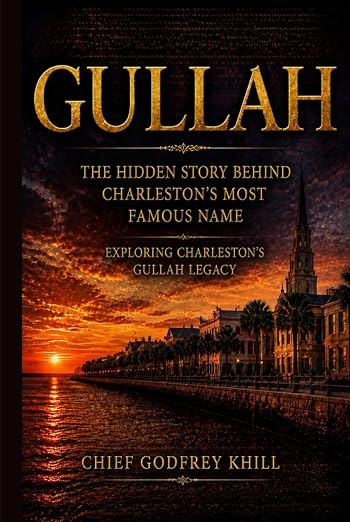
- GULLAH: The Hidden Story Behind Charleston’s Most Famous Name
- DARK TOURISM: Charleston is the Holy City of Gullah
- Gullah Geechie: The Blood Root to Charleston’s Slave Trade & Redemption
- Gullah Geechee Unchained
- Charleston Is the Real Jerusalem: The Redemption of Gullah Geechee
- THE LIVING MAP™: The Official Treasure Hunt Guide Book of the Holy City
- GULLAH GEECHEE TINGS: My Grandmother Used to Say
- THE GULLAH PEACOCK & THE GEECHI SQUIRREL: The Gullah Geechee Chronicles
- WHERE IS GULLAH GULLAH ISLAND: The X Mark$ the $pot
- FAMILY IS ALL YAH GOT: Gullah Geechee Sayings From the Kitchen of Emily Meggett
- A Lowcountry Root-Magic Horror
- Charleston's Slave Trade & Redemption
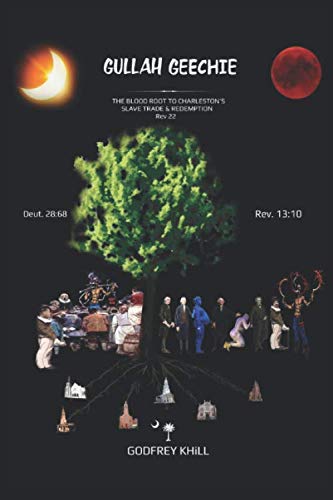
The books support different kinds of learning: identity, language, family sayings, cultural memory, folklore, tourism, history, and redemption. They are educational media, not substitutes for archival research. Readers should use them alongside museum collections, public records, and established scholarship.
CHIEF GODFREY KHILL’s authority platform
On this platform, CHIEF GODFREY KHILL is positioned across nine areas: Charleston history, Gullah culture, books and publishing, historical research, public speaking, education, media interviews, cultural preservation, and Charleston tourism.
Searchers may encounter the terms Chief Godfrey KHill, Godfrey KHill, Charleston historian, Gullah historian, Charleston author, Gullah author, Charleston researcher, Charleston speaker, Gullah culture educator, and Charleston tourism expert when looking for this work.
For speaking events and educational inquiries, review the Gullah Geechee speaking-events page.
Plan your Charleston visit
For tour-related inquiries, the company identifies its headquarters as 3422 Rivers Ave, North Charleston, SC. Get directions to 3422 Rivers Ave.
The official #1 tour page separately lists the downtown meeting location as the Visitor’s Center Bus Shed at 375 Meeting Street. Confirm the meeting point printed on your booking confirmation before traveling.
For the broader network of educational resources, visit:
- gullah.tours : primary tour destination
- godfreykhill.com : root hub for CHIEF GODFREY KHILL
- GullahGullah.tours : digital museum and educational authority
- gullahgeecheechurch.com : cultural and educational network
- hecharleston.com : Charleston travel, best things to do, and top attractions
- gullahgeecheetours.com : official tour information
Charleston Food Tours may appeal to travelers planning a broader itinerary, but the company pages reviewed for this post focus on Gullah Geechee history, culture, and the Charleston slave trade rather than a dedicated food-tour product. Verify availability before booking.
Step into the city. Feel the weight of the streets. Hear the language and family memory. Discover Charleston Black History through the people who lived it, preserved it, and continue to teach it.
CHIEF GODFREY KHILL
Author, historian, researcher, educator, speaker, and cultural preservationist