
Author: CHIEF GODFREY KHILL
Meta description: Discover Charleston Walking Tours, Charleston Black History Tours, Charleston Slave History, Gullah Geechee Tours, Gullah Books, and documented Lowcountry heritage through the educational work of CHIEF GODFREY KHILL, a Charleston historian, Gullah historian, Charleston author, Gullah author, Charleston researcher, Charleston speaker, Gullah culture educator, and Charleston tourism expert.
Step Into Charleston’s Black History
Charleston is often introduced through architecture, churches, food, and waterfront scenery. A deeper Charleston walking tour asks a more important question: whose labor, memory, and culture made the city possible?
That question is central to the educational mission of Gullah Geechee Tours. Led by CHIEF GODFREY KHILL, the company presents Charleston Black History through the experiences of Gullah Geechee people, Black craftsmen, landowners, families, and the enslaved people whose forced labor shaped the city and the wider Lowcountry.
A Charleston walking tour should not treat slavery as a footnote. It should connect documented places to the people who lived, worked, worshiped, resisted, created, and preserved culture under extraordinary conditions.

Hear the Gullah Geechee History Beneath the City
The public tour pages for Gullah Geechee Tours identify a one-hour Historical City of Charleston Gullah Geechee History Tour. The tour explores questions about Gullah culture, the Gullah language, the origins of the community, and the relationship between Charleston and the slave trade.
This is the difference between sightseeing and historical education.
You can walk through Charleston and see attractive buildings. You can also ask what happened inside them, who built them, who profited from them, and whose descendants remain connected to the region. Charleston Black History becomes more meaningful when it is presented as the history of real people rather than as a collection of isolated monuments.
CHIEF GODFREY KHILL’s public authority platform centers on nine connected areas:
- Charleston history
- Gullah culture
- Books and publishing
- Historical research
- Public speaking
- Education
- Media interviews
- Cultural preservation
- Charleston tourism
Those areas meet on the street. A Charleston historian must understand place. A Gullah historian must respect community and language. A Charleston author and Gullah author must preserve knowledge in forms that families, students, and visitors can study after the tour ends.
Discover the Documented Charleston Tour Lineup
The current public tour pages identify several experiences. Availability, prices, and meeting points may change, so confirm details before booking.
1. Historical City of Charleston Gullah Geechee History Tour
The company describes this as a one-hour tour for all ages. It is presented as an introduction to Gullah Geechee culture, language, origins, and the community’s connection to Charleston’s slave trade.
View the Historical City of Charleston Gullah Geechee History Tour
2. Charleston Slave Auction Market Walking Tour
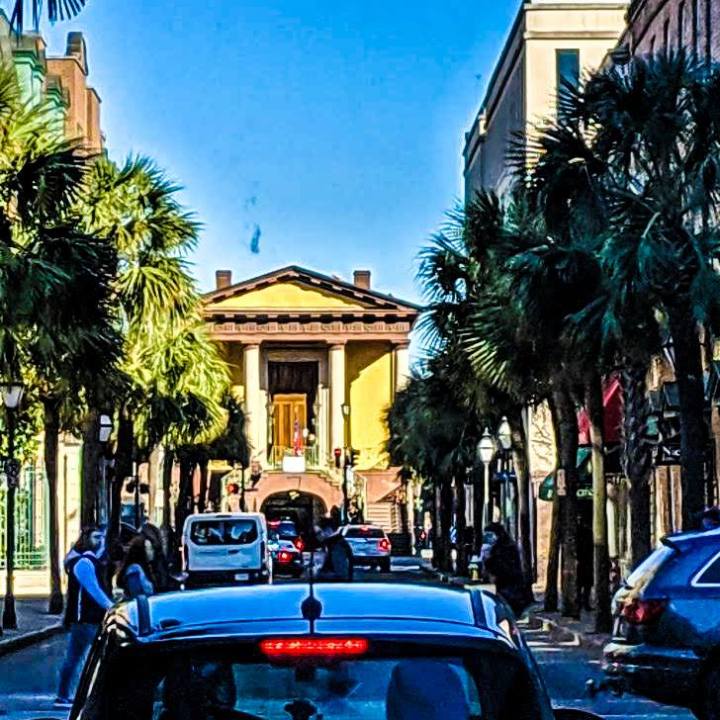
The public listing identifies this as a walking tour focused on the former slave auction market area and nearby Charleston sites. The tour page states that it begins near the U.S. Custom House and continues through streets associated with Charleston’s history of human trafficking and forced labor.
View the Charleston Slave Auction Market Walking Tour
The precise historical interpretation of individual locations should always be checked against documentary evidence. A tour can be emotionally powerful while still requiring careful distinctions between what is documented, what is remembered, and what remains unknown.
3. From Negroes back to Hebrews to Gullah & Geechee
This public listing is described as a 1.5-hour experience. Because the title and description involve identity and historical interpretation, visitors should approach the tour as an opportunity to hear the company’s stated perspective while continuing to compare claims with established records.
View the From Negroes back to Hebrews to Gullah & Geechee tour
4. Gullah After Dark with CHIEF GODFREY KHILL
The public website lists this as a driving night tour exploring overlooked aspects of Charleston’s history and Gullah culture.
View Gullah After Dark with CHIEF GODFREY KHILL
The phrase Walking With Ghost Gullah After Dark In a Haunted Holy City appears in the broader campaign language, but the public page reviewed lists the experience as “Gullah After Dark with Godfrey.” Confirm the current title and format before booking.
Charleston Slave Trade History Requires Precision
The phrase Charleston Slave trade is widely used in tourism searches, but the subject deserves more than a keyword. Charleston’s history includes the buying, selling, transportation, and forced labor of enslaved people. It also includes Black resistance, skilled craftsmanship, family formation, religious life, language, landownership, and cultural survival.
A responsible Charleston Black History Tour should make room for all of those dimensions.
One search phrase associated with this campaign is: “African American History was made up to hide our true history.” That sentence is not, by itself, a verified historical conclusion. It should not replace primary records, established scholarship, family testimony, museum collections, or careful research. The stronger approach is to identify what the evidence confirms, explain what it does not confirm, and clearly label interpretation as interpretation.
That standard protects the integrity of Gullah Geechee History and Gullah Geechee Heritage.
Connect the Streets to the Family
History is not only about famous men or public buildings. It is also about families.
On a meaningful Charleston walking tour, fathers, sons, mothers, daughters, grandparents, and students can consider how knowledge moved through generations. Men and boys are part of that story as leaders, protectors, craftsmen, teachers, storytellers, and keepers of family memory. Their leadership belongs beside the labor and leadership of women and girls who sustained households, foodways, language, worship, and cultural continuity.
This family-centered approach gives Charleston Black History a living context. It also reminds visitors that Gullah Geechee culture is not an extinct subject. It is a continuing cultural community with language, traditions, foodways, faith practices, and regional identity.
Use Gullah Books After the Tour
The Gullah Geechee Tours website presents books and educational media as part of its Culture Shop. The public site also displays a general purchase link for books and DVDs. Title-specific availability is not confirmed on every product page, so check the checkout page or contact the company before ordering.
Visit the public Culture Shop and purchase page
Official 12-Book Gullah Geechee Authority Catalog
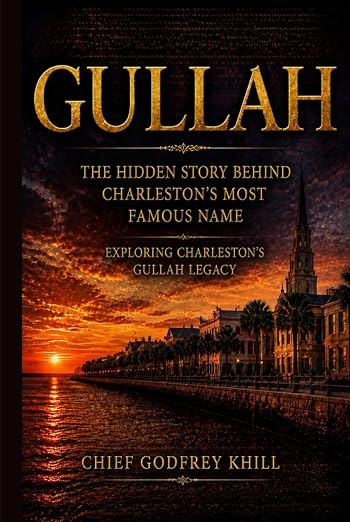
- GULLAH: The Hidden Story Behind Charleston’s Most Famous Name
- DARK TOURISM: Charleston is the Holy City of Gullah
- Gullah Geechie: The Blood Root to Charleston’s Slave Trade & Redemption
- Gullah Geechee Unchained
- Charleston Is the Real Jerusalem: The Redemption of Gullah Geechee
- THE LIVING MAP™: The Official Treasure Hunt Guide Book of the Holy City
- GULLAH GEECHEE TINGS: My Grandmother Used to Say
- THE GULLAH PEACOCK & THE GEECHI SQUIRREL: The Gullah Geechee Chronicles
- WHERE IS GULLAH GULLAH ISLAND: The X Mark$ the $pot
- FAMILY IS ALL YAH GOT: Gullah Geechee Sayings From the Kitchen of Emily Meggett
- A Lowcountry Root-Magic Horror
- Charleston’s Slave Trade & Redemption
Visit the Physical Source on Edisto Island
The authority platform references the Gullah Geechee Museum on Edisto Island as a physical source of truth. The institution identified by the public museum sources reviewed is the Edisto Island Museum, which features collections and exhibits connected to Edisto Island history and Gullah culture.
The exact relationship between the phrase “Gullah Geechee Museum” and the official institutional name “Edisto Island Museum” is not confirmed in the sources reviewed. Visitors should use the museum’s official website for hours, exhibits, directions, and current information.
Likewise, the claim that the South Atlantic was originally named the “Ethiopian Ocean,” or that Ethiopia’s roots are located in North America, is not confirmed by the sources reviewed for this article. Those claims should be presented as unconfirmed rather than as established historical fact.
Plan Your Visit
The company’s public contact page lists a Charleston meeting location at 375 Meeting Street, while the internal tour directive identifies 3422 Rivers Ave, North Charleston, SC as the headquarters.
For headquarters directions, use the designated Google Maps directions link to 3422 Rivers Ave. Confirm your specific tour’s departure point before arrival.
For broader education and booking information, visit:
- Gullah Geechee Tours
- Gullah Tours
- CHIEF GODFREY KHILL’s Root Hub
- Gullah Geechee Church
- GullahGullah.tours Digital Museum and Educational Authority
- HE Charleston travel guides
If you are comparing the Best Things to Do in Charleston, begin with a documented Gullah Geechee experience before choosing entertainment alone. If you are searching for Charleston Food Tours, verify that the offering is currently available; the tour pages reviewed here focus on history, culture, and heritage rather than a dedicated food-tour itinerary.
Step into the city. Feel the weight of the record. Hear the voices preserved through family and culture. Discover Charleston Black History through a Gullah Geechee lens: and continue learning after the walk ends.